


Dancers at Risk: The Most Common Spinal & Upper Limb Injuries in Performing Arts

Lauren Fekete
Physiotherapist
- 29 January, 2026
- Upper Limb Injuries
- Spinal Injuries
- Injury Prevention
- Dance & Performing Arts Medicine
- 7 min read
While the lower limb is one of the most common areas that dancers and performers report injuries (1,2,3,4,5,7), the upper limb and spine play a far greater role than many people realise.
Art forms such as breakdancing, circus, playing musical instruments, as well as lifting partners in ballet, contemporary, and figure skating, require a high degree of upper limb use. This can lead to repetitive strain around the spine, neck, shoulder, and hand/wrist (6, 9, 10, 11, 17). When these demands are repeated under fatigue, high training loads, or technical pressure, the risk of injury increases.
Any pain or restriction in the spine, shoulder, elbow or wrist can affect technique, musicality, partnering ability and overall performance quality. Left unaddressed, these issues may progress from mild discomfort to persistent injury that limits training and stage work.
In this blog, we will explore the most common upper limb injuries seen in dance and performing arts. We will break the upper limb and spine into key regions, explaining how each area is involved in performance, and the types of injuries that can occur. Understanding where injuries happen and why is an important first step toward effective management and prevention.
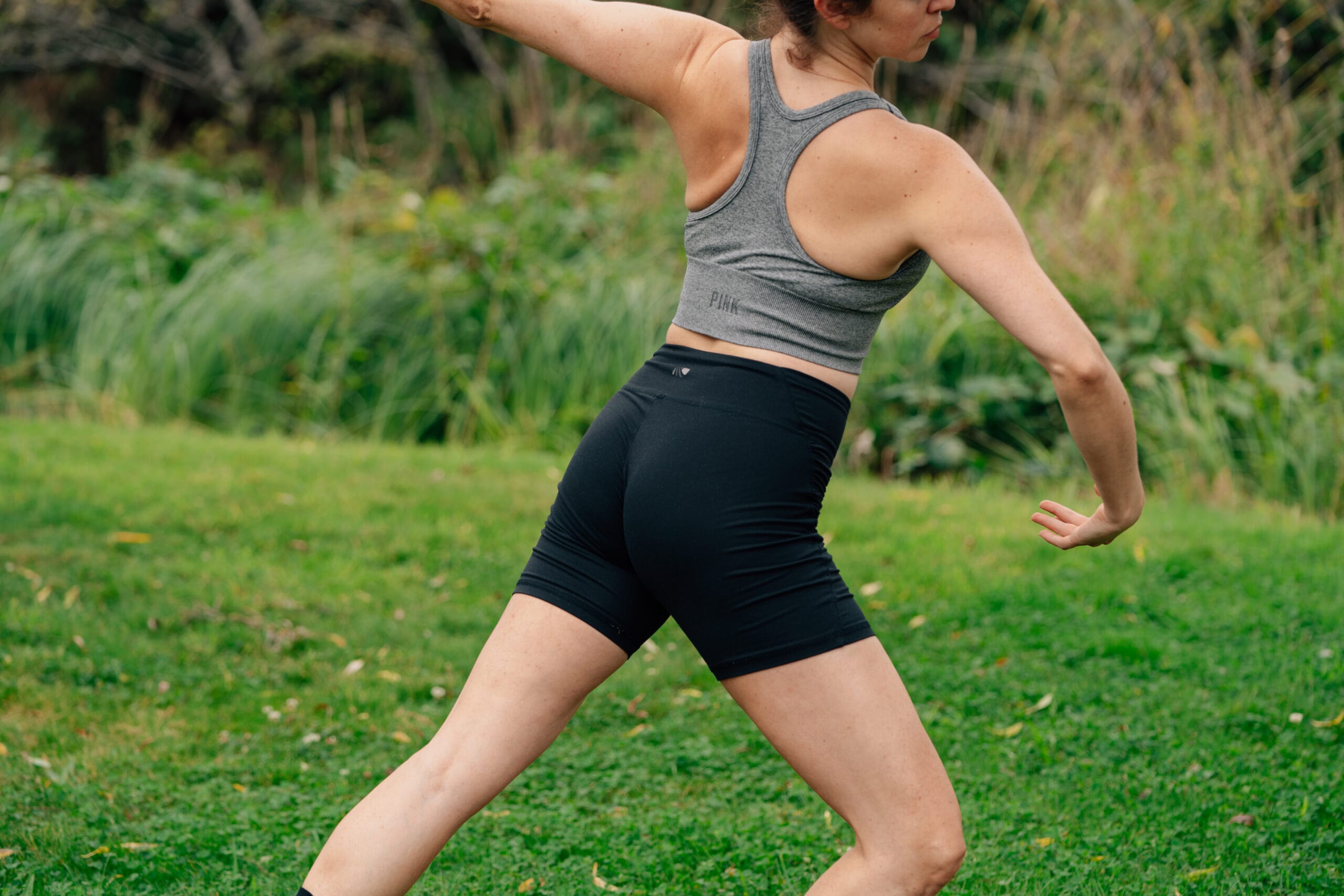
Common Spinal Injuries:
Due to the nature of performance repertoire often placing high emphasis on repetitive hyperextension and flexion of the back, the spine can also be a common area for pain and overload (7).
Performing arts that involve frequent and repetitive spinal extension (ballet, contemporary, belly dance, flamenco, circus, gymnastics, figure skating, etc.) can have a higher risk of stress responses in the spine (9), including:
- Spondylolysis : Spondylolysis refers to a stress fracture, or cumulative overload out with what the bony tissue can manage, of a region of the spinal vertebrae known as the ‘pars interarticularis.’
As with any stress fracture, risk can often be underpinned by muscle imbalance, overload, nutritional deficits, and lack of rest. Unfortunately, detecting stress fractures in the spine is more difficult than in superficial structures like the bones of the foot, and can mimic symptoms of muscular pain.
If a stress fracture or bony stress response is suspected, it is important to acquire imaging such as an MRI to assist with diagnosis.
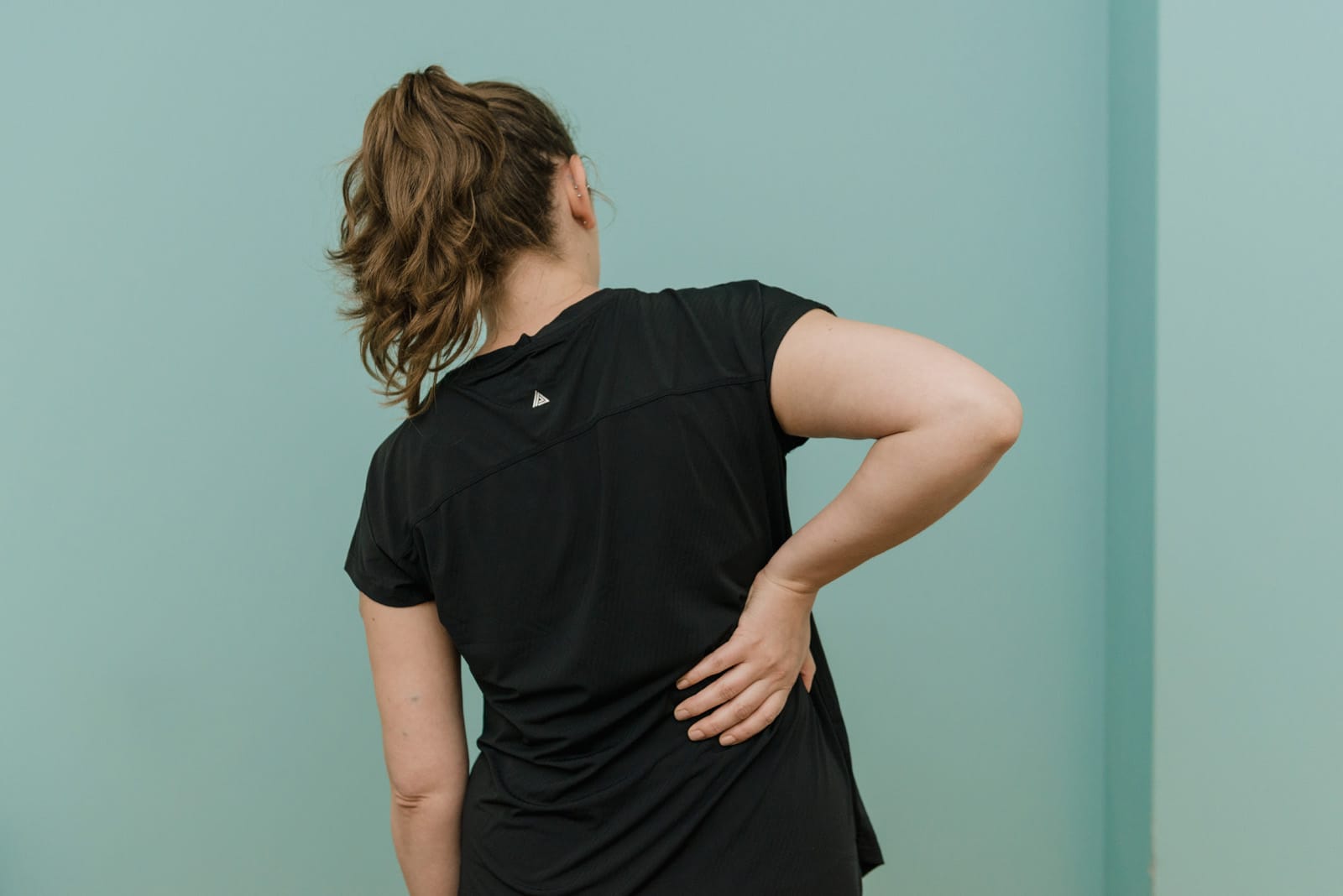
Common Neck Injuries:
Muscular strains
The neck is an area that is often overlooked and often excluded from targeted strengthening programs, yet many dance and performing arts forms require diverse neck movement and loading.
Disciplines such as breakdancing and circus arts, place significant mechanical load through the neck, whilst vocal performers may be exposed to repetitive strain of the muscles of the larynx (or voicebox).
As a result, muscles including the upper trapezius, sternocleidomastoid, scalenes, cricothyroid and suprahyoid muscles are susceptible to overuse and muscle spasm.
Dancers and performers can find difficulty rotating the neck, stiffness and reduced range of motion, hoarse voice, and sometimes associated headaches.
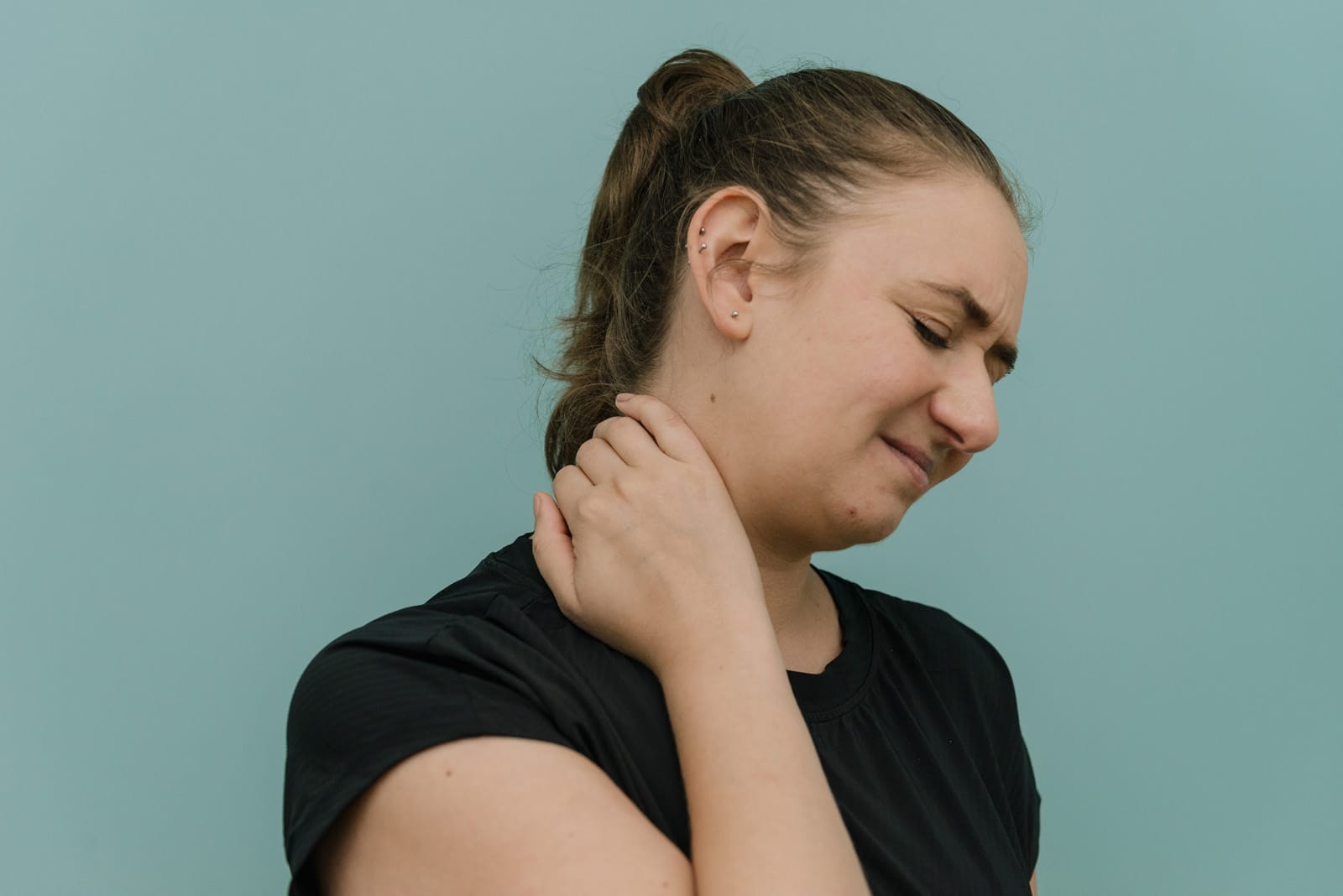
Common Shoulder Injuries:
Rotator cuff related pain
The rotator cuff is a set of four muscles that work together to dynamically centralise the head of the upper arm bone (humerus) within the socket (glenoid cavity).
As the shoulder is a highly flexible joint, it relies heavily on both the surrounding ligaments and muscles for stability. Those with higher degrees of mobility around the shoulder or a previous history of dislocations, will often need increased focus on rotator cuff strengthening.
Often symptoms of rotator cuff related pain come on gradually and can cause discomfort, achiness, and sometimes sharp pain from the shoulder and upper arm, occasionally referring down toward the elbow.
Symptoms such as painful clunking, extreme weakness or inability to raise the arm, or pain that comes on after trauma or falling are signs that there could be a higher degree of tissue damage and a consultation from a Sport & Exercise Medicine (SEM) doctor for opinion and imaging would be helpful in differentiating diagnoses.
Performers that practice flamenco, aerial silks, ballet, ice skating, breakdancing, circus, gymnastics, lifting, and playing a musical instrument can be prone to shoulder overuse and injuries.
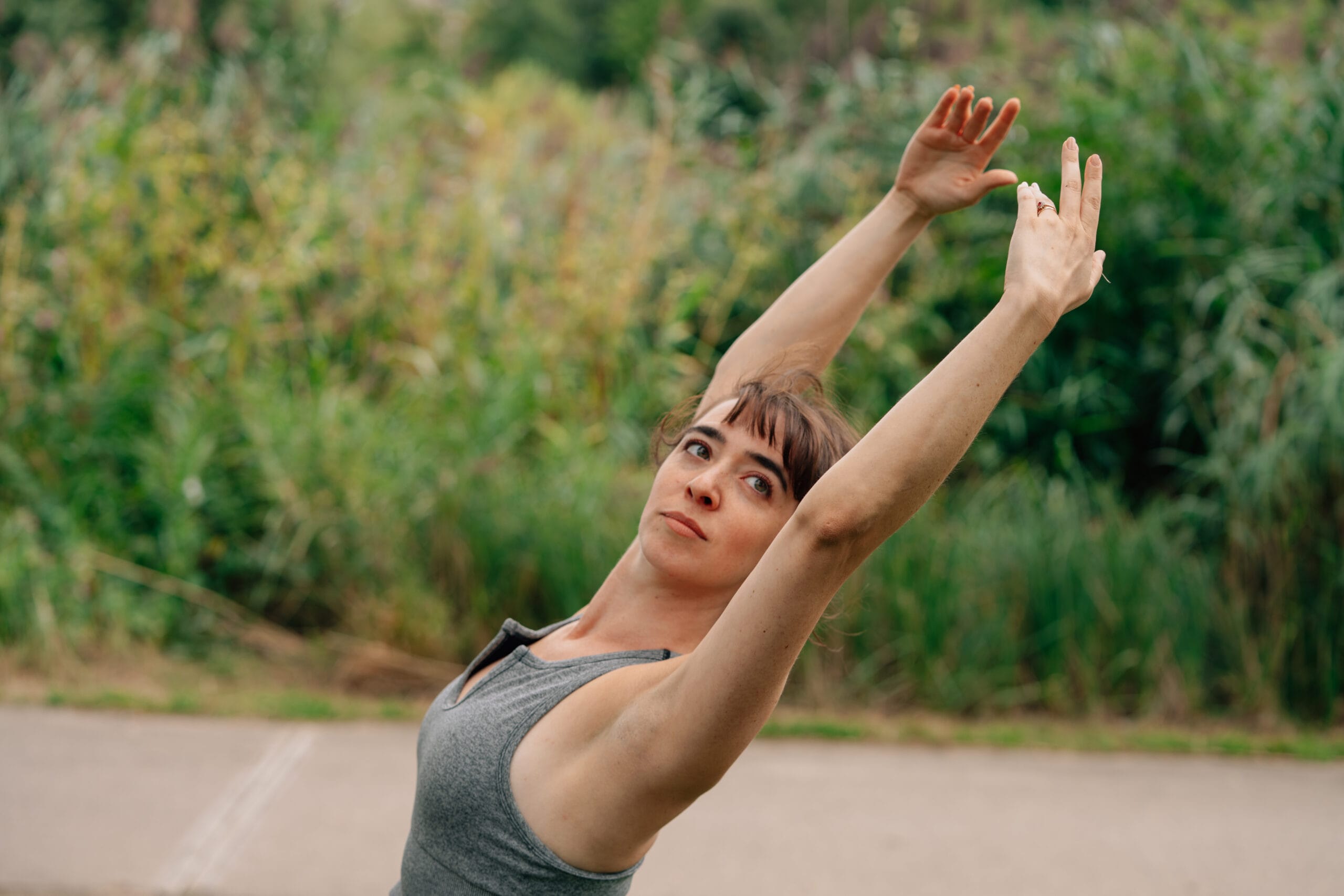
Common Hand & Wrist Injuries:
De Quervain’s Tenosynovitis
Named after the person who discovered it, De Quervain’s ‘syndrome’ is essentially an inflammation or irritation of the ‘sheath’ and ‘paratenon’ that encapsulates two main tendons around the thumb and side of the wrist/forearm, known as the EPL (Extensor Pollicis Longus) and the APB (Abductor Pollicis Brevis).
Performers can find moving the thumb painful and gripping/holding objects difficult. This can occur due to repetitive overload as when gripping continuously or too hard, or utilising the thumb extensively or in an inefficient manner (as can be done when playing musical instruments like bass, guitar, piano; breakdancing; aerial silks; or gymnastics), or when repetitively lifting without enough strength present in the shoulders and proximal muscles.
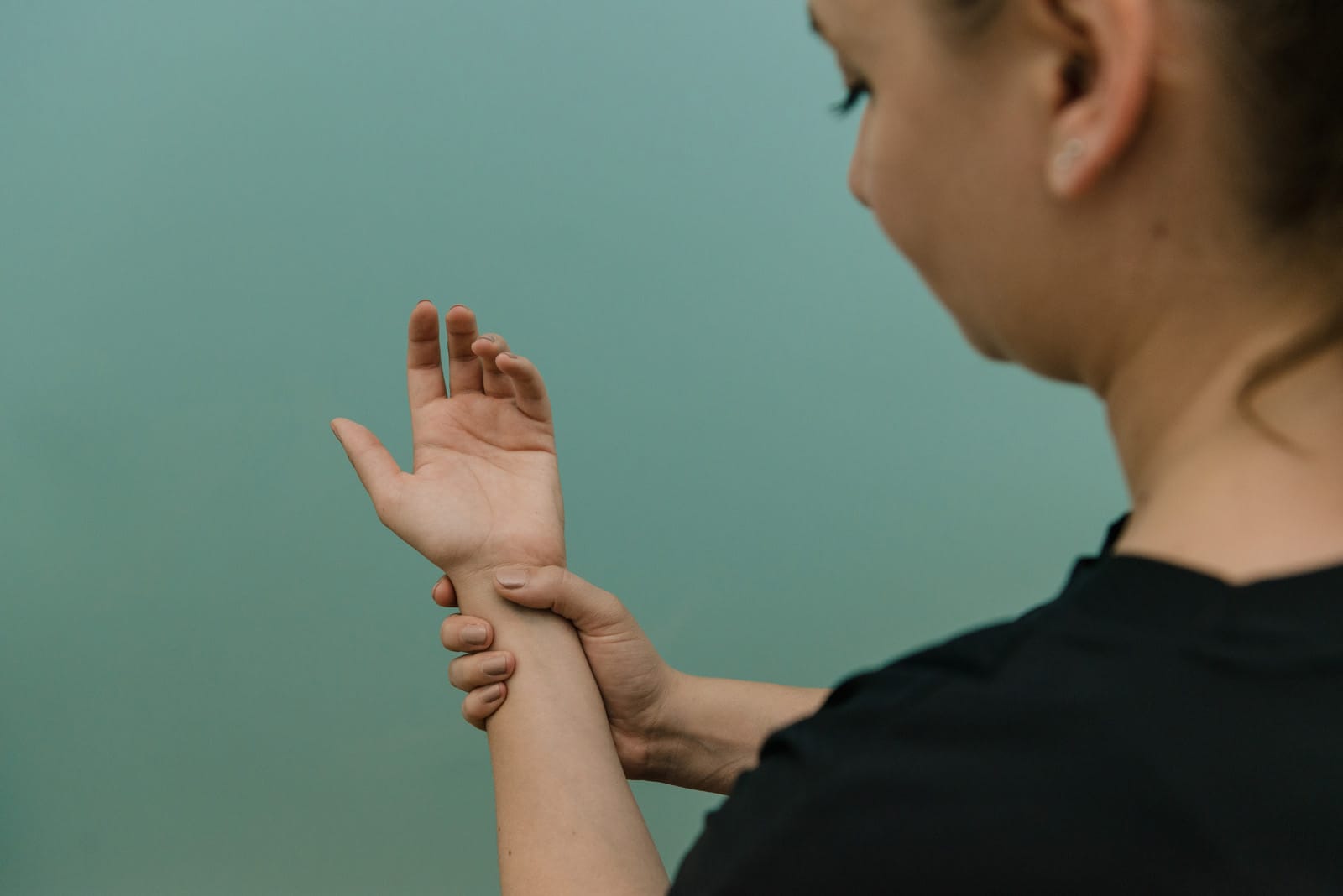
Carpal Tunnel Syndrome
The carpal tunnel is a passage in the wrist that several structures, including the median nerve, run through.
Due to the passageway being somewhat narrow, mechanical overuse or irritation of surrounding tendons can occur from activities like repetitive gripping (from lifting partners, playing musical instruments, aerial silks, or pole), or weight-bearing on hands (i.e. breakdancing power moves).
Other systemic underlying causes can also provoke carpal tunnel syndrome including thyroid issues, pregnancy, and rheumatoid arthritis.
Symptoms often include tingling in the thumb, index or ring finger that can travel up the forearm; weakness of grip strength (sometimes clumsiness); and worsening discomfort at night.
Benign Joint Hypermobility Syndrome (BJHS) & Hypermobility Spectrum Disorder (HSD):
Finally, though this does not apply to all performing artists, sometimes the specific ‘types’ of bodies that are drawn to and match aesthetic demands of dance and the performing arts are those with a higher degree of connective tissue extensibility than average (12, 16).
Previously just known as ‘hypermobility’ or ‘joint hypermobility syndrome,’ it is now understood that many of those with hypermobile joints can have clusters of other associated symptoms that are not solely musculoskeletal in nature, most commonly including symptoms related to blood pressure disorders, gastrointestinal issues, heightened allergy response, and mental health (12, 13, 14, 15, 18, 19).
Though artists with heightened joint mobility can produce beautiful aesthetic ‘lines,’ increased mobility often equates to reduced stability, resulting in higher risk of injury (12, 16). This topic will be covered more in-depth in another article.
Injury Prevention tips:
Recognising these injuries is only part of the picture.
Just as important is understanding how they develop and what can be done to reduce risk. Many upper limb injuries in dance are linked to load management, technique, strength imbalances, and insufficient recovery – all factors that can be addressed with the right support.
As with lower limb injuries, many of the above conditions can be prevented or resolved with initial reduction to the load on the tissue in question through relative rest (reduction or modification of specific classes, movements, rehearsal volume, etc.), increasing the capacity and resilience of the tissue (through strengthening, nutritional fuelling, etc.), and optimising biomechanical movement patterns through consultation with a physiotherapist.
We also have several specialist hand/wrist physiotherapists on our team for support. For certain conditions, a corticosteroid injection may be a useful adjunct to treatment to help reduce inflammation and pain and provide a window in which to engage in rehabilitation. More invasive treatment options such as injections can be prescribed and carried out by Sport, Exercise, and Musculoskeletal Medicine doctors, as we have on our team here at Pure Sports Medicine.
Always remember, when dealing with symptoms such as ‘pins and needles’ or ‘numbness;’ progressive weakness; clumsiness in the arms or legs; headaches that are severe or associated with dizziness or blurred vision; or night pain, seeking an opinion from a healthcare specialist is advised in order to differentiate the origin of symptoms and rule out any more serious non-musculoskeletal pathology.
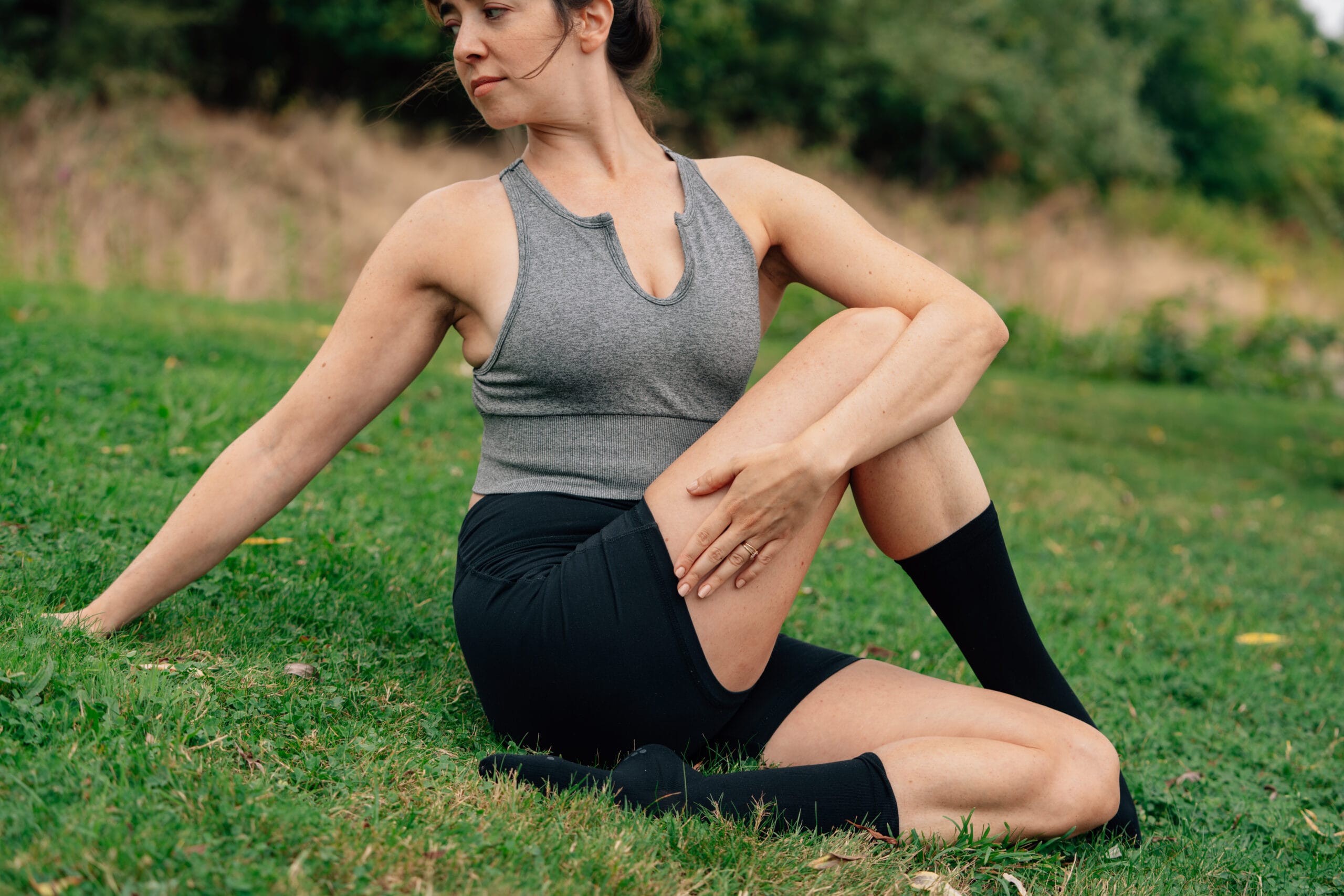
In dance and the performing arts, the upper body and spine play a vital role.
From expressive aesthetic lines and intricate hand gestures, to partnering, lifts and supporting body weight, these demands require a high level of strength, control, flexibility and endurance, and when combined with repetition and load, can increase the risk of injury.
However, upper limb injuries do not need to be an inevitable part of a dancer’s career. With early assessment, tailored rehabilitation and proactive injury-prevention strategies, dancers and performers can continue to train, perform and progress with confidence.
If you are experiencing upper limb pain, or want support with injury prevention and performance optimisation, our multidisciplinary Dance & Performing Arts Medicine team is here to help.
Get in touch to book an assessment or speak with a member of our team about tailored care for dancers and performing artists.
References:
1. N. Allen, A. Nevill, J. Brooks, Y. Koutedakis, M. Wyon. Ballet injuries: injury incidence and severity over 1 year. J. Orthop. Sports Phys. Ther., 42 (2012), pp. 781-790
2. C.L. Ekegren, R. Quested, A. Brodrick. Injuries in pre-professional ballet dancers: Incidence, characteristics and consequences. J. Sci. Med. Sport, 17 (2014), pp. 271-275
3. T.O. Smith, L. Davies, A. de Medici, A. Hakim, F. Haddad, A. Macgregor. Prevalence and profile of musculoskeletal injuries in ballet dancers: A systematic review and meta-analysis. Phys. Ther. Sport, 19 (2016), pp. 50-56
4. Diana P A M van Winden, Rogier M Van Rijn, Angelo Richardson, Geert J P Savelsbergh, Raôul R D Oudejans, Janine H Stubbe – Detailed injury epidemiology in contemporary dance: a 1-year prospective study of 134 students: BMJ Open Sport & Exercise Medicine 2019;5:e000453.
5. Nancy J. Kadel, Foot and Ankle Injuries in Dance, Physical Medicine and Rehabilitation Clinics of North America, Volume 17, Issue 4, 2006, Pages 813-826, ISSN 1047-9651, https://doi.org/10.1016/j.pmr.2006.06.006.
6. Senah E. Stephens, Joshua F. Edwards, Lisa K. Cannada, Dance-related fractures occur in the upper and lower extremities at similar rates: An analysis of the 2004-2023 National Electronic Injury Surveillance System database, Journal of ISAKOS, Volume 12, 2025,100853, ISSN 2059-7754, https://doi.org/10.1016/j.jisako.2025.100853.
7. Varsha Ivanova, Nicholas W. Todd, Jesse Yurgelon, Dance-Related Foot and Ankle Injuries and Pathologies, Clinics in Podiatric Medicine and Surgery, Volume 40, Issue 1, 2023, Pages 193-207, ISSN 0891-8422, ISBN 9780323986939, https://doi.org/10.1016/j.cpm.2022.07.013.
8. Kadel NJ, Teitz CC, Kronmal RA. Stress fractures in ballet dancers. The American Journal of Sports Medicine. 1992;20(4):445-449. doi:10.1177/036354659202000414
9. Munro D. Injury patterns and rates amongst students at the national institute of circus arts: an observational study. Med Probl Perform Art. 2014 Dec;29(4):235-40. doi: 10.21091/mppa.2014.4046. PMID: 25433261.
10. Han JS, Geminiani ET, Micheli LJ. Epidemiology of Figure Skating Injuries: A Review of the Literature. Sports Health. 2018 Nov/Dec;10(6):532-537. doi: 10.1177/1941738118774769. Epub 2018 May 8. PMID: 29738281; PMCID: PMC6204632.
11. Cho CH, Song KS, Min BW, Lee SM, Chang HW, Eum DS. Musculoskeletal injuries in break-dancers. Injury. 2009 Nov;40(11):1207-11. doi: 10.1016/j.injury.2009.05.019. Epub 2009 Jun 21. PMID: 19540489.
12. Day, Helen & Koutedakis, Yiannis & Wyon, Matthew. (2011). Hypermobility and Dance: A Review. International journal of sports medicine. 32. 485-9. 10.1055/s-0031-1273690.
13. Pyeritz RE . Heritable disorders of connective tissue . In: Klippel JH, Croff ord LJ, Stone JH, Weyand CM (eds). Primer on Rheumatic Diseases . Atlanta, Georgia: Arthritis Foundation ; 2001 ; 483 – 49.
14. Matthew Farley, Ricardo J. Estrada-Mendizabal, Emily A. Gansert, Dayne Voelker, Lisa A. Marks, Alexei Gonzalez-Estrada, Prevalence of mast cell activation disorders and hereditary alpha tryptasemia among patients with postural orthostatic tachycardia syndrome and Ehlers-Danlos syndrome: A systematic review, Annals of Allergy, Asthma & Immunology, 10.1016/j.anai.2025.03.022, 135, 1, (97-102), (2025).
15. Bravo JF , Wolff C . Clinical study of hereditary disorders of connective tissues in a Chilean population . Arthritis Rheum 2006 ; 54 : 515 – 523
16. Briggs J , McCormack M , Hakim AJ , Grahame R . Injury and joint hyper-mobility syndrome in ballet dancers – a 5-year follow-up . Rheumato-logy 2009 ; 48 : 1613 – 161
17. Richard A. Hoppmann, Nicholas A. Patrone, A review of musculoskeletal problems in instrumental musicians, Seminars in Arthritis and Rheumatism, Volume 19, Issue 2,1989, Pages 117-126, ISSN 0049-0172, https://doi.org/10.1016/0049-0172(89)90056-5.
18. Nicholson LL, Simmonds J, Pacey V, De Wandele I, Rombaut L, Williams CM, Chan C. International Perspectives on Joint Hypermobility: A Synthesis of Current Science to Guide Clinical and Research Directions. J Clin Rheumatol. 2022 Sep 1;28(6):314-320. doi: 10.1097/RHU.0000000000001864. Epub 2022 Jun 3. PMID: 35661088; PMCID: PMC9422750.
19. Alomari M, Hitawala A, Chadalavada P, Covut F, Al Momani L, Khazaaleh S, Gosai F, Al Ashi S, Abushahin A, Schneider A. Prevalence and Predictors of Gastrointestinal Dysmotility in Patients with Hypermobile Ehlers-Danlos Syndrome: A Tertiary Care Center Experience. Cureus. 2020 Apr 29;12(4):e7881. doi: 10.7759/cureus.7881. PMID: 32489735; PMCID: PMC7255528.
Related Posts

Advice
Over the last 20+ years our experts have helped more than 100,000 patients, but we don’t stop there. We also like to share our knowledge and insight to help people lead healthier lives, and here you will find our extensive library of advice on a variety of topics to help you do the same.
OUR ADVICE HUBS See all Advice Hubs