Book a free 15-minute consultation. We’ll help you understand what may be causing the pain and provide the guidance you need to get you back to your best.
"*" indicates required fields
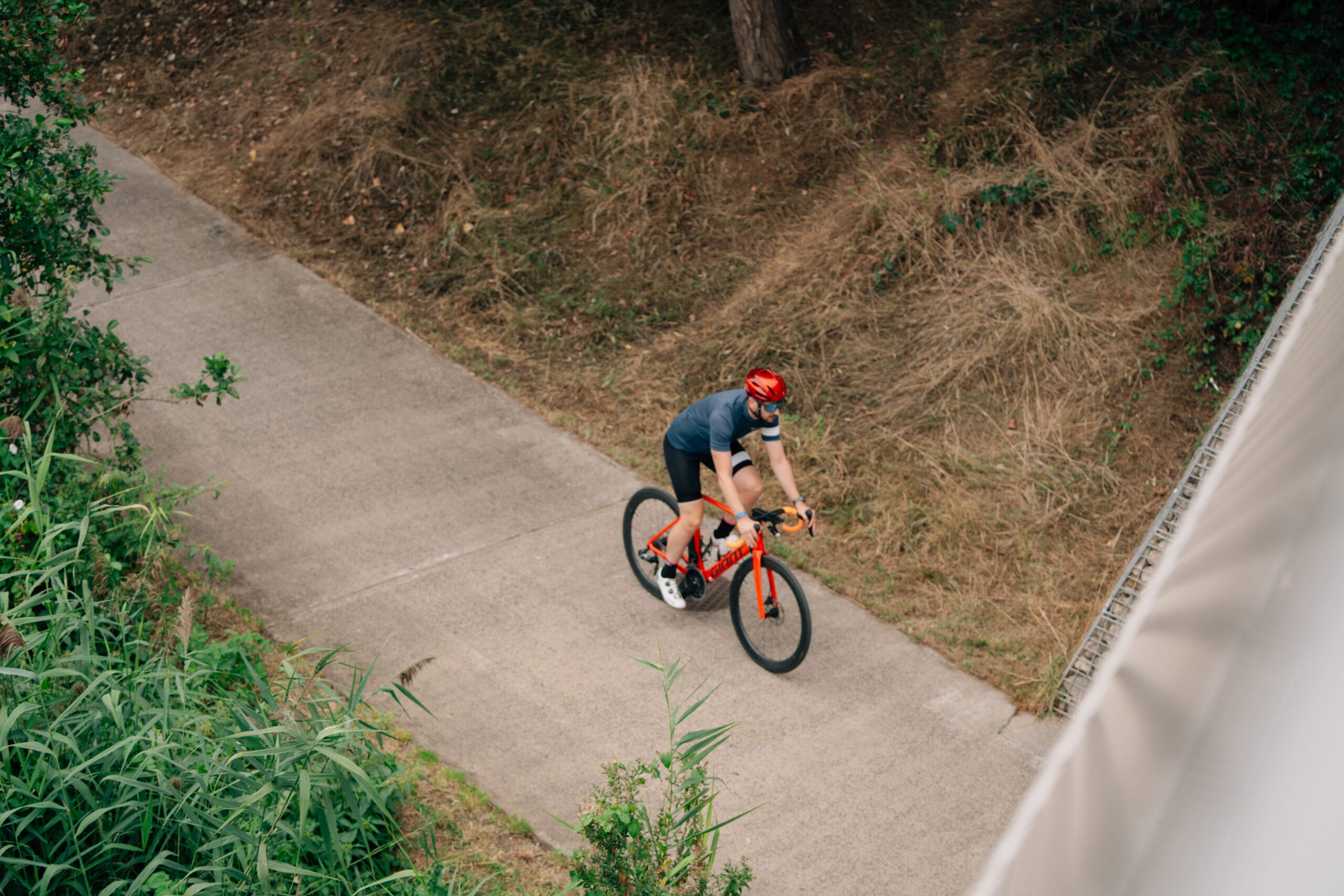
Find out everything you need to know about cycling. From buying the right bike, to fitting it, to event training, our experts can help you get the most out of cycling.
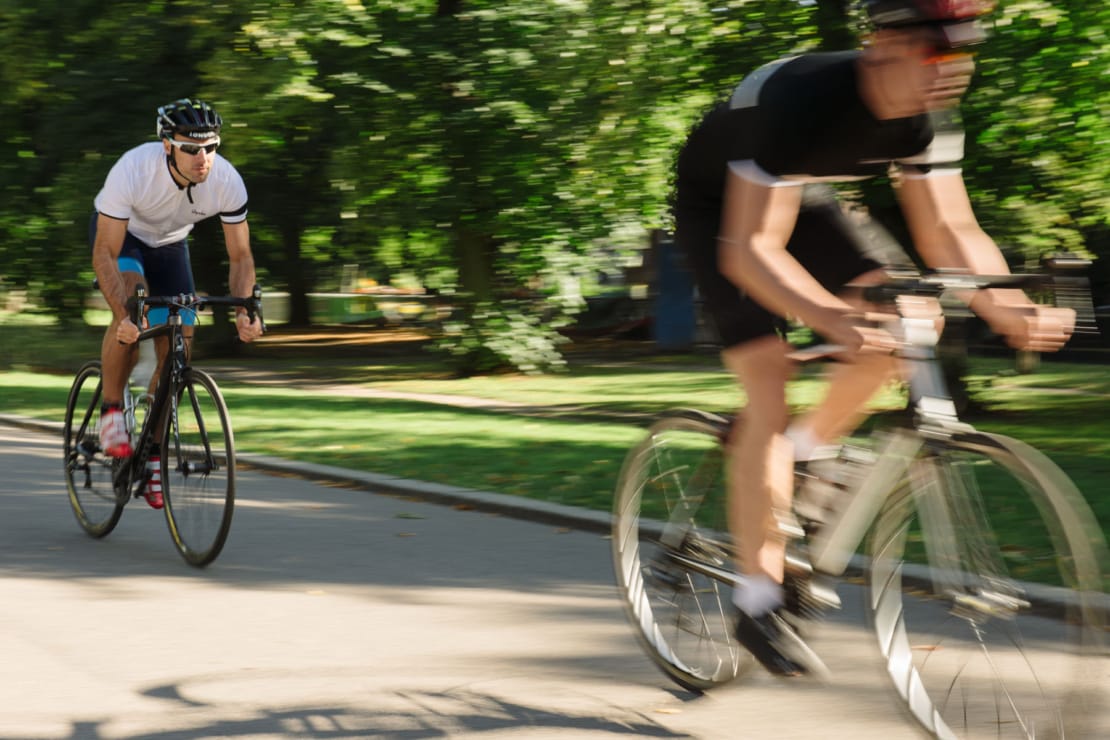
Cycling is a hugely popular activity, and with the associated health benefits, it’s no surprise that it is. From cycling advice for beginners to cycle nutrition advice, we’ve got you covered.
Being a mode of transport as well as a sport, cycling appeals to a wide range of people.
This hub is for cycling lovers of all stages. Whether you’re looking to buy your first bike or getting ready for an endurance race and want to enhance your training strategies, we have tips, advice and an expert team of clinicians to help you get the most out of your bike and your body.
Our Bike Fitters and wider team are all keen cyclists, triathletes and Ironman champions themselves, so they clearly know their stuff!
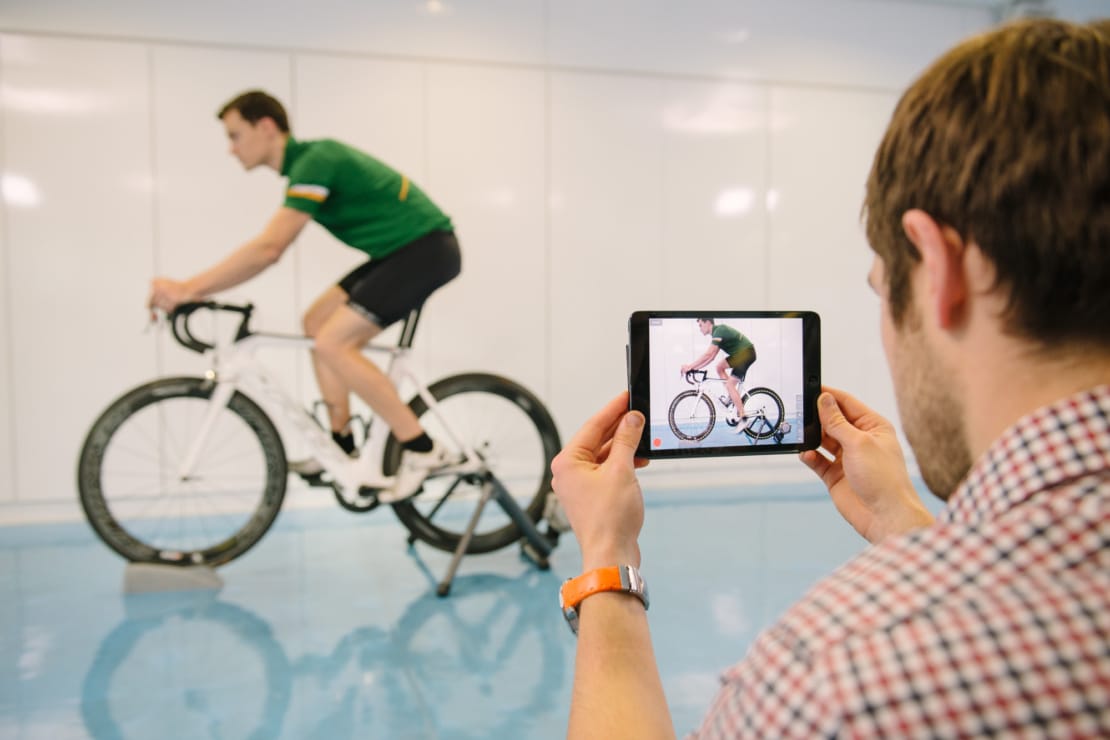
Clinical Bike Fit AssessmentIf you’re getting your first bike, upgrading, or just a regular cyclist, your bike fit needs to be spot on to be comfortable and prevent injury. A bike fit will also help you to find your best position to optimise your performance. You can, of course, buy a bike and start cycling without one. However, skipping this step increases your chances of developing problems when you start increasing mileage, such as cycling injuries in your groin, knee or Achilles tendon. Find out how to select the right bike for you.
Read more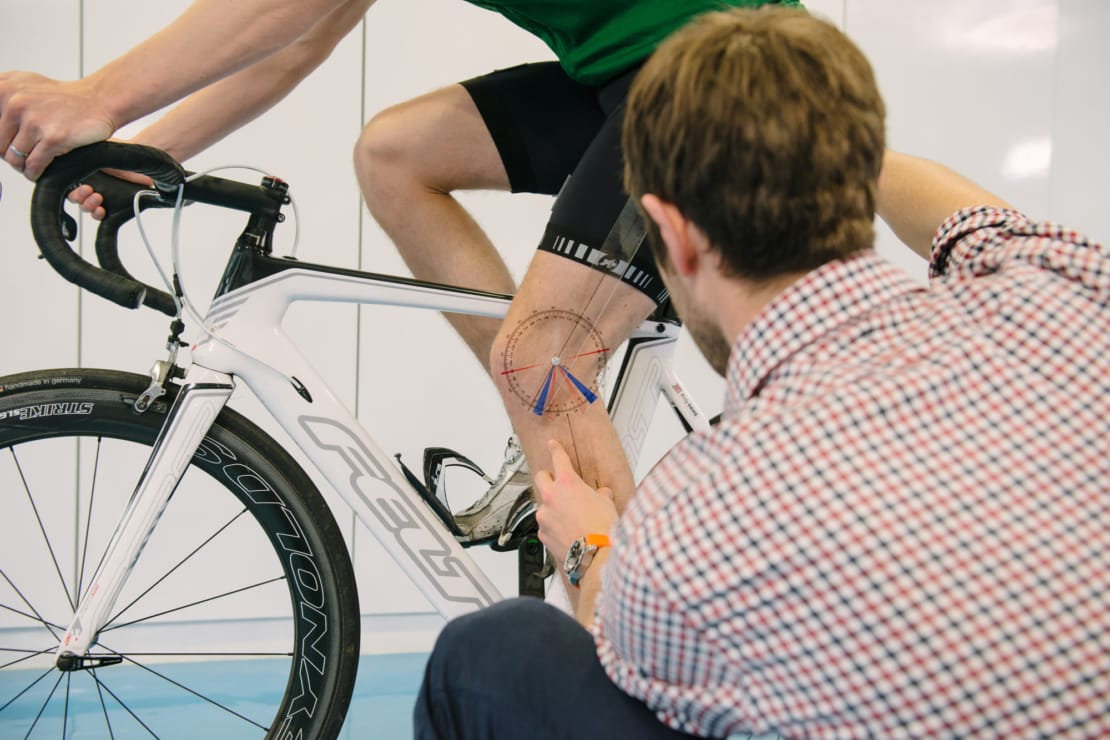
Get in touch below or keep scrolling to read more.
Make a booking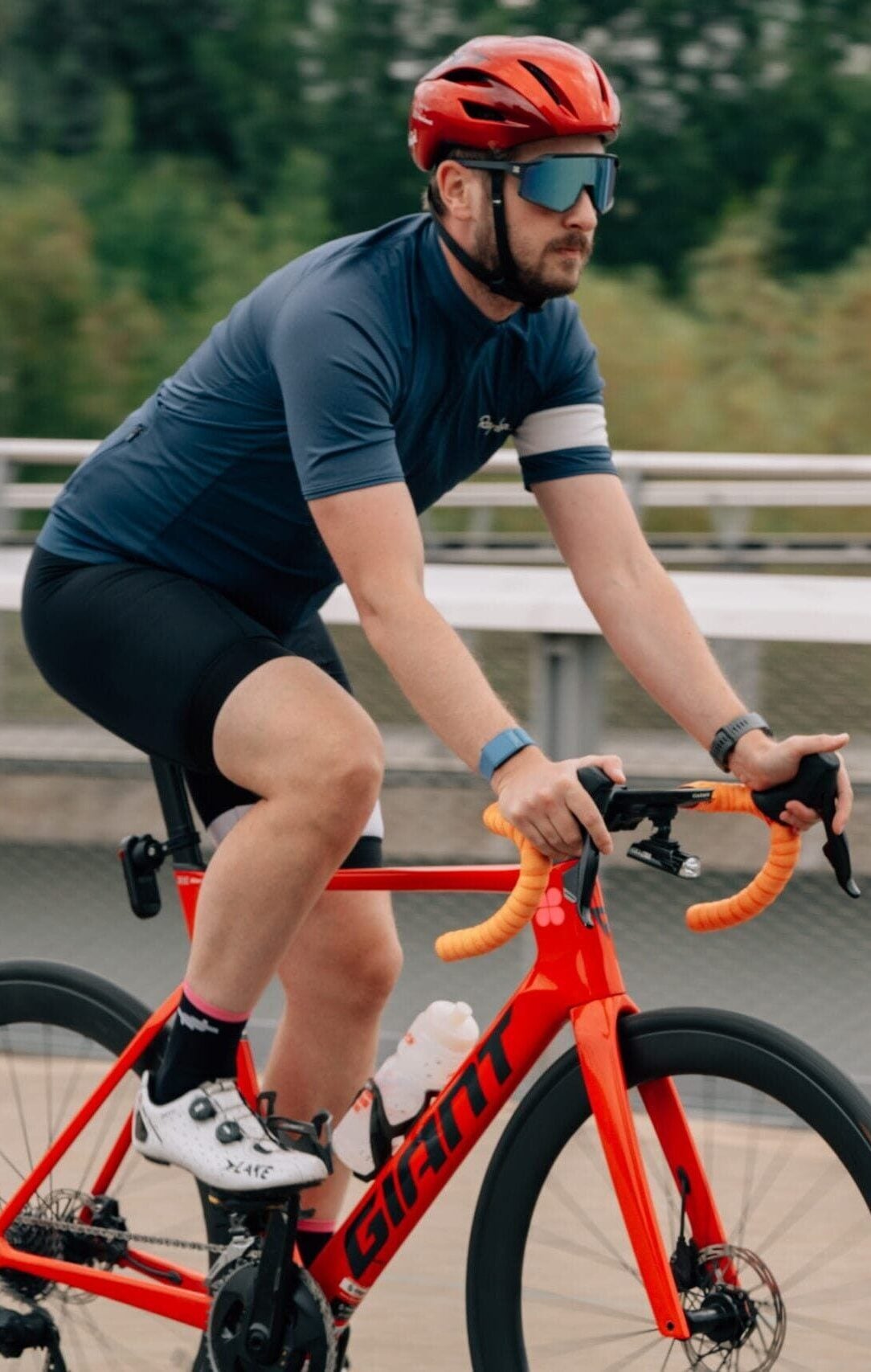
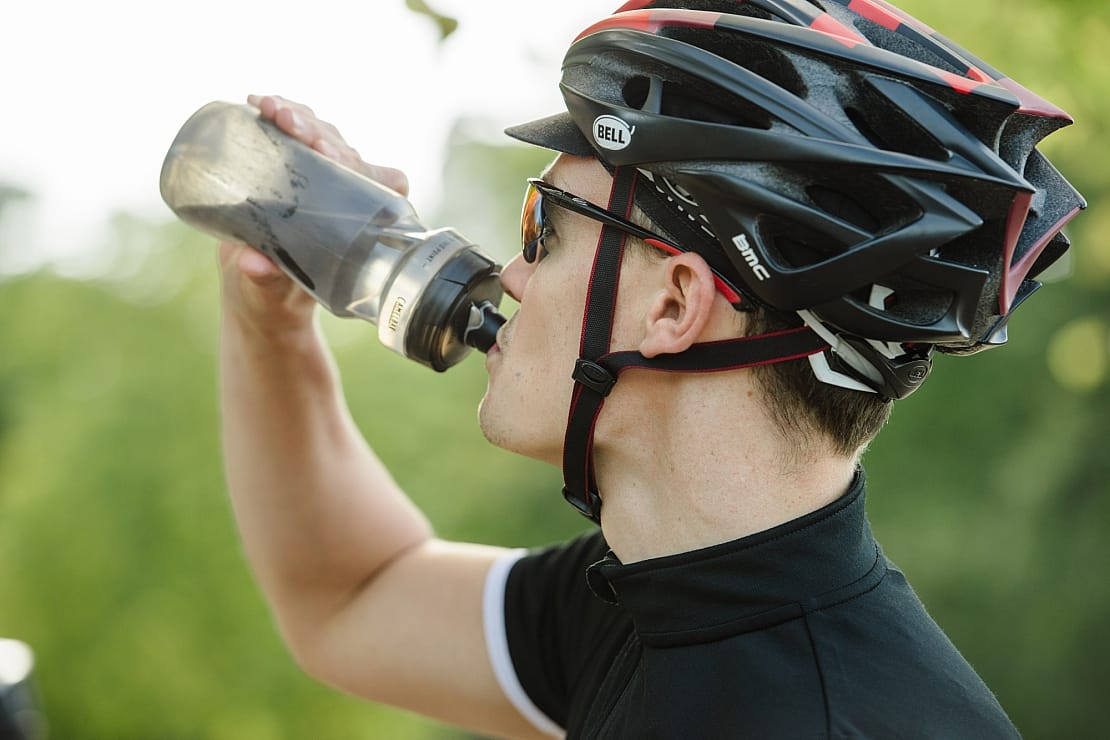
This advanced assessment measures how efficiently your body performs under pressure, helping identify your ideal training zones to improve endurance, power, and race performance. Using real-time lactate analysis and performance data, our specialists create tailored insights to help you train smarter and delay fatigue.
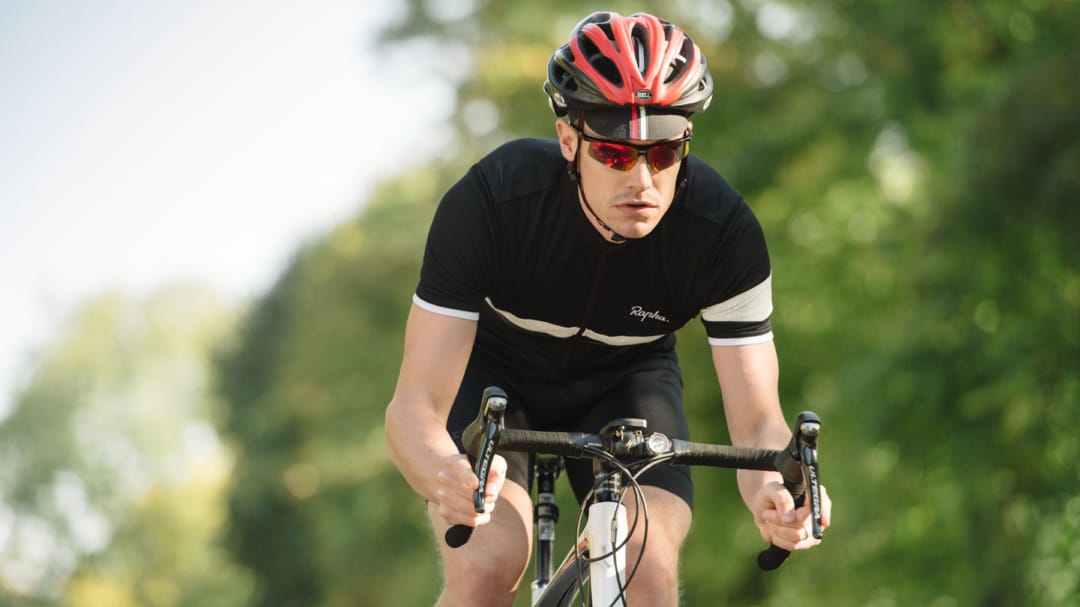
Discover the gold standard in cardiovascular fitness testing with VO₂ max assessment. By measuring how efficiently your body uses oxygen during exercise, this test provides powerful insights into endurance, performance, and long-term health. Whether you’re training for an event or looking to improve your overall fitness and longevity, our expert-led testing helps you train smarter with personalised heart rate zones and data-driven recommendations, helping you to LiveWell.
Find out more
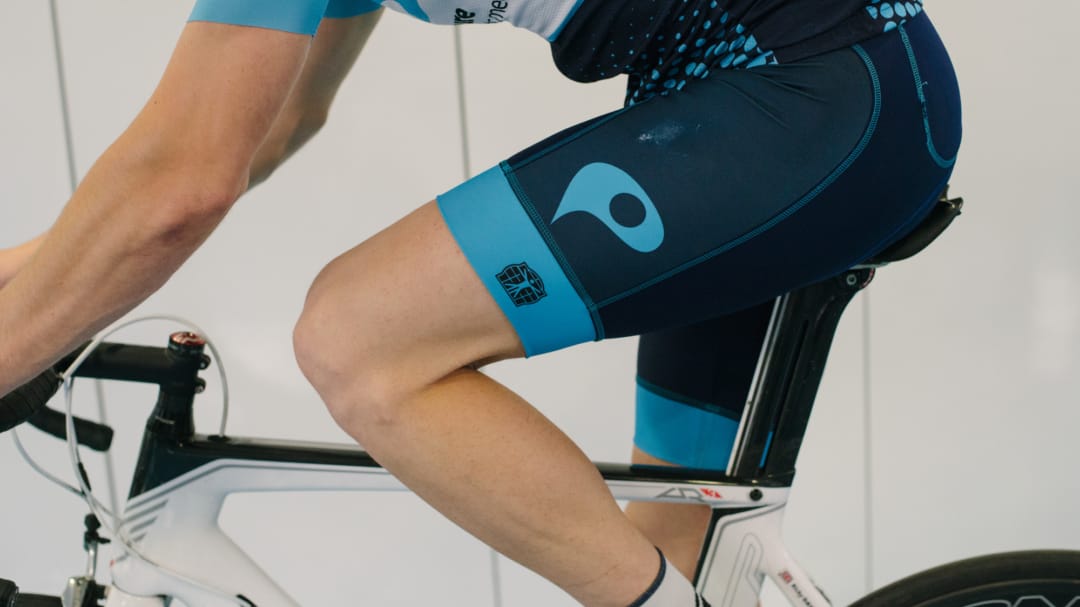
Knee pain is one of the most common injuries among cyclists and is often the reason for missed training days if left untreated. The good news is that many cycling-related knee injuries are preventable with the right approach. Find out how the pros avoid these common injuries with tips from our experts, plus get advice on how to manage these types of injuries when they crop up!
Prolonged periods of sitting have been linked with musculoskeletal dysfunction, especially low back pain and postural issues caused by reduced movement and increased strain on the spine. Both sitting and cycling demand this position, so what can be done to prevent it and keep your body moving efficiently both on and off the bike?
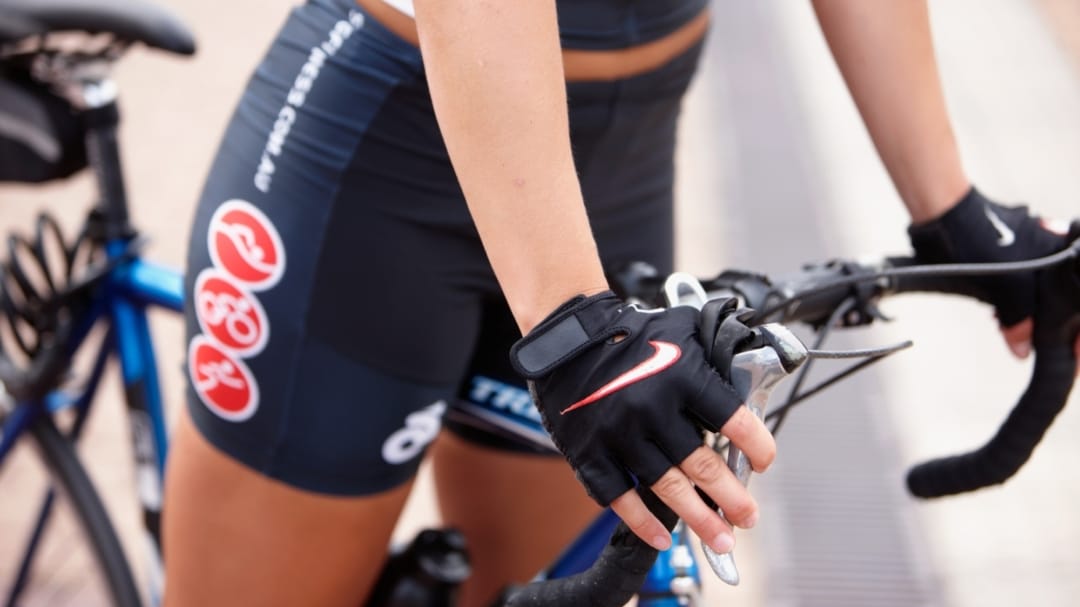
In this blog, we highlight the usual suspects of neck, shoulder, elbow and wrist pain in cyclists. Discover the common signs to look for, from persistent stiffness and numbness to sharp pain and reduced mobility, and expert-recommended changes, such as improving your bike fit and riding posture, to incorporate mobility exercises to resolve them.
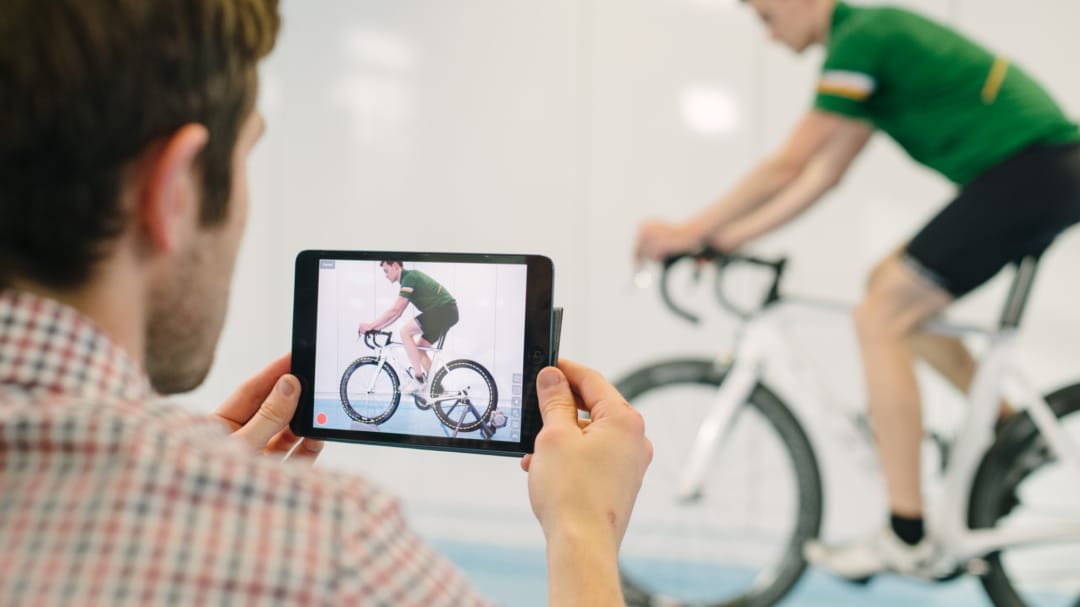
The common question on all cyclists’ lips: Is a bike fit really worth it? A bike fit, or Clinical Cycling Analysis, could take your love of cycling from a 5 to a 10 by transforming not only your comfort on the bike, but also your performance, efficiency, and long-term injury prevention. Your set-up should be as individual as you are if you want to get the most out of cycling and avoid picking up any injuries along the way.
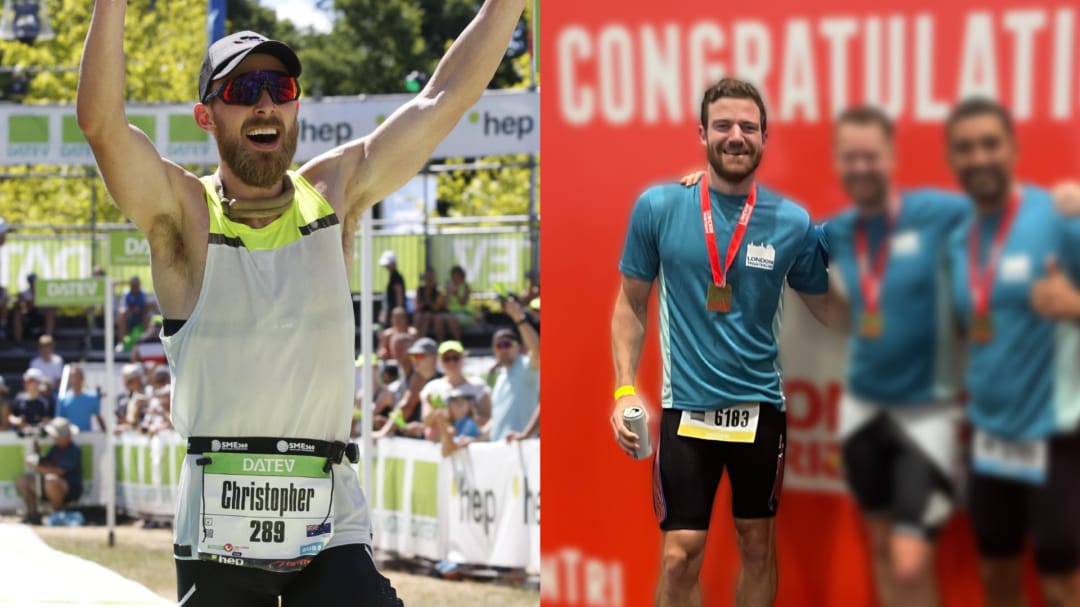
Physiotherapist, Chris Beckmans, and Strength & Conditioning Coach, Andy Page, can’t get enough of Triathlons and Ironman challenges. Find our why they love this sport, what they’ve learned from their experiences and what they’re aiming for next.
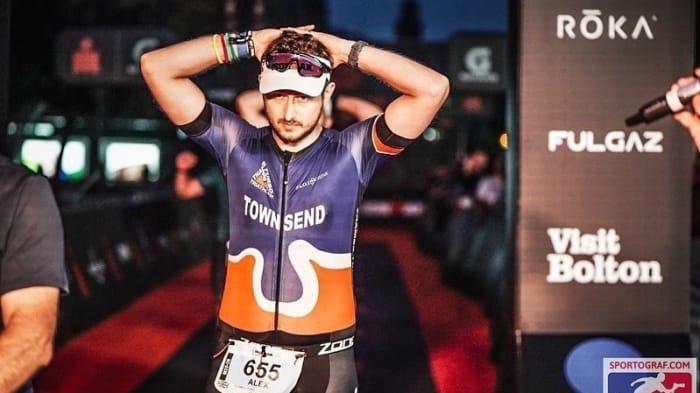
Podiatrist Alex Townsend was taught five key lessons when taking on his first Ironman, and here he shares his insight to help you get a head start should you be doing the same. From pacing and preparation to recovery, mindset, and injury prevention, all are things that every aspiring Ironman athlete can benefit from.
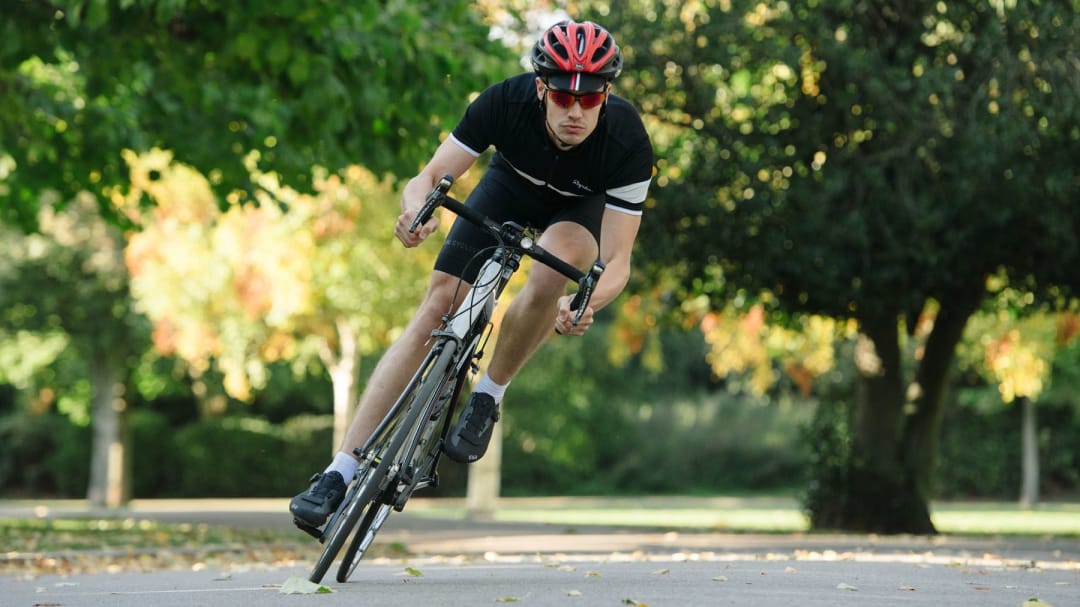
Just because you’re not a professional cyclist doesn’t mean you can’t train like one. In this blog, our experts discuss typical injuries suffered by cyclists, from knee pain and lower back discomfort to neck tension and overuse injuries caused by poor setup or training mistakes, and the top three things you can do to prevent them.
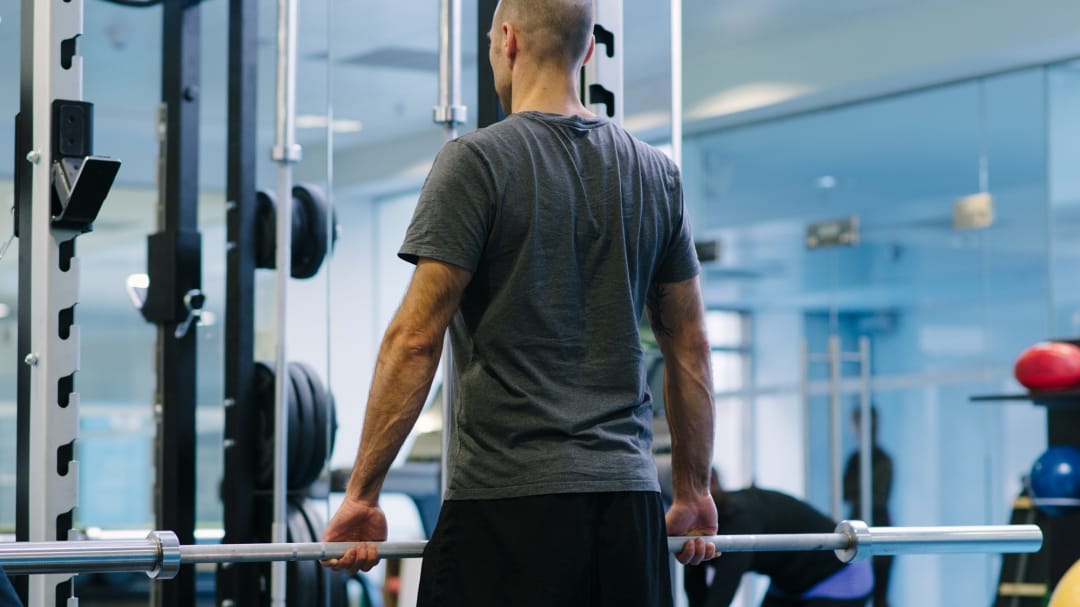
Thinking of signing up for an Ironman, Half Ironman, or Triathlon, but not sure where to start? Strength and Conditioning Coach Andy Page answers some of the most frequently asked questions from aspiring triathletes and endurance athletes.
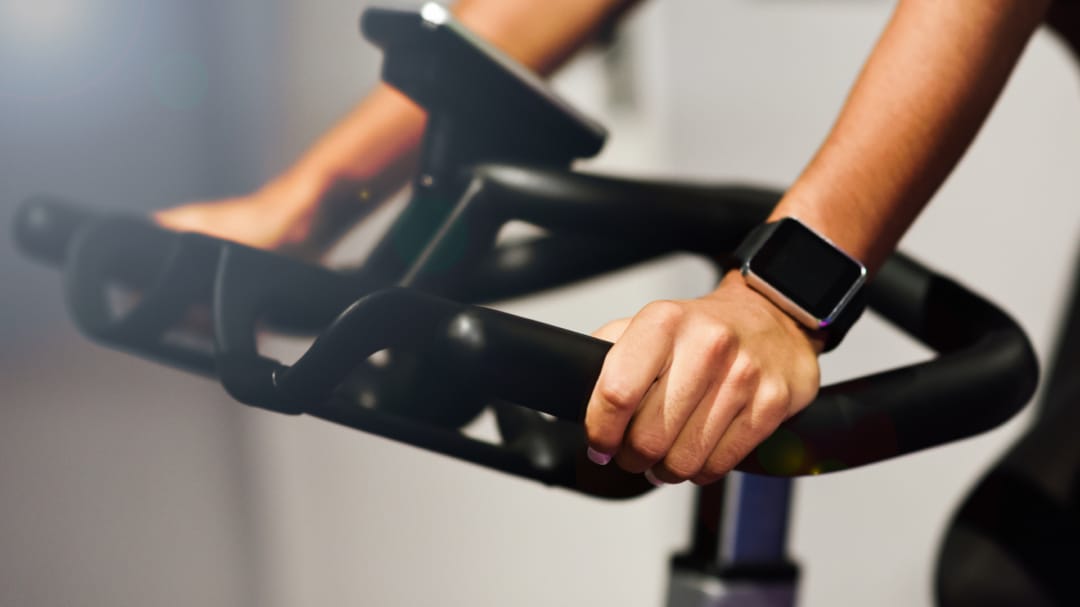
Physiotherapist, Clinical Bike Fitter and cycling enthusiast, Harriet Kefford, takes a break from her road bike to discuss indoor cycling as more and more people are seemingly catching the bug for this adrenaline-pumping, social sport.
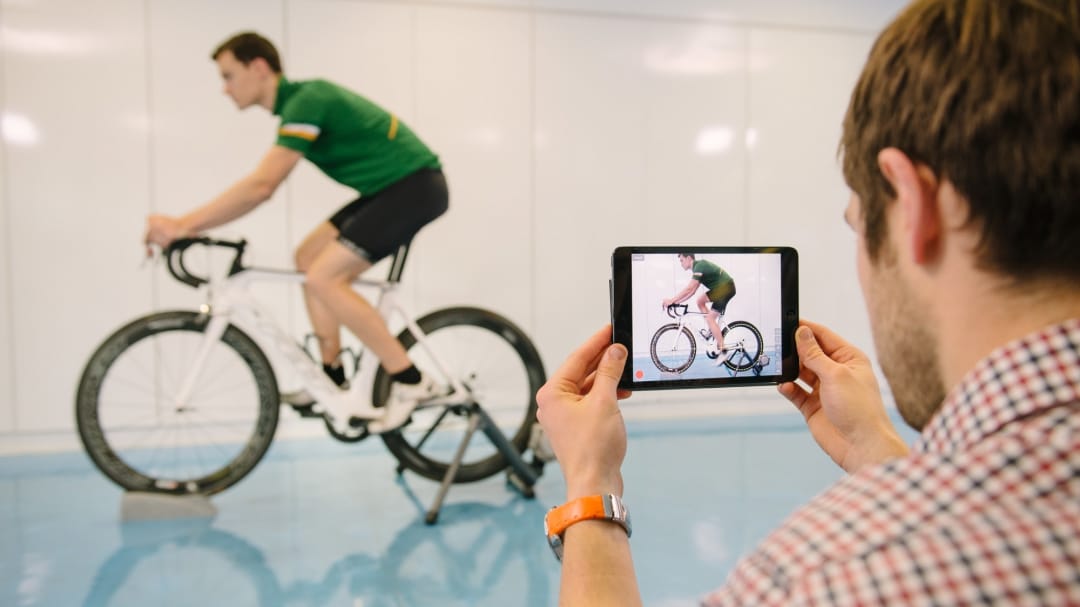
With darker mornings and rainy days, it can be hard to stay motivated when it comes to cycling. In this blog, we share practical winter cycling tips to help you stay motivated, safe, and comfortable indoors and outdoors.
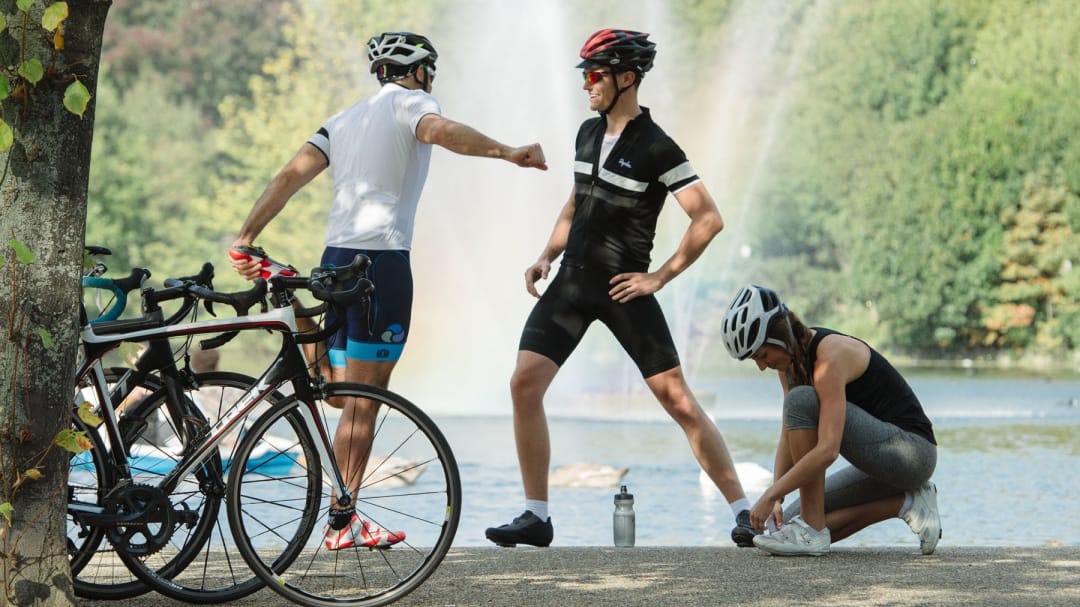
We share our top five stretching exercises to help cyclists increase flexibility and increase safety. These simple yet effective stretches can aid recovery, enhance comfort during rides, and help reduce the risk of common cycling-related injuries.
You’re almost ready for the upcoming race and raring to go. But is it a good idea to keep pushing yourself in the lead-up, only to find yourself unwell or injured at the start line? We offer some guidance on when it’s best to take a rest from training.
Clinical Manager and Strength & Conditioning Coach, Andy Page, answers some of the most commonly asked Ironman-related questions we get asked in the clinic.
Read moreFind out more about your own body. Preparing for an event like this could take six months or more of training, the last thing you want to do is be one month until race day and have your training grind to halt due to an injury or illness. Speak to a Physiotherapist or Strength & Conditioning Coach to assess your injury history and current physical state. This should be your first consideration. Even if you’ve been running or swimming for years, these events will test your whole body, so being proactive to avoid injury is essential.
Not all events are created equal! Research your event carefully and check the distances match what you can do. Some triathlons are essentially half-ironman events, but not named as such, so always check. Going somewhere sunny may sound attractive, but spending the whole day above 30 degrees when you’ve only trained in the UK (in significantly cooler conditions) could seriously affect your ability to perform. A shorter, ‘sprint’ triathlon, based in a location you are comfortable and more familiar with, is best to start with if you’ve never competed before.
I always look at these events in terms of efficiency; just doing more is rarely a great way to train. Maximise your training by structuring your week around your work and life commitments rather than trying to fit in more training than you can handle. In the beginning, you should be looking at two runs per week, two cycles per week and two swims per week. Split these into a longer session - possibly on the weekend if your schedule allows it, and a shorter, more intense session. Adding extra training sessions that aren’t hard enough to tire you out in an hour, are considerably slower than your race pace, or don’t work on a specific technique, like the transition, for example, won’t make you any fitter and will, unfortunately, increase your risk of injury.
When you start training, you should be attempting to have as much quality protein and carbohydrates as possible. When you increase the demands on your body, you are at most risk of illness or injury, and without adequate carbohydrates for energy or protein to regenerate muscle damage, you put yourself at far greater risk. Psychologically, restricting calories at this point can have a large impact on your mood and motivation, so unless you are practised in training hard on a lean diet, it’s best avoided in the beginning. Day-to-day, I would front-load my meals on light training days, eating a large energy-fuelled breakfast and always thinking one day ahead of a big training day, so ensuring I am hydrated and eat a high-carb meal the night before. For specific guidance, I recommend employing the help of a Nutritionist.
This is definitely where you want to be doing specific movements and conditioning your body to be able to perform these three disciplines well. So a random or unstructured plan simply won’t cut it for Triathlon training. Movement efficiency and strength in the right areas will allow you to use less energy to do the same movements, keeping you running, swimming and cycling for longer. This is where you want to see a Physiotherapist or, more specifically, a Strength and Conditioning coach who can create a sport-specific, individualised training plan that will include simple but effective exercises to boost your performance considerably. They can also then tweak and change your plan as you build strength, resilience and increase your physical ability so you’re always getting the most out of your workouts. In terms of time efficiency, one or two gym sessions per week, even at home exercises, can have the greatest impact on your time and risk of injury from any intervention. It is also worth adding soft tissue therapy to your training to avoid injury and aid recovery. Read more about the benefits of soft tissue therapy for Ironman training here.
Of course, but just the same as with running and cycling, you need to prepare. Work on your ability with swimming practice, and build strength through your gym and workout plan. Many of us learned to swim at a young age, but have let our technique rust over the years, and the thought of swimming in open water is daunting. Simple technique lessons can iron out flaws in your stroke and make the swim section a far easier challenge. Given that it is so technique-driven, improving your stroke can dramatically affect your energy levels when getting out of the water. Also, if your event is in open water, such as a lake or the sea, make sure you prepare accordingly, as not being able to see in the water and having waves is very different from swimming in a pool! For more information on swimming, read our blog Medical and Injury Considerations for Swimming.
Cycling is one of the best things you can do for your long-term health, but do you really know how your body is performing?
Our LiveWell service gives you a comprehensive picture of your health and physical fitness, combining VO₂ max testing, strength, mobility, lung function, body composition and more into a single in-depth assessment. For cyclists, understanding your cardiorespiratory fitness isn’t just about performance on the bike; it’s one of the strongest predictors of long-term health and longevity.
Find out more