


What to Eat and Avoid with Endometriosis

Dr Linia Patel
Women’s Health Dietitian & Performance Nutritionist
- 9 March, 2023
- Women's Health
- Diet & Nutrition
- 7 min read
Endometriosis is a chronic condition where cells that resemble the uterus lining, called endometrial cells, grow outside the uterus. It is a common yet widely under-recognised condition affecting more than 10% of women, usually within their reproductive years.
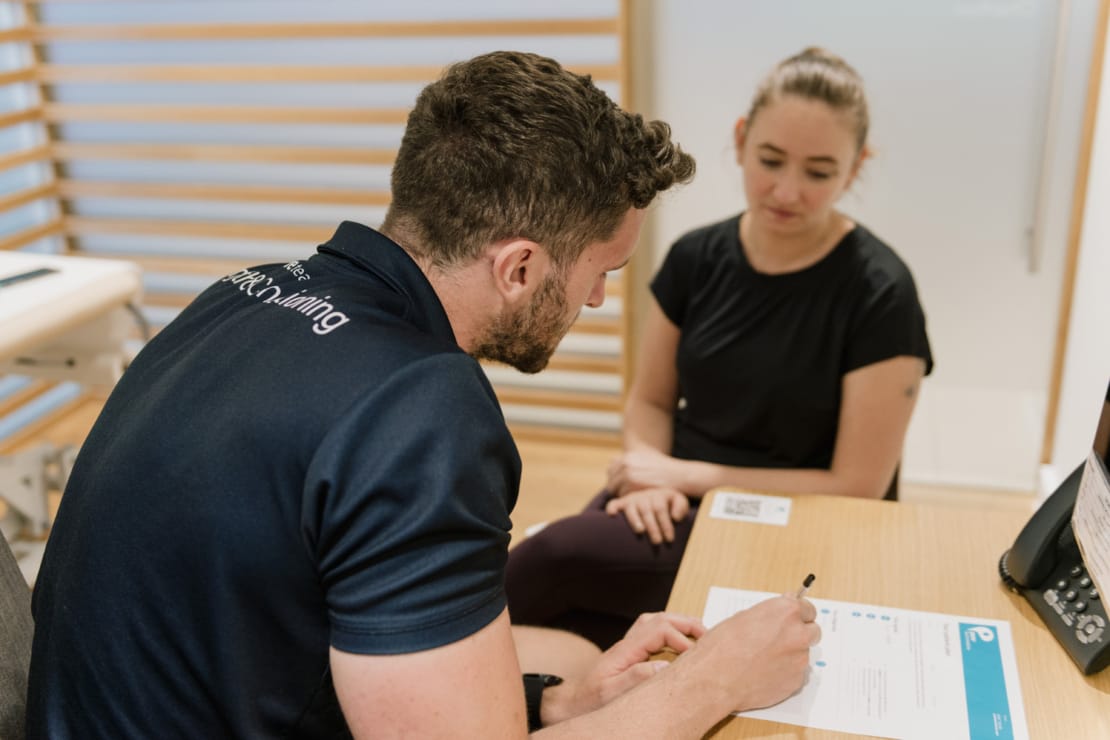
It is often a painful disorder that takes place primarily in the pelvic area. The symptoms of the condition tend to be worse around menstruation. Signs and symptoms commonly include:
- Pelvic pain
- Painful and irregular bowel habits
- Increased pain during periods and sex
- Changes in menstrual flow
- Fatigue
- Bloating
- Infertility, if left untreated
Management of Endometriosis
Endometriosis is an inflammatory condition, so from a nutritional point of view, dietary recommendations should point towards reducing inflammation in conjunction with managing pain and living a healthy lifestyle.
Inflammation is a complicated process; the connection between food and inflammation is still being researched. There are many foods that are believed to impact the inflammatory process, although the mechanism is not conclusive. What is clear is that there is no single anti-inflammatory eating plan.
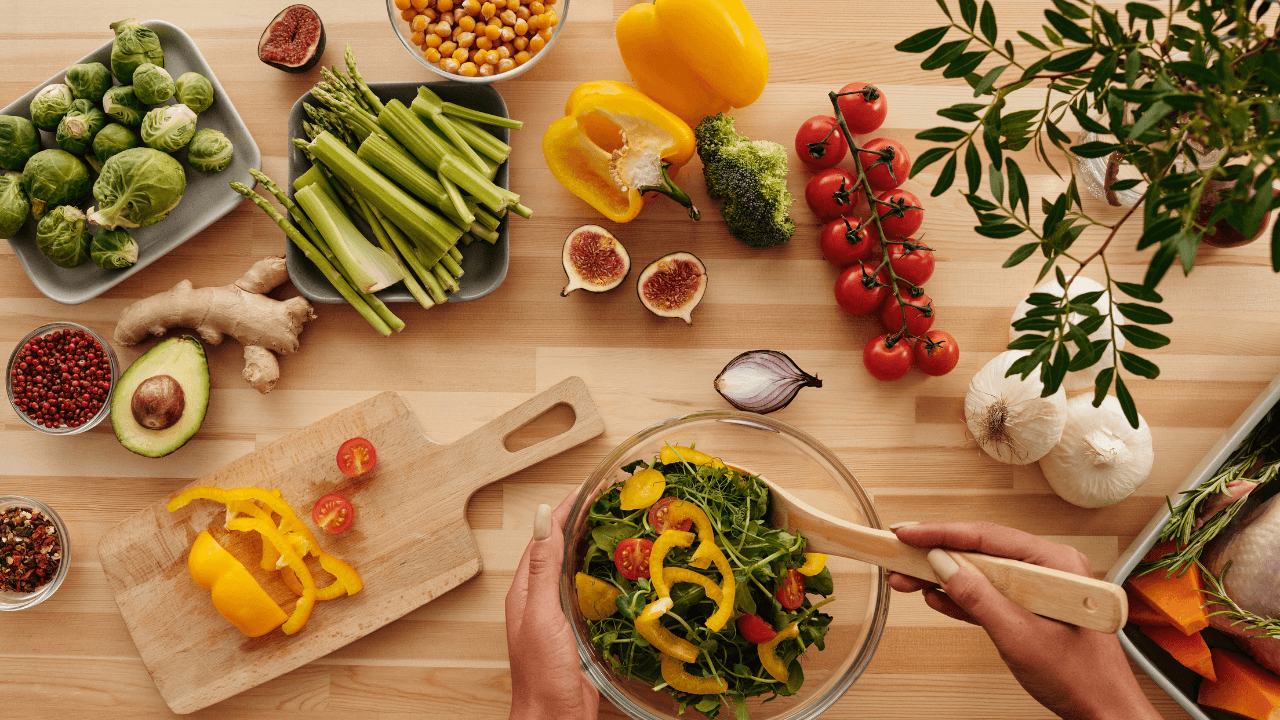
Generally, an anti-inflammatory diet is an eating pattern that is based on whole foods, lots of colourful vegetables and fruit and a balance of protein, wholegrain carbs and healthy fats at each meal. It is also a diet that contains low amounts of ultra-processed foods that are high in refined carbohydrates, trans fats, processed meals and excess alcohol. An anti-inflammatory diet does not follow strict rules about calories or portion sizes. It suggests a variety of anti-inflammatory foods to eat daily, rather than focusing on eating one or two specific foods or nutrients.
Diets that are considered anti-inflammatory include the Mediterranean diet, Dietary Approach to Stop Hypertension diet (DASH diet) and a whole food vegetarian-based diet (or a high fibre diet). Anti-inflammatory dietary patterns should also support optimal gut health. When it comes to the research specific to endometriosis, two of the diets that have been studied and linked positively to helping with endometriosis are the Mediterranean diet and the Low-FODMAP diet.
Adopting an Anti-Inflammatory Diet
An anti-inflammatory diet is focused on the consumption of whole, unprocessed foods to reduce inflammation.
Top foods for managing endometriosis symptoms include the following:
- Lean proteins: Chicken, turkey, plant-based proteins, such as beans and lentils, as well as protein-rich dairy products, including low fat cottage cheese.
- Healthy fats: Omega-3 sources like fatty fish, such as salmon and sardines, olives, walnuts, and flaxseeds can reduce inflammation and support brain health.
- Fermented foods: Probiotics like yoghurt, kimchi, miso and sauerkraut for gut health.
- Fruits and vegetables: This can include a complete variety of colours, tastes and textures, with fruit and vegetables rich in fibre and antioxidants. Emerging evidence suggests that cruciferous vegetables, such as broccoli and kale, may support healthy hormone metabolism when included as part of a balanced diet.
- Whole grains: Oats, wheat and brown rice are popular choices for stabilising blood sugar levels and reducing inflammation.
- Herbs and spices: Turmeric, ginger, garlic, cinnamon and ashwagandha are great for their natural anti-inflammatory properties.
- Herbal teas: Chamomile, green tea, and peppermint tea are good sources of polyphenols, phytochemicals known for their immunomodulatory properties.
Foods to limit or avoid:
- Red and processed meats: beef, lamb, sausages and bacon can be harder to digest, worsening inflammation.
- Refined sugars and carbohydrates: often found in white bread, pasta, pizza dough, and baked goods, these can result in flare-ups.
- Alcohol and caffeine: (to consume in moderation), as these can exacerbate endometriosis symptoms.
“Rather than focusing on superfoods, aim for a wide variety of plant-based foods. Rich in polyphenols, plants help modulate chronic inflammation. While blueberries and turmeric are great examples, a diverse diet provides a broader range of these compounds, offering greater anti-inflammatory benefits,” adds expert nutritionist, Clem Cleave.
Foods That May Positively Affect Endometriosis
To fight inflammation and pain caused by endometriosis, it’s best to consume a nutrient-dense, well-balanced diet that’s primarily plant-based and full of vitamins and minerals. These are the top foods to add to your diet:
- Fibrous foods: such as vegetables, fruit and wholegrains promote healthy digestion but also reduce the oestrogen load in the blood. Endometriosis sufferers often have higher levels of oestrogen, so adding more fibre to the diet helps excrete excess oestrogen out of the body. Studies suggest that fibre should be increased up to 20-30%.
- Plant based iron rich foods: like dark leafy greens, coupled with lemon juice for maximum absorption. Lean, grass-fed meat can be eaten as an iron source as well, although there is some research suggesting a high intake of red meat influences hormone regulation, which in turn worsens endometriosis symptoms. However, more research is needed here.
- Omega-3 rich foods: Omega -3 fatty acids promote the production of prostaglandins, which help to reduce the abdominal inflammation induced by endometriosis. Oily fish like salmon, mackerel, anchovies, sardines, and herring are all good choices. Plant based omega-3 rich foods are seaweed, pumpkin seeds, walnuts and flaxseeds.
- Antioxidant rich foods: are found in colourful fruits and vegetables, such as oranges, berries, dark chocolate (> 80%), and dark green leafy vegetables. The colourful compounds found in a wide variety of plants are called polyphenols, and they can help reduce inflammation and oxidative stress in a variety of ways. Rather than focusing on any one specific wonder-food or supplement, eating a wide range of plants is the best way to get a good dose of polyphenols in your diet.
Foods That May Negatively Affect Endometriosis
Foods that can influence hormone regulation, particularly oestrogen balance, can negatively affect those with endometriosis. In addition, limiting foods that may promote inflammation in the body and lead to further pain or progression of the disorder. Although more research needs to be done to fully correlate certain foods or lifestyle habits with the development or worsening of this condition, the following factors may negatively influence endometriosis:
- A diet high in ultra-processed foods: that contain high amounts of refined carbohydrates, sugar, processed fats, salt and preservatives has been linked to higher endometriosis rates.
- Excessive alcohol intake: Alcohol raises oestrogen levels. Naturally, oestrogen thickens the lining of the uterus during the menstrual cycle; hence, for women with endometriosis, an additional increase in oestrogen levels is not desirable.
- High FODMAP foods: FODMAP stands for Fermentable Oligosaccharides, Disaccharides, Monosaccharides, and Polyols. It is a type of carbohydrate that can resist digestion. Some people with digestive issues can benefit from reducing these in their diet. Those with endometriosis are 2.5 times more likely to be diagnosed with irritable bowel syndrome. It is therefore not surprising that research reports that women who follow a low FODMAP diet experience improved abdominal and overall symptoms. As the low FODMAP diet is a restrictive diet and as high FODMAP foods can also be healthy foods, it is recommended that you speak to a dietitian to support the process of elimination and reintroduction.
Supplements That May Help
In addition to eating a healthy diet, some studies suggest that supplements may be beneficial as well.
- Vitamin D: One large prospective study showed that women with a lower vitamin D level had an increased rate of endometriosis.
- Turmeric: Curcumin is the anti-inflammatory part of the well-known spice turmeric. Studies have shown that it may help with endometriosis management by reducing the production of oestrogen. More research is needed before we know the exact dosages to recommend; however, in general, it is recommended for chronic inflammatory conditions that herbs and spices such as turmeric are used regularly in your meals.
Gluten Free Diet for Endometriosis?
Going gluten free is one of the most widely circulated “diets” that endometriosis warriors hear they should follow. It is thought that it has the potential to affect inflammation and hormones (both of which are associated with endometriosis). A recent study found that 75% of participants with endometriosis experienced a reduction in period pain, painful sex and pelvic pain when they cut gluten out of their diet. While the exact mechanism is not known, what we do know is that a gluten free diet contains fewer FODMAPs (particularly fructans from wheat) and that is what really makes the difference. Before you eliminate any food group from your diet, it is important to speak to a dietitian for a more personalised approach.
Summary of Endometriosis and Nutrition
- Endometriosis is a chronic, complex condition impacting around 10% of women. Receiving a diagnosis takes, on average, 7.5 years in the UK! Until a diagnosis is made, eating the right foods may help ease some of the symptoms.
- Nutrition cannot reverse endometriosis; however, following an anti-inflammatory diet that focuses on fruit and vegetables, fibre and healthy fats can help ease symptoms, including bloating and pain.
- Ensure that you follow the right nutritional advice. Beware of the information you consume and seek out properly qualified professionals. For tailored advice, be sure to speak to a dietitian.
Seek Guidance from a Dietitian or Registered Nutritionist (RNutr or ANutr)
It can be overwhelming to maintain a balanced diet independently, particularly if symptoms remain challenging. At Pure Sports Medicine, our expert dietitians and registered nutritionists can help you on your endometriosis journey, tailor effective meal plans that cater to your needs, identify potential food triggers, and ensure you’re not missing essential nutrients.
Proactively addressing these pitfalls with support and preparation can make a significant difference in managing endometriosis symptoms and improving your overall wellbeing.
References
FAQs
Can diet really help manage endometriosis symptoms?
While diet cannot cure endometriosis, an anti-inflammatory eating pattern may help reduce symptoms like pain, bloating, and fatigue.
What recipes are good for anti-inflammatory diets?
Breakfast:
- Anti-inflammatory smoothie, filled with healthy berries, seeds, spinach, avocado and almond milk.
- Porridge with berries, nuts and cinnamon.
Lunch:
- Salmon and avocado salad with a turmeric and lemon dressing.
- Hearty lentil soup with a side of wholegrain bread.
- Chickpea, sweet potato and cauliflower curry.
Dinner:
- Grilled chicken with roasted sweet potatoes, steamed broccoli and kale.
- Quinoa stir-fry with chicken or tofu, ginger, and mixed vegetables.
Snacks and Desserts:
- Bananas drizzled with honey, cinnamon and dark chocolate.
- Chia seed pudding
- Dark chocolate with a handful of walnuts.
How to manage cravings for inflammatory foods?
Cravings for foods high in sugar content, processed fats, or refined carbohydrates can be strong, particularly during a flare-up, where you may wish for something easy (or tasty). These foods, however, can exacerbate inflammation and worsen your symptoms.
To counteract this, it’s always best to stock healthy, anti-inflammatory alternatives. For example, dark chocolate instead of sweets, or swap crisps and dip for roasted chickpeas or nuts. Meal prepping can also help reduce reliance on processed snacks and meals throughout the week.
Why is it important to track your diet when attempting to eliminate ‘trigger’ foods?
Eliminating common trigger foods such as gluten, dairy, or processed sugar can also lead to nutritional gaps if not done thoughtfully. Incorporating nutrient-dense foods into your diet and routinely tracking your food intake can help ensure you’re meeting your nutritional needs and identify any ‘trigger’ foods that could hinder your health.
Should I see a dietitian for endometriosis?
Yes, a dietitian can help tailor a plan, prevent nutrient deficiencies, and guide elimination diets safely.
Related Posts



Advice
Over the last 20+ years our experts have helped more than 100,000 patients, but we don’t stop there. We also like to share our knowledge and insight to help people lead healthier lives, and here you will find our extensive library of advice on a variety of topics to help you do the same.
OUR ADVICE HUBS See all Advice Hubs