


Osteopenia and Osteoporosis: What You Need to Know About Your Bone Health
Dr Farrah Jawad
Consultant in Sport, Exercise & Musculoskeletal Medicine
- 19 October, 2026
- Exercise & Musculoskeletal Medicine
- Osteopathy
- 4 min read
If you looked at bone under a microscope, you would see a structure a bit like scaffolding: it can be strong and well built, become weaker, or become fragile and brittle. You cannot always tell how healthy your bones are by how you feel.
Osteopenia and osteoporosis often develop without obvious symptoms, and some people only discover they have them after breaking a bone following a fall or minor injury.
Both conditions affect bone strength, but they are different. Osteopenia means your bone density is lower than normal, while osteoporosis makes your bones more fragile and more likely to break.
With World Osteoporosis Day taking place on 20 October, it is a good time to think about your bone health. Although osteoporosis becomes more common as we get older, there are things we can do throughout adulthood to help maintain strong bones and reduce the risk of fractures.
What is Osteopenia?
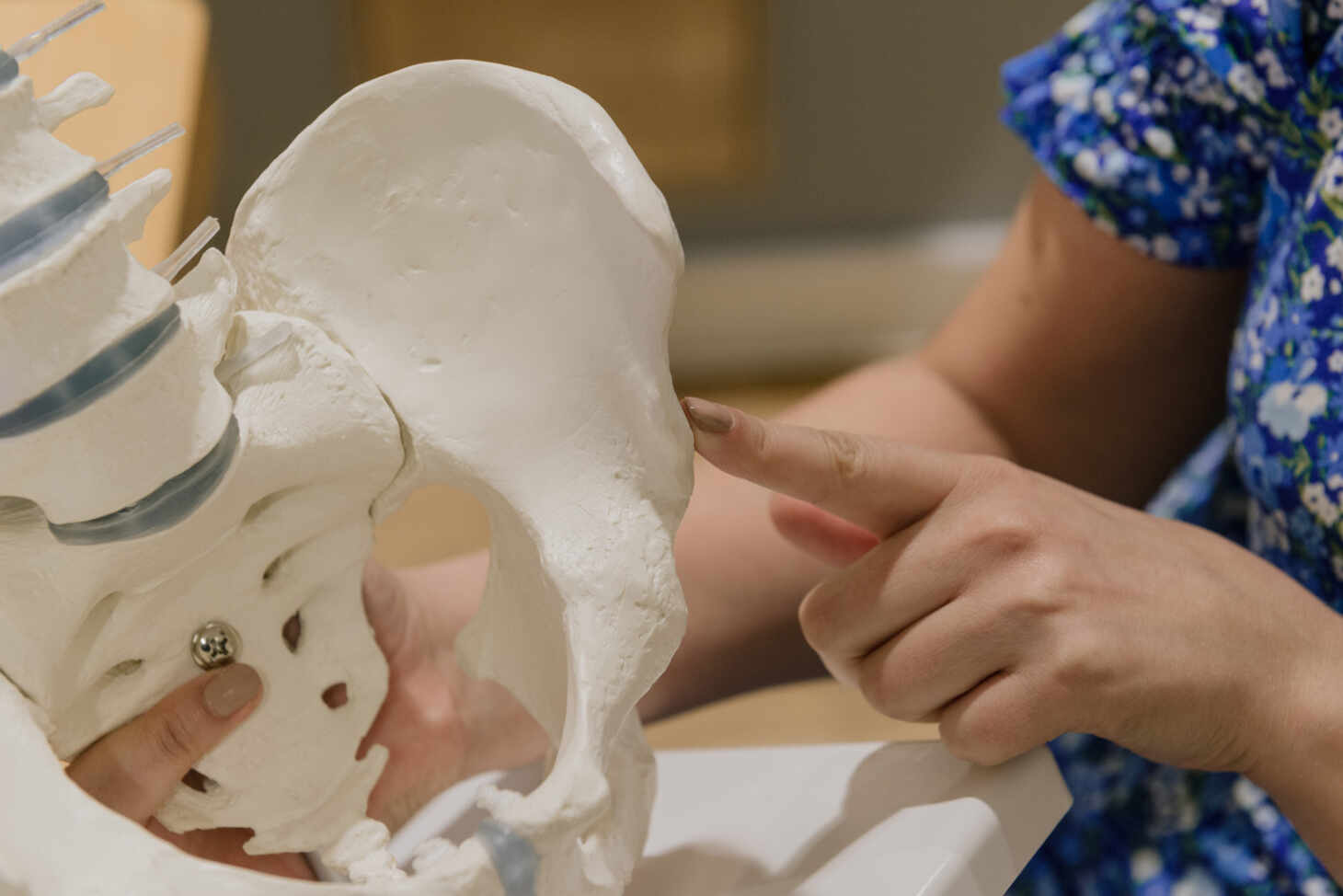
Osteopenia means your bones have lost some density and are weaker than expected, but not enough to be classed as osteoporosis. It does not always progress to osteoporosis. However, it can increase your risk of fractures, particularly if you have other risk factors. Osteopenia rarely causes symptoms, so you may only discover you have it after a bone density scan.
What is Osteoporosis?
Osteoporosis makes bones weaker and more fragile. A fracture may happen after a fall from standing height or during an everyday activity. The hip, wrist and spine are common sites for these fractures.
Osteoporosis becomes more common with age, particularly in women after menopause. Falling oestrogen levels can speed up bone loss. Men can develop osteoporosis too, and it is not an inevitable part of ageing.
A broken bone may be the first sign. Spinal fractures can occur without an obvious injury and may cause ongoing back pain, loss of height or a more rounded upper back.
What Increases Your Risk?
Your risk may be higher if you:
· Are over 50.
· Have gone through the menopause, especially at an early age.
· Have a parent who had osteoporosis or a hip fracture.
· Have broken a bone after a minor fall or injury.
· Have a low body weight.
· Have a medical condition that affects bone health.
· Take certain medicines, particularly steroid tablets for a long time.
· Smoke, drink excessive amounts of alcohol or do little physical activity.
· Have a low intake of calcium or vitamin D.
Having these risk factors does not mean you have osteopenia or osteoporosis. However, if several apply to you, it may be worth discussing your bone health with your doctor.
When Should You Seek Advice?
Because osteopenia and osteoporosis do not usually cause symptoms in their early stages, it is helpful to know what might prompt further investigation.
Consider speaking to your doctor if you:
· Break a bone after a minor fall or injury, particularly after the age of 50.
· Notice that you have become shorter.
· Develop persistent or sudden back pain without an obvious cause.
· Notice that your upper back is becoming more rounded.
· Experience an early menopause.
· Take long-term steroid medication or have a condition that affects bone strength.
· Have several risk factors or a close family history of osteoporosis or hip fractures.
These signs can have other causes, but they are worth discussing with a healthcare professional. You do not need to wait until you break a bone before asking about your risk.
How Are Osteopenia and Osteoporosis Diagnosed?
Your doctor will ask about your medical history, previous fractures, family history, menopause, lifestyle and medication. They may use a fracture risk assessment tool, such as FRAX or QFracture, to estimate your risk of breaking a bone. Depending on your individual circumstances, you may then be referred for a DEXA (dual-energy X-ray absorptiometry) scan. Not everyone needs one, so your doctor will consider your risk factors and whether the results would help guide your care.
A DEXA scan is a quick, painless test that uses a low dose of X-rays to measure bone density, usually at the hip and lower spine. It generally takes around 10 to 20 minutes.
The results help show whether your bone density is within the expected range, lower than normal or low enough to meet the criteria for osteoporosis. Your doctor will interpret them alongside your age, medical history and overall risk of fractures.
Blood tests may also be recommended to look for possible causes of bone loss. These might include checks on calcium, vitamin D, kidney function and thyroid function. If a fracture is suspected, you may need an X-ray or another type of scan.

What Can You Do to Look After Your Bones?
Treatment depends on your bone density, fracture risk and general health.
If you have osteopenia, your doctor may recommend lifestyle changes and monitoring. Medication is not always needed. If you have osteoporosis or a high risk of fractures, treatment may be offered to strengthen your bones and reduce the risk of future fractures.
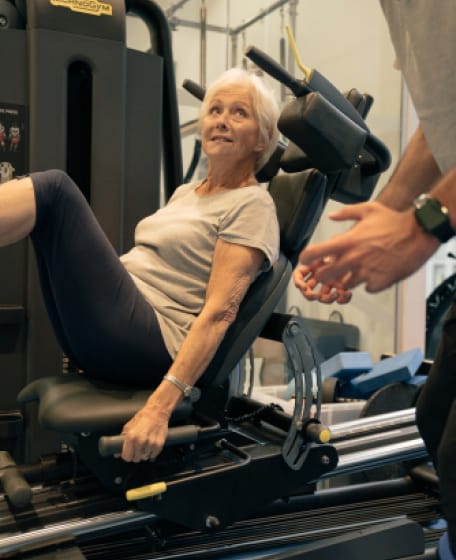
One important thing to understand is that bone is not static. It is constantly renewing and adapting to the forces placed upon it. When bones are regularly exposed to the demands of physical activity, this helps stimulate the processes involved in maintaining bone strength. Without enough loading, bones can gradually lose density. This is why weight-bearing exercise, such as walking, and muscle-strengthening activities are important for developing and maintaining good bone mineral density. Activities should be appropriate for your age, fitness and health, particularly if you have already been diagnosed with osteoporosis.
Other ways to support your bone health include:
· Eating a balanced diet with enough calcium and vitamin D.
· Avoiding smoking.
· Keeping alcohol within recommended limits.
· Maintaining strength and balance and reducing hazards to help prevent falls.
If you are unsure which activities or changes are right for you, your doctor or another healthcare professional can offer advice.
World Osteoporosis Day is a timely reminder that bone health deserves attention before problems arise. You may feel well and have no reason to suspect your bones are weakening, but understanding your risk factors can help you decide whether to seek advice. If you have concerns about your bone health, our Consultants in Rheumatology or Sport & Exercise Medicine can help, and we have a multidisciplinary team of Physiotherapists, Exercise Physiologists, Strength & Conditioning Coaches and Dietitians who can help to support and improve your bone health.
References
- About Osteoporosis | World Osteoporosis Day, Royal Osteoporosis Society: https://www.worldosteoporosisday.org/about-osteoporosis
- Royal Osteoporosis Society – Better Bone Health for Everybody | Royal Osteoporosis Society: https://theros.org.uk/
Related Posts

Advice
Over the last 20+ years our experts have helped more than 100,000 patients, but we don’t stop there. We also like to share our knowledge and insight to help people lead healthier lives, and here you will find our extensive library of advice on a variety of topics to help you do the same.
OUR ADVICE HUBS See all Advice Hubs