Before you go

Book a free 15-minute consultation. We’ll help you understand what may be causing the pain and provide the guidance you need to get you back to your best.

"*" indicates required fields

Your Details

Tell us about your pain or discomfort

Medical Insurance

This field is for validation purposes and should be left unchanged.
Need some help?
?
Pure Sports Med

Cross-Bracing Protocol

This new and exciting non-surgical treatment option can support those with acute ACL injuries, sustained with the previous 15 days.

This treatment option is designed to support those who have sustained an ACL injury within the last 15 days. The time frame is important due to the natural healing capabilities of the ACL.

Traditionally, the ACL was thought to have limited healing potential, making surgical repair the gold standard treatment. However, recent evidence has proven that under the right circumstances and for the correct patients, early bracing can facilitate ACL healing with adequate stability.

Its important to note that the success rate, and eligibility, of this treatment is time-dependant so therefore we recommend seeking an assessment as soon as possible following sustaining a significant knee injury.

Book an appointment

The Cross-Bracing Protocol is an innovative approach to the non-surgical management of anterior cruciate ligament (ACL) injuries.

clinician assisting patient in recovery gym with hands on hips
  • doctor logo

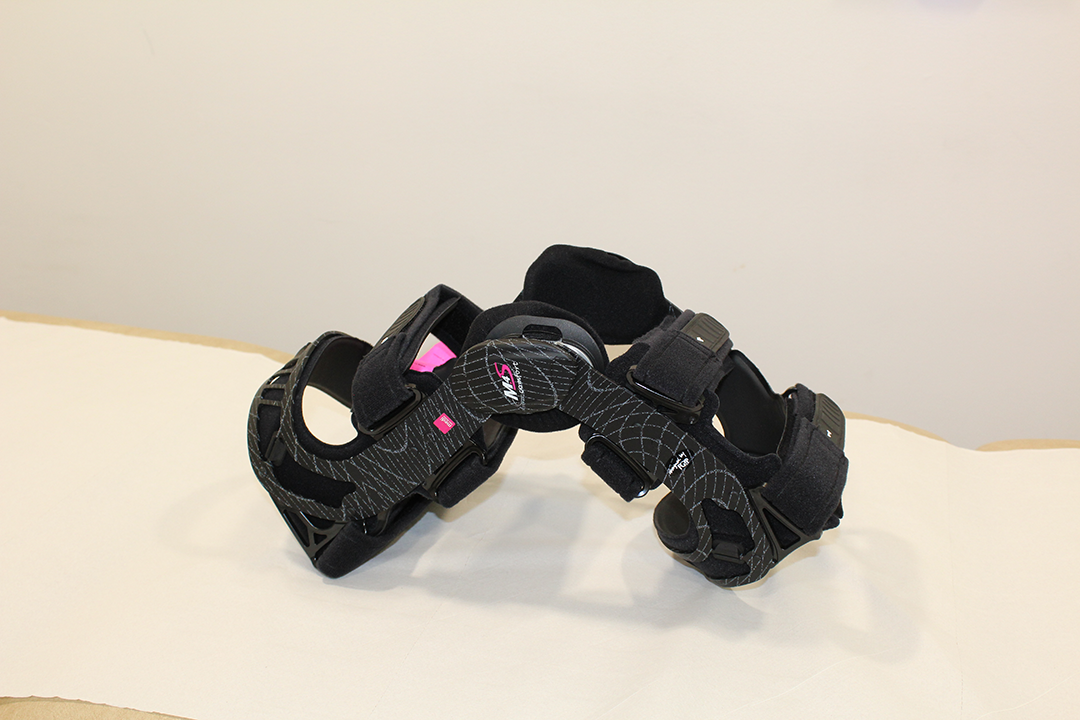
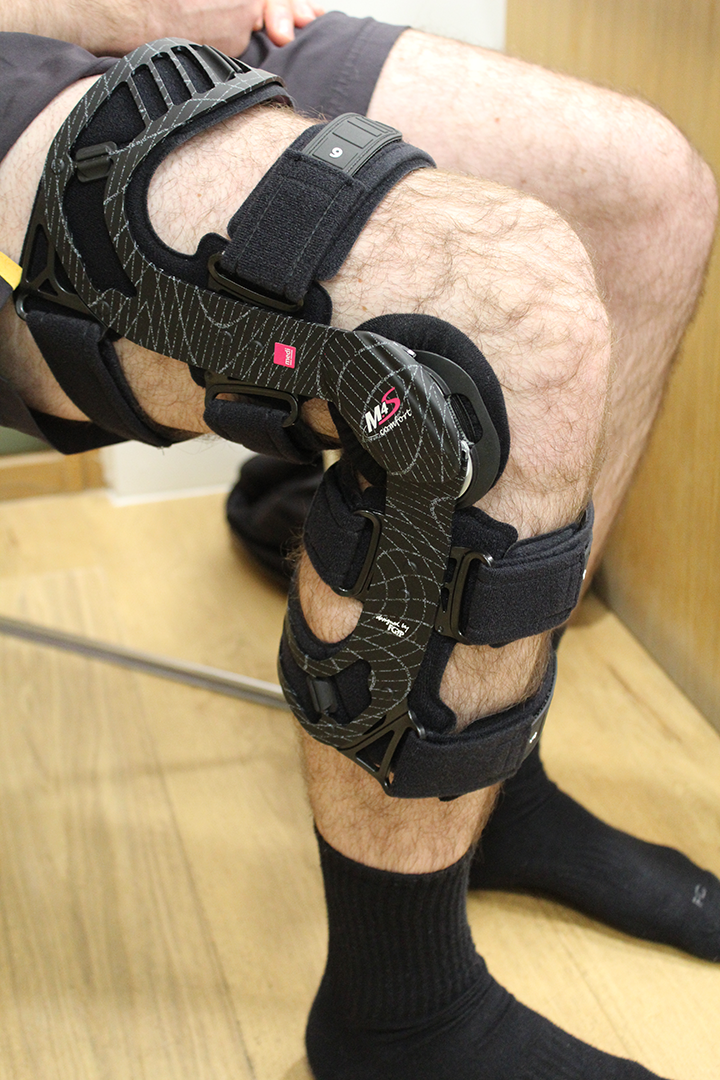
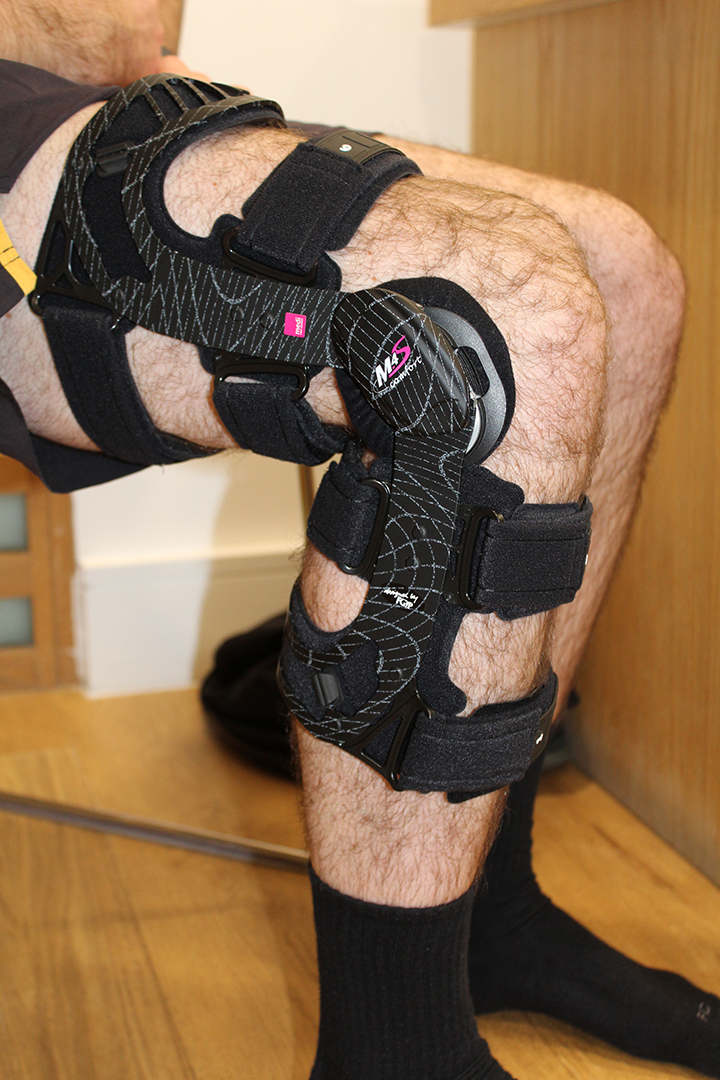
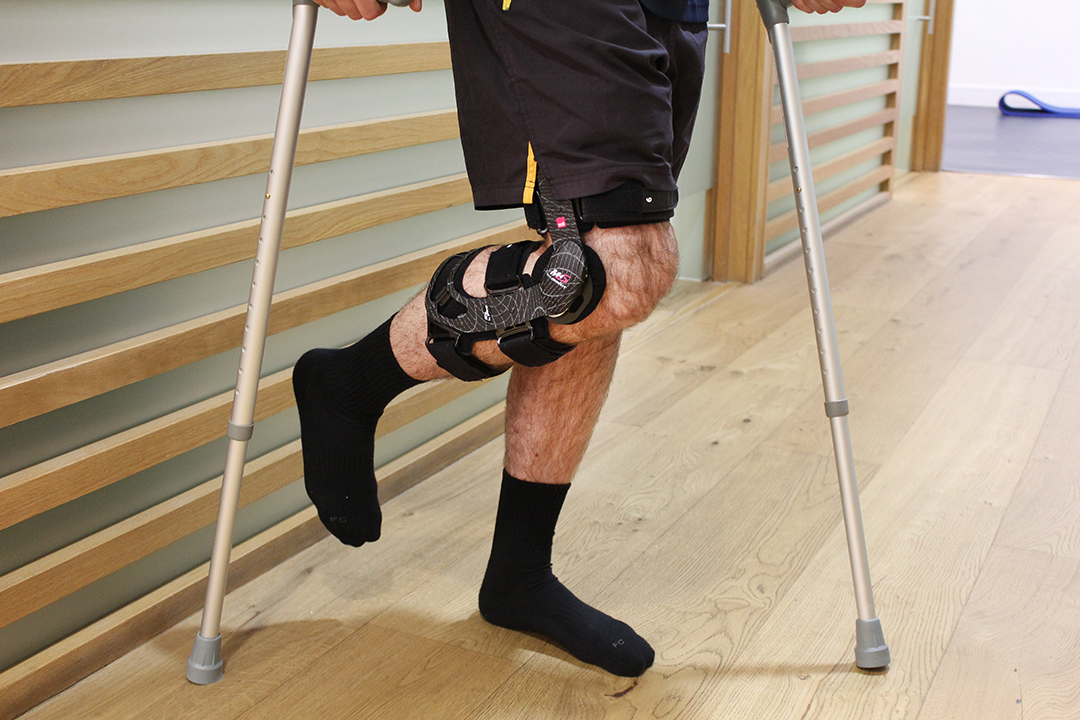
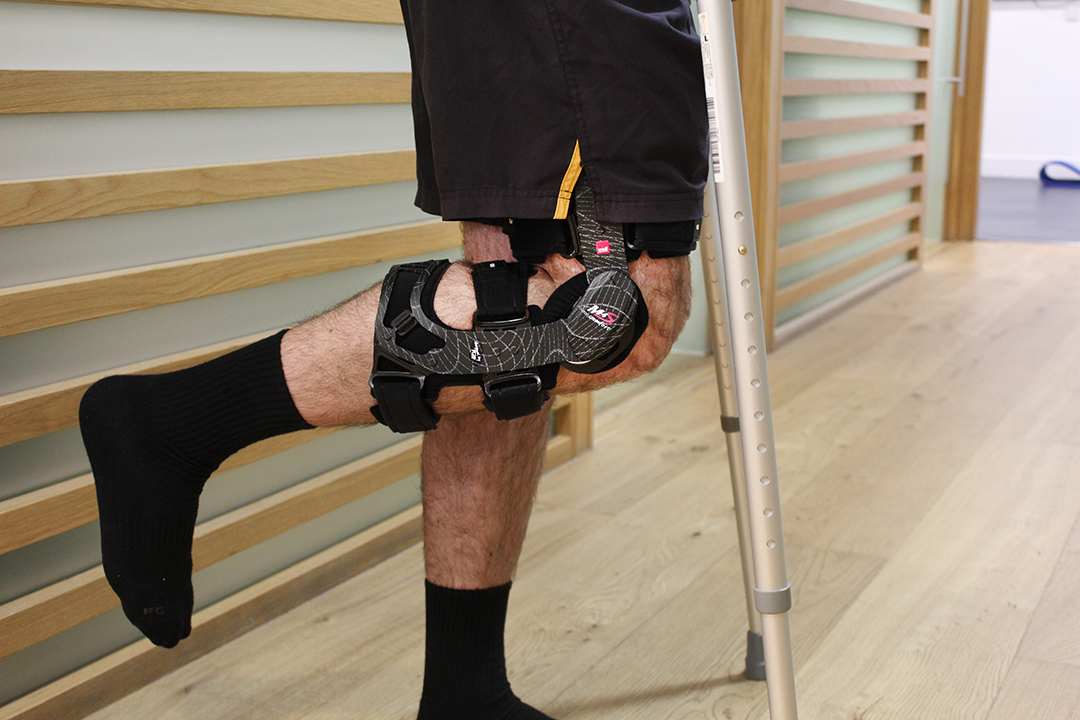
    The protocol involves wearing a fixed range-of-motion brace, initially locked at 90° flexion, over a typical 8 or 12-week period. Alongside a bespoke rehabilitation program and over the course of your treatment, the brace is gradually adjusted to allow the knee to straighten progressively.

  • doctor logo

    Your treatment will begin with a comprehensive assessment with a Sport & Exercise Medicine Medicine Consultant.

  • doctor logo

    When considering if this is the right treatment for you, use the helpful decision making tool and Quick-Check eligibility questions below.

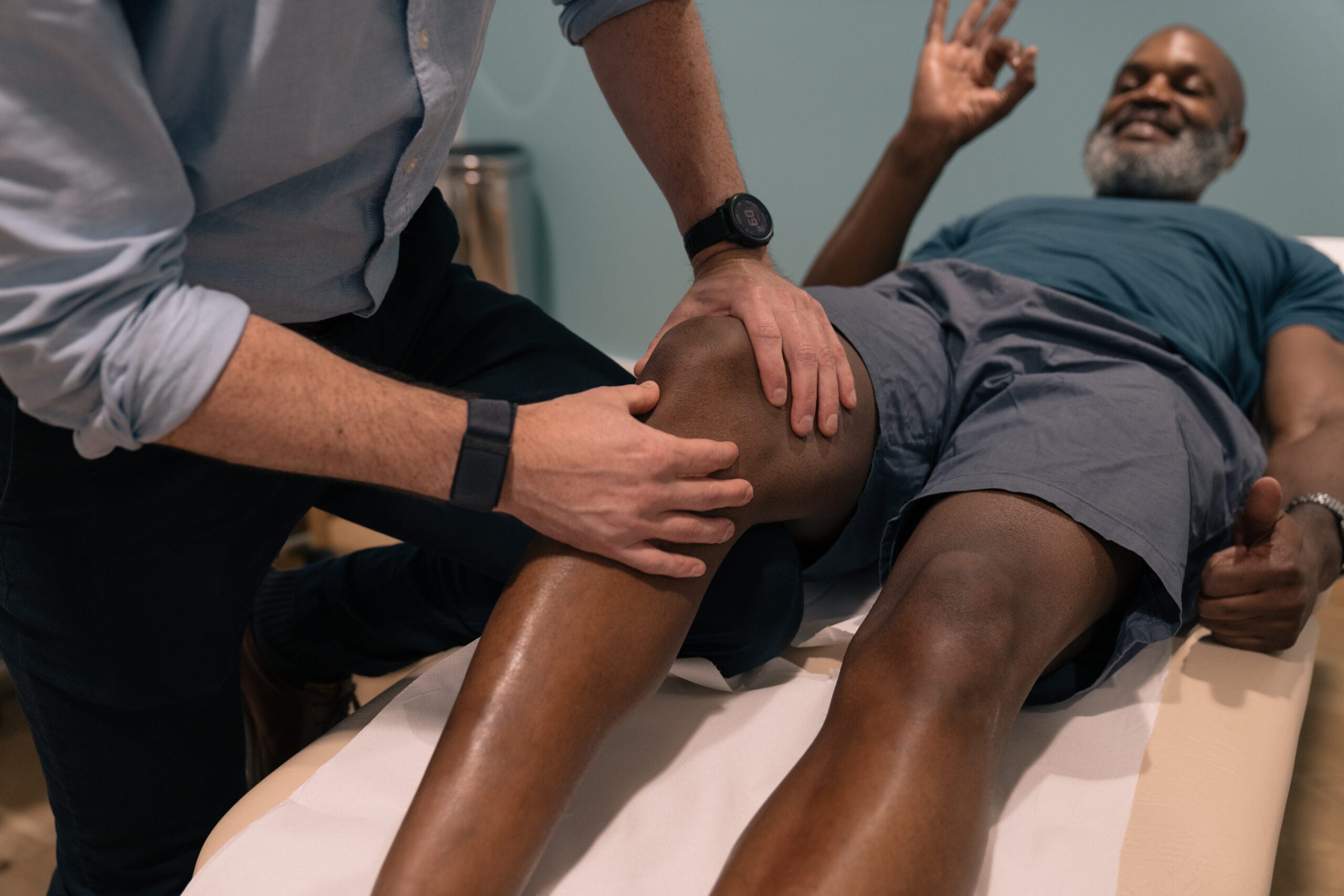
clinician holding patient knee for assessment

Eligibility Quick-Check

  • 1. Did your injury involve a twisting or pivoting mechanism?
  • 2. Did you hear or feel a pop in your knee?
  • 3. Is your ability to weight bear on your leg altered?
  • 4. Did your knee swell a lot or swell very quickly following the injury?
  • 5. Was your injury under 21 days ago (ideally between 4-10 days)?
  • 6. Do you have any history of blood clots yourself, or blood clotting disorders in your family?
  • 7. Are you allergic to any anti-coagulant medications or do you have any renal problems?
  • 8. Do you smoke?
  • 9. Do you have any inflammatory disorders?
  • 10. Are there any other occupational or personal reasons why you may not be able to wear a fixed ROM brace?
Useful decision making tool

Eligibility Check Answers

If you answered YES to some or all of the injury related questions (1-5), and NO to the general health questions (6-10), you may have injured your ACL and be eligible for this protocol.Contact our team to book an initial appointment with a Sport Exercise Medicine Consultant to get your injury assessed and arrange an MRI at your earliest convenience.

patient sat on the bed in appointment room with clinician holding ankle
person holding knee sat down

Pricing

  • Please note: the item costs below are in addition to appointment fees.
  • Crutches – £40
  • Medi telescopic ROM brace – £118 (for initial period between injury and MRI scan)
  • Medi M.4s Comfort brace – £430 (recommended brace if protocol adopted)

Discover more of what you can expect from this course of treatment, and if it would be right for you and your injury, with our helpful FAQs.

This service is available at our Raynes Park, Canary Wharf and Bank clinics.

The protocol involves wearing a fixed range-of-motion brace, initially locked at 90° flexion, over a typical 8 or 12-week period. The exact time may vary depending on the specific nature of your injury and personal circumstances. The brace is gradually adjusted to allow the knee to straighten progressively. Although in the early stages, you will need to use crutches, your individualised rehabilitation program, created by your team of experts, will commence from the first week. 


During the initial period between the injury and having an MRI scan, you will be recommended to wear a less restrictive brace from 90-30° to optimise the knee’s early healing, without prematurely locking the knee in a fixed position. If your injury doesn’t turn out to be eligible, this brace is still useful to protect the knee in the first weeks of recovery. 


Following the final week of the protocol, you will require a second MRI scan to assess the extent of healing, and to allow your team to make accurate further recommendations on how to proceed with treatment. At this point you may need an appointment with an orthopaedic surgeon, however your team will advise you if that is necessary.

    Your Consultant and physiotherapist will determine your eligibility based on the assessment, a thorough history of your circumstances and injury, and MRI findings. Therefore, it is essential to obtain an MRI scan as soon as possible following your injury to assess your suitability for the protocol. Please note, that a specific scan sequence is required for accurate assessment, which is not routinely offered by all providers, so please speak with one of our team before booking one yourself.


    The optimal time to brace your knee is between 4-10 days post injury to improve the likelihood of success. However, if your injury is <21 days ago bracing can still be considered. 


    It’s important to note that this treatment may not be right for everyone. Certain medical conditions may exclude you from this treatment. For example, due to the extended period of reduced mobility, individuals with a history of blood clots or deep vein thrombosis (DVT) may not be eligible. Other lifestyle factors may also mean this approach isn’t feasible, such as certain occupational or childcare requirements. If you’re unsure, make sure to seek the opinion of a cross-bracing clinician.

      Benefits include: 

      • Avoids risks associated with surgery and general anaesthesia, such as infection, bleeding, or post-surgical joint stiffness. 
      • Aims to preserve native ACL tissue and joint mechanics. 
      • No damage to the hamstring or patellar tendons (these tissues are used during  reconstruction surgery to build the ACL graft)
      • May enable an earlier start to rehabilitation and a faster return to full function. 


      Potential Drawbacks:  

      • Restricted mobility for several weeks, including potential increased risk of clotting. 
      • You’ll need to wear the brace during sleep and showering, and it may mean you’ll be unable to drive etc. 
      • There could be a possible need for future surgical reconstruction if the ACL fails to heal sufficiently throughout the bracing period. 
      • As this is a newer form of treatment there is limited long-term data on knee health and re-rupture risk compared with surgery. 


      This list is not exhaustive, and all risks/benefits will be discussed with you to help you make an informed decision. You will have the opportunity to ask any questions you may have during your initial consultation.

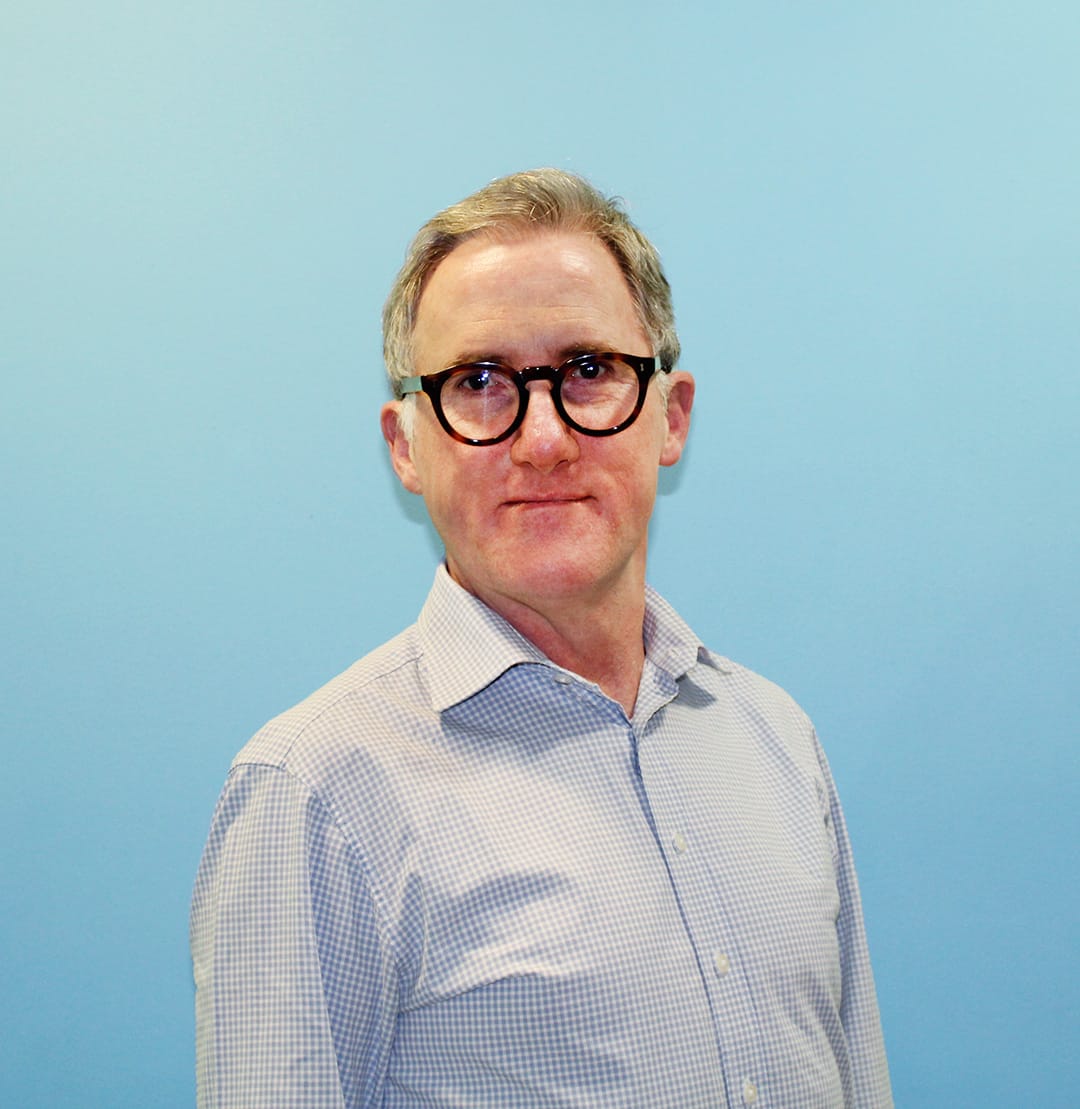
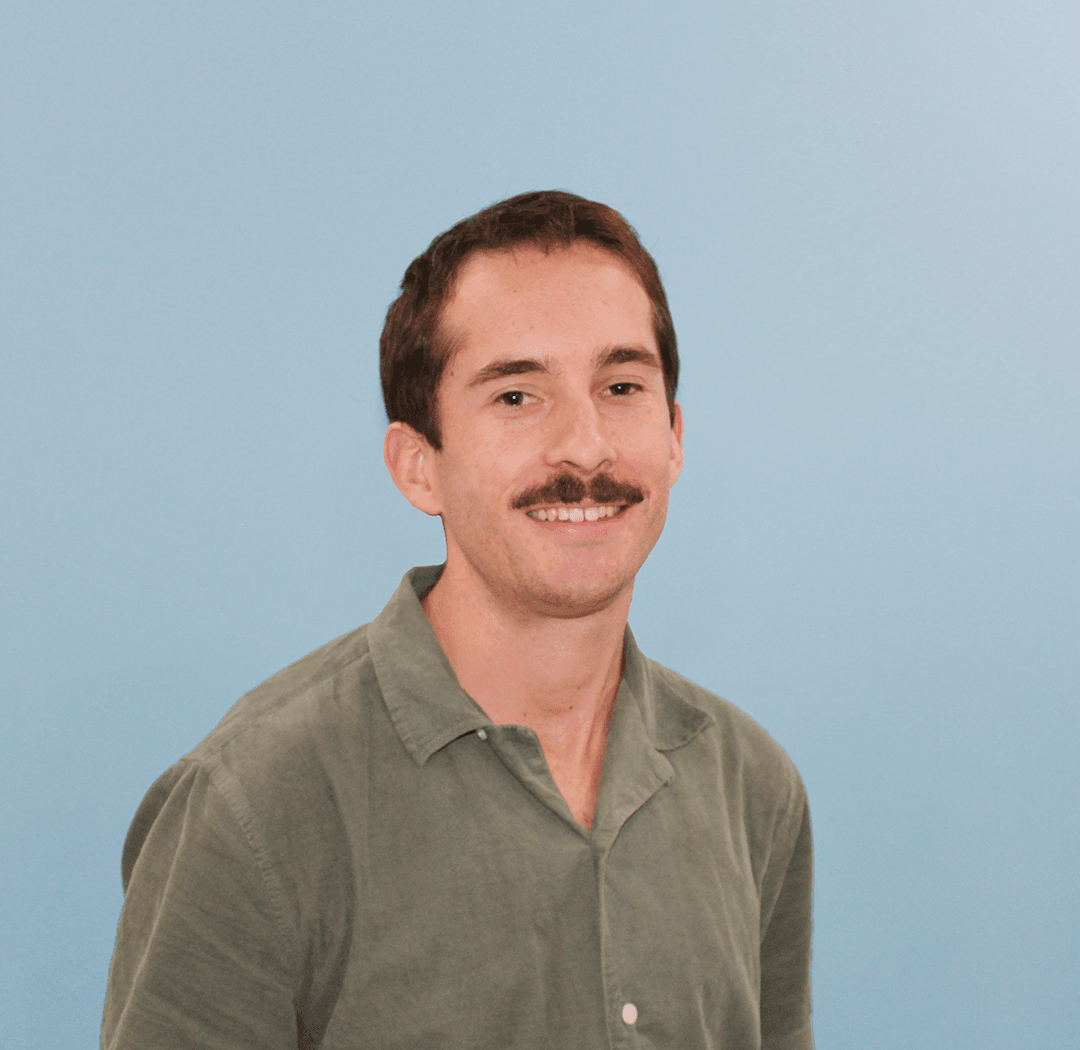
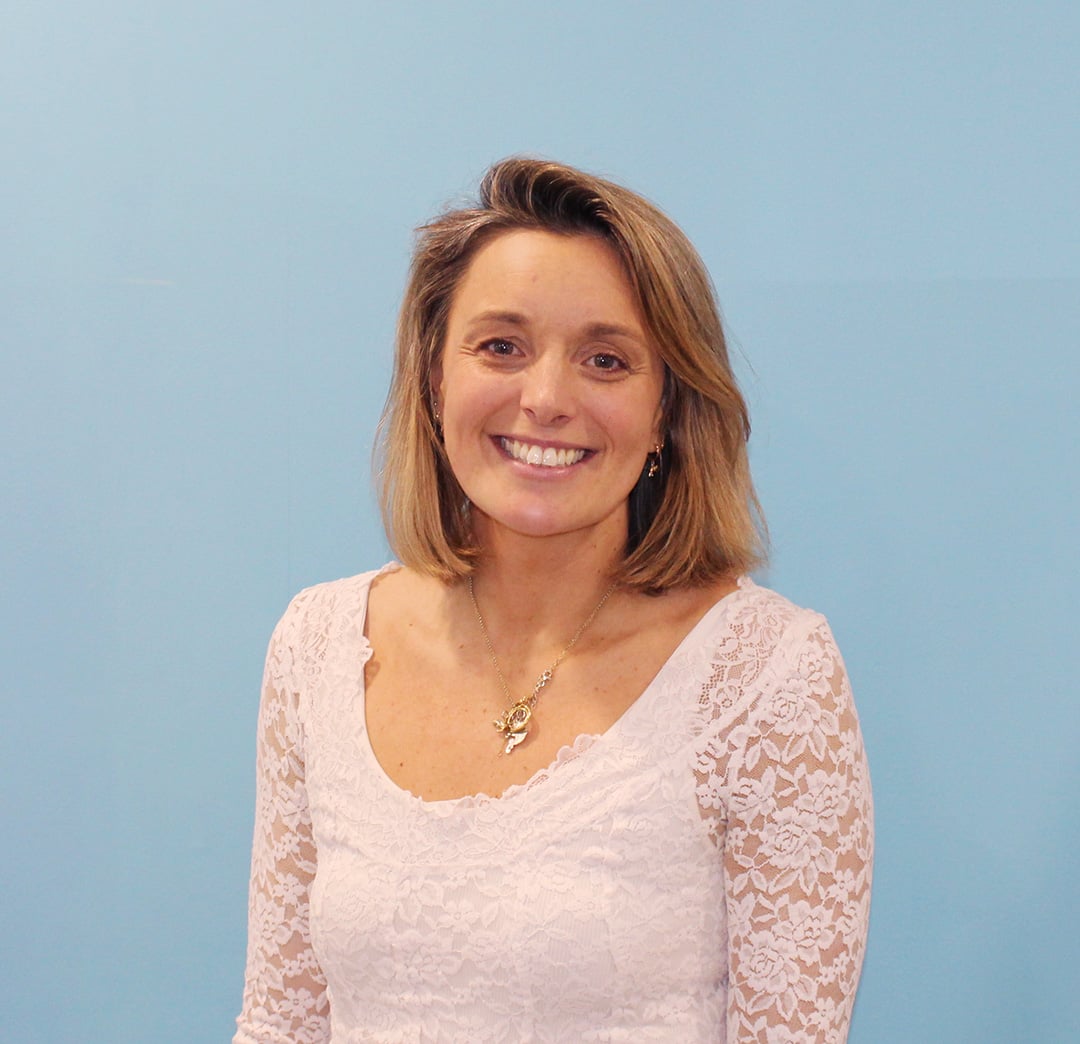
        Your Team

        Your Location

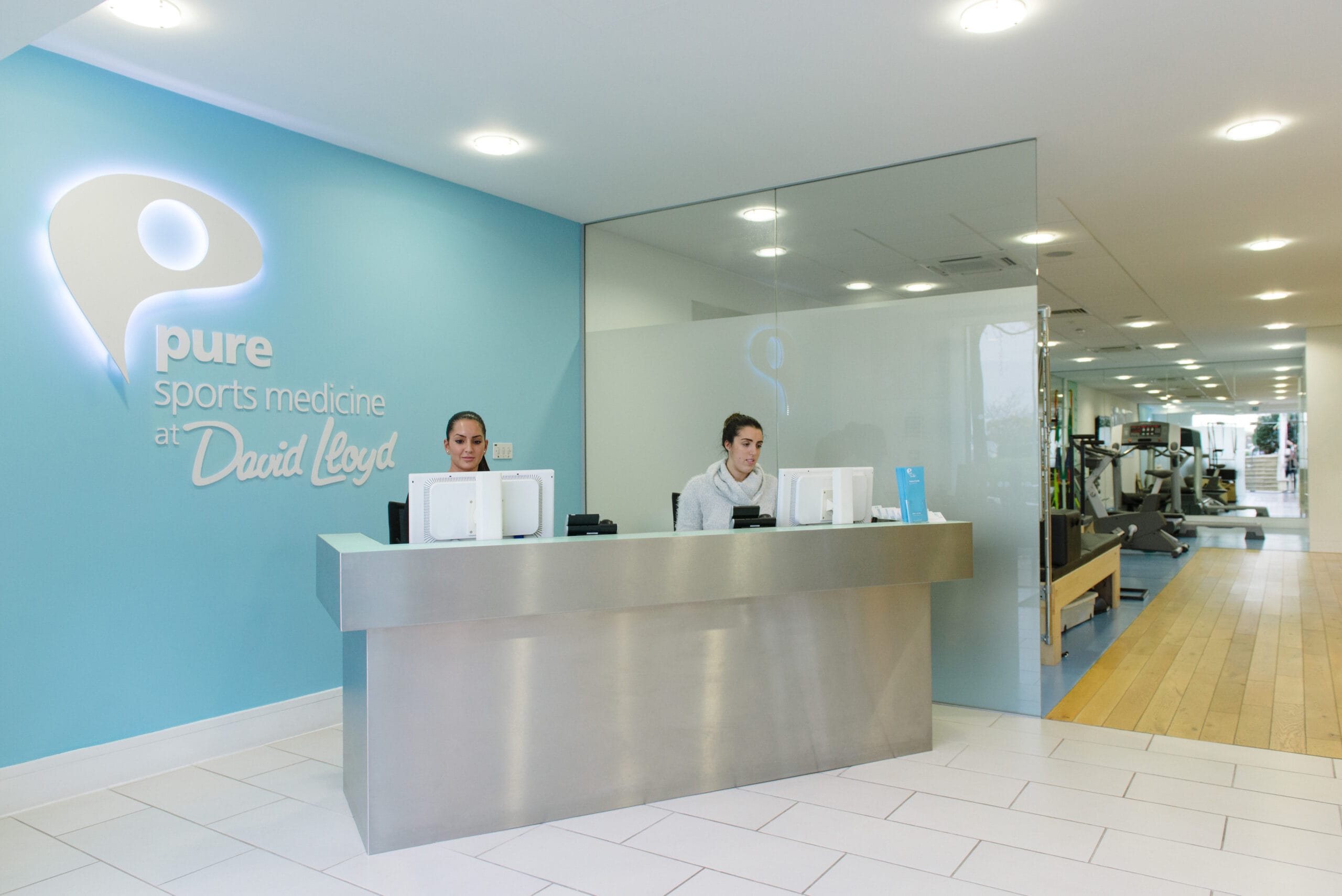
        Pure Sports Medicine Raynes Park reception

        Raynes Park / Wimbledon

        Pure Sports Medicine, David Lloyd, Bushey Road, London SW20 8DE

        Our Raynes Park clinic, next to David Lloyd, is convenient to Wimbledon, Raynes Park, Kingston and the South West London area. Offering face-to-face and remote consultations.

        Opening Times

        • Monday – Thursday: 7:30am – 8pm
        • Friday: 7:30am – 6pm
        • Saturday: 8am – 3pm
        • Sunday & Bank Holidays: Closed

        Accessibility

        Ramp to clinic front door, accessible toilet, gym facilities and clinic rooms
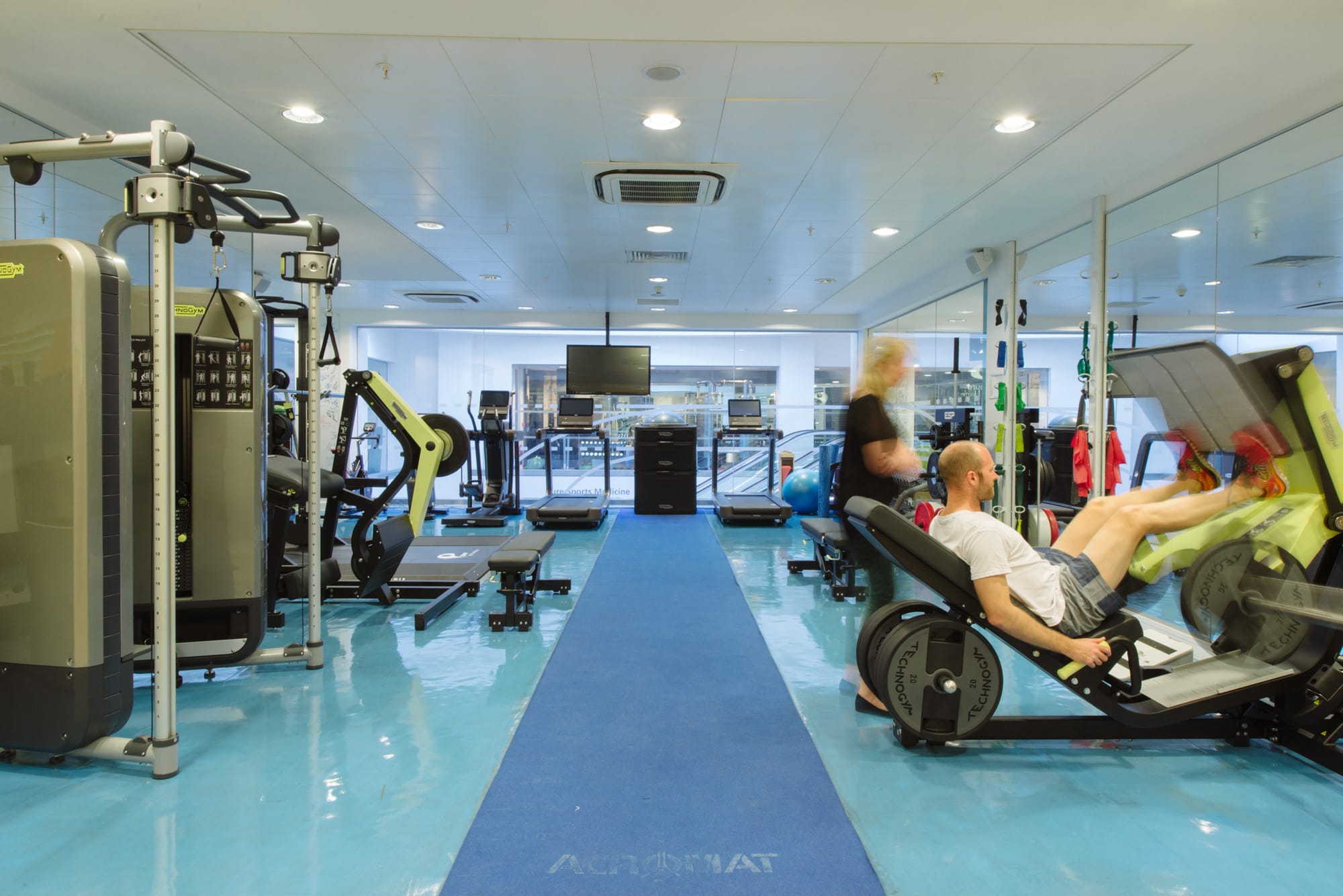
        Pure Sports Medicine Canary Wharf rehab space

        Canary Wharf

        Level 2, Cabot Place West, Canary Wharf, London E14 4QT

        Our Canary Wharf clinic is located within Cabot Place in the centre of Canary Wharf, convenient to East London, Greenwich and Blackheath. Offering both face-to-face and remote consultations.

        Opening Times

        • Monday – Thursday: 7am – 8pm
        • Friday: 7am – 6pm
        • Saturday: 9am – 3pm
        • Sunday & Bank Holidays: Closed

        Accessibility

        Lift access next to 'Yolk' on ground floor to Level 2, Cabot Place West, accessible toilet, shower and gym facilities.
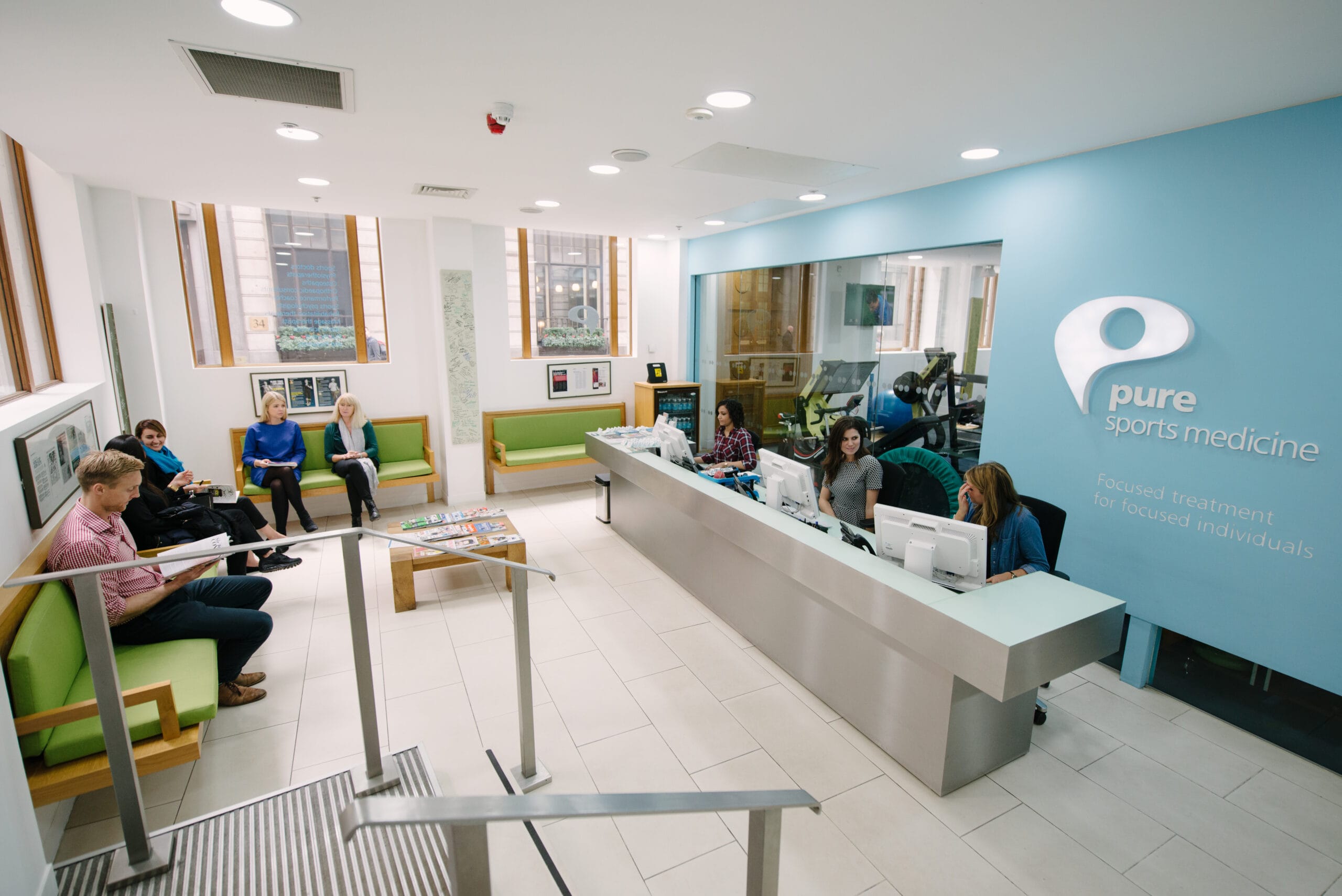
        Pure Sports Medicine Raynes Park Wimbledon waiting room and reception with 3 receptionists and patients waiting

        Bank

        41 – 47 Threadneedle Street, London EC2R 8AR

        Our Bank clinic on Threadneedle Street is located in the heart of the Square Mile, convenient to Bank, Bishopsgate, Leadenhall and Monument with extended opening hours. Offering both face-to-face and remote consultations.

        Opening Times

        • Monday – Thursday: 7am – 8pm
        • Friday: 7am – 6pm
        • Saturday: Closed
        • Sunday & Bank Holidays: Closed

        Accessibility

        Step free access via side entrance with the entire clinic on ground level, accessible toilet and shower facilities and gym area.

        Patient Stories
        Unsure if this is right for you?

        If you’re unsure whether this is the right form of treatment for you and would like to speak to a specialist to find out more, you can request a free 15-minute consultation by completing the form below.

        "*" indicates required fields

        Your Details

        Tell us about your pain or discomfort

        Medical Insurance

        This field is for validation purposes and should be left unchanged.