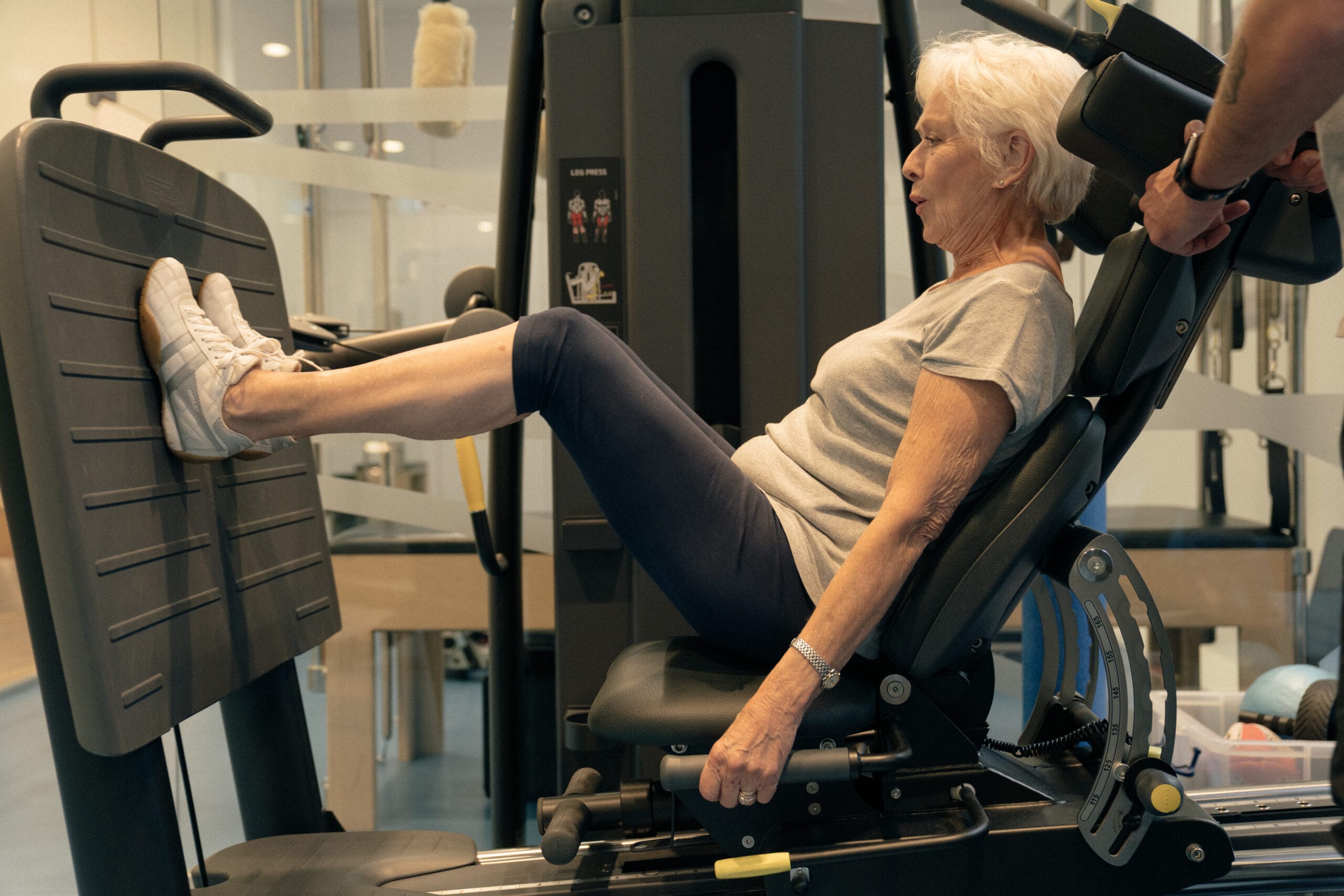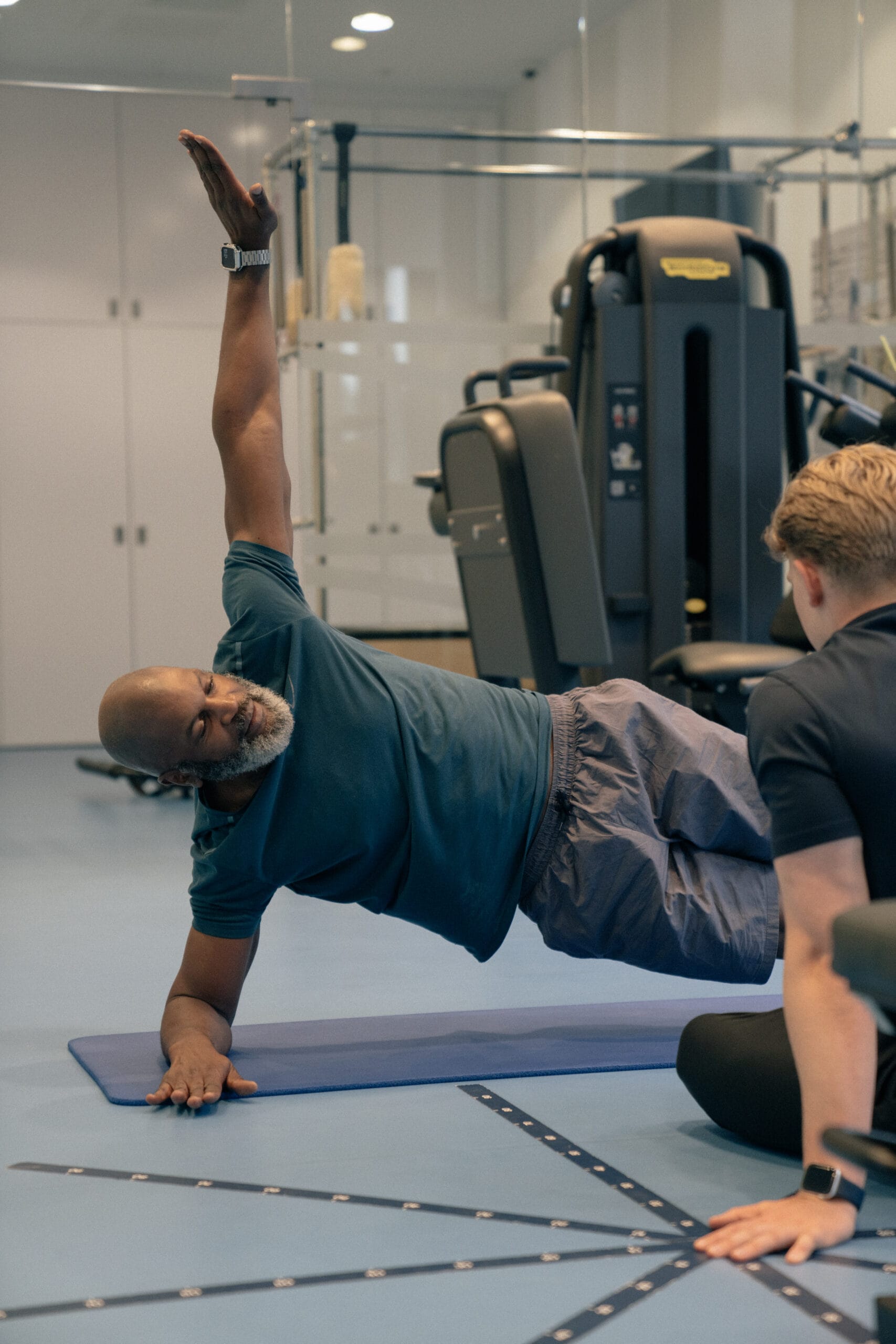




Our exercise specialists work with you to create, deliver and guide you through a personalised treatment plan that works for you, taking in to consideration your symptoms, commitments and goals.
Book a free 15-minute consultation. We’ll help you understand what may be causing the pain and provide the guidance you need to get you back to your best.
"*" indicates required fields
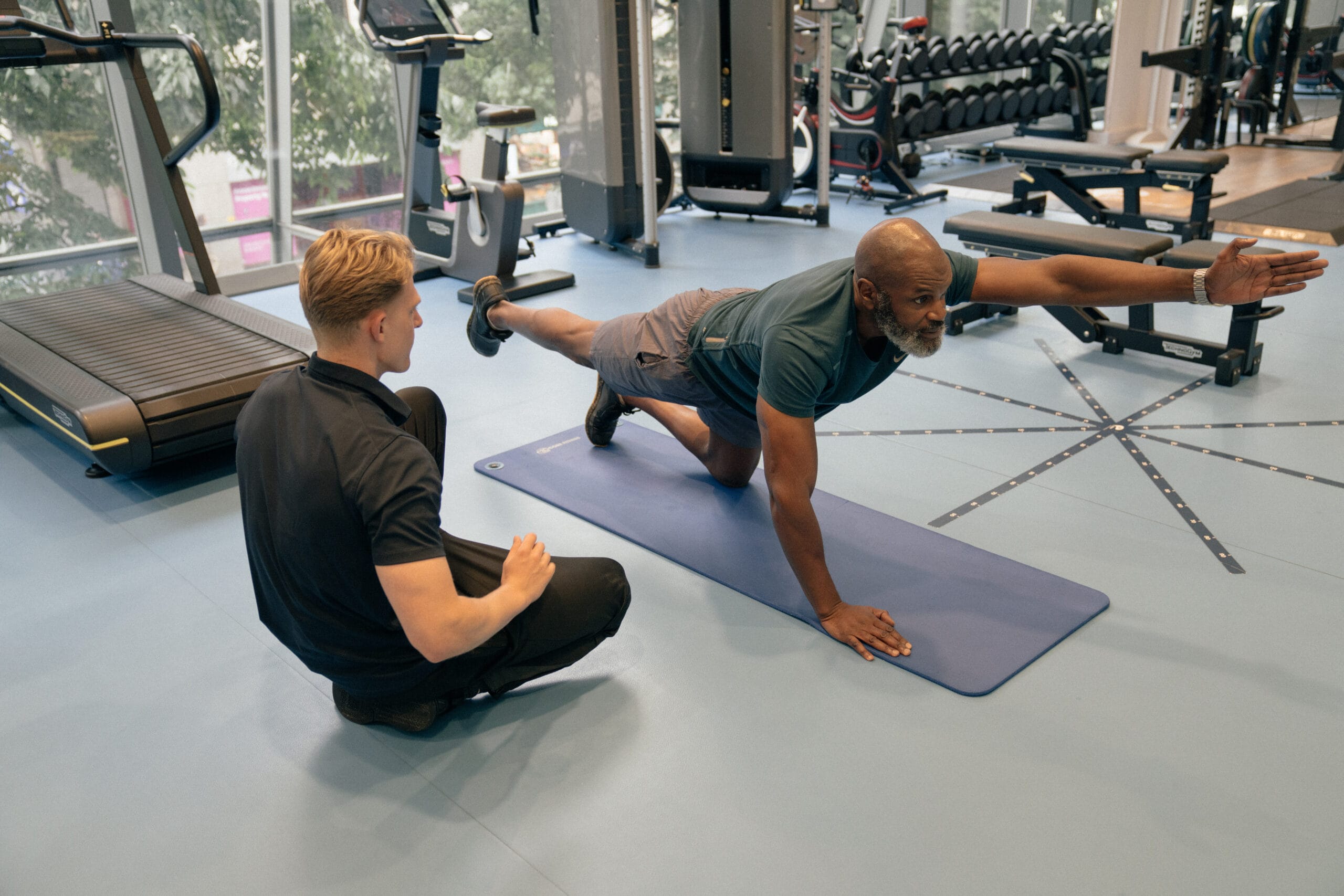
Discover how exercise medicine can support those with diabetes.

Our team of exercise specialists have the expertise and experience to help you safely kickstart your exercise journey.
When you come to see one of our team, you can expect to receive a comprehensive assessment of your health, fitness and goals, guidance on the most safe and appropriate exercise for you, and a tailored program accounting for your type of diabetes and pre-existing comorbidities, injury history, medication usage and current level of conditioning.
Contact Us
Regular exercise helps promote weight management, reductions in blood pressure, improvements in insulin sensitivity and glucose regulation, and optimisation of blood lipid profile, significantly reducing the risk of cardiovascular disease and premature death.
Despite these benefits, a significant portion of individuals with diabetes do not meet physical activity guidelines, highlighting barriers including decreased exercise capacity, risk of hypoglycaemia, and reduced self-efficacy.
Working with an Exercise Physiologist or Strength & Conditioning Coach can help overcome these barriers, helping individuals build exercise capacity and confidence in movement and mitigating the risk of hypoglycaemic and hyperglycaemic episodes through routine monitoring and specific exercise prescription.
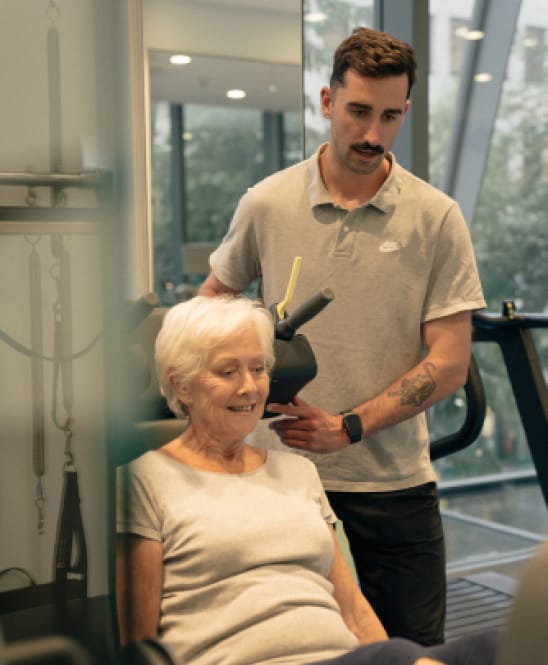
Most people benefit from low to moderate intensity aerobic and resistance training, but not all types of exercise may be suitable for you. Individuals with type 1 diabetes or those taking medications that increase insulin secretion are at risk of hypoglycaemia and regular glucose monitoring before, during and after exercise remains essential. Research shows that performing resistance training before aerobic exercise, or including short, high-intensity intervals during aerobic sessions, can help prevent blood sugar drops. Timing also matters, for some people, early morning workouts may raise rather than lower glucose levels. Choosing the right intensity is crucial, since vigorous exercise can also cause temporary blood sugar elevations. Whenever possible, supervised exercise is recommended to minimise risks and safely manage any hypoglycaemic events.
Aim to exercise on at least three non-consecutive days per week. The benefits of a single exercise session can last up to 72 hours, so keeping gaps between sessions short helps maintain steady blood glucose control.
If you have diabetes, particularly if you also have high blood pressure, heart disease, or nerve or eye complications, it’s important to get medical clearance before beginning a new exercise program. Your exercise specialist can work with your GP or endocrinologist to ensure your plan is safe and appropriate.
Yes, but exercise should be carefully tailored. For example, if you have neuropathy, lower-impact activities such as cycling or walking may be safer. If you have retinopathy, avoid high-intensity or heavy lifting that could raise eye pressure. Your exercise specialist will design a program that accommodates your condition safely.
Our exercise specialists work with you to create, deliver and guide you through a personalised treatment plan that works for you, taking in to consideration your symptoms, commitments and goals.