
Rheumatology
Our Consultant Rheumatologists are specialists in the diagnosis, treatment and management of arthritis and other musculoskeletal problems.

Rheumatology involves the investigation, diagnosis and management of arthritis and other musculoskeletal problems, such as back ache, stiff joints and more complex inflammatory conditions.
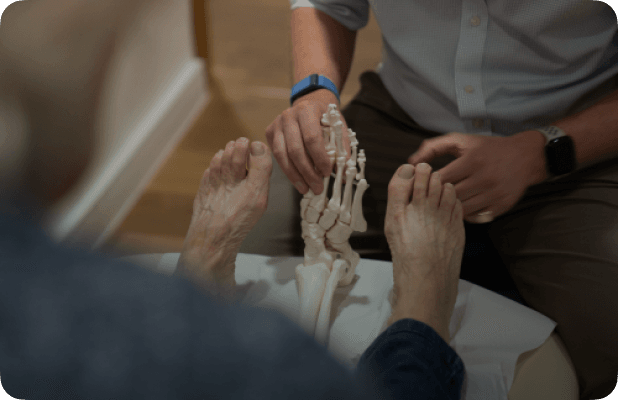
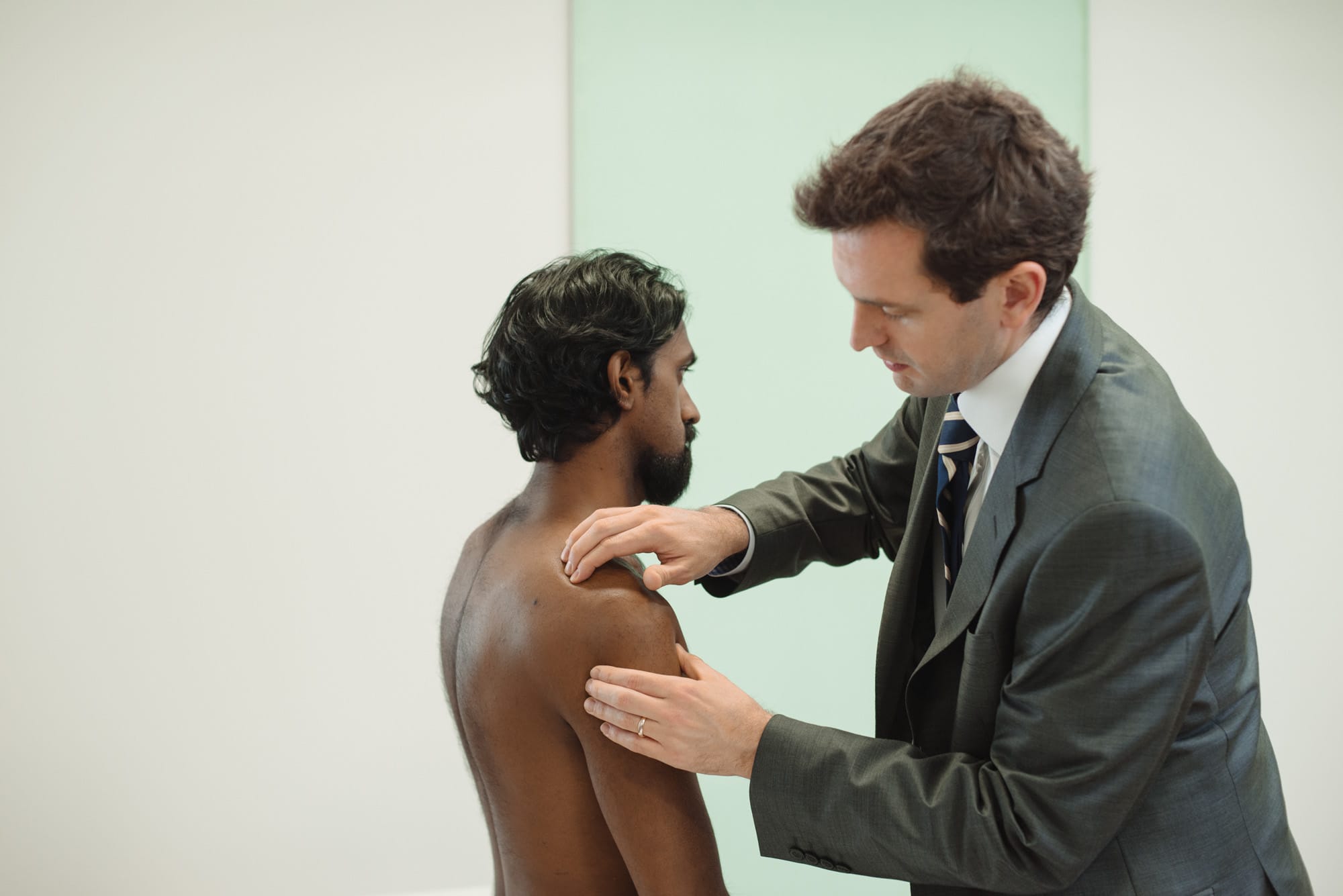
During your appointment, our Consultant Rheumatologist will take your medical history and perform a thorough assessment and examination in order to determine a diagnosis. Once a diagnosis is reached, you will be given a personalised treatment plan.
If further investigation is required, you may be referred for blood tests and diagnostic imaging, such as MRI or ultrasound.
Book an appointmentOur Rheumatology Team


Pricing and Appointments
- Initial Consultation (40 mins) – £360
- Follow-up Consultation (25 mins) – £260
Treatment may include:
Rheumatological medications are used to manage inflammatory and autoimmune conditions such as rheumatoid arthritis and ankylosing spondylitis. These medications help reduce pain, swelling, and joint damage while improving mobility and quality of life. Common treatments include nonsteroidal anti-inflammatory drugs (NSAIDs), corticosteroids, disease-modifying antirheumatic drugs (DMARDs), and biologic therapies. Proper medication management, often in combination with Physiotherapy and lifestyle modifications, can help control symptoms and prevent disease progression.
Combining Rheumatology with Physiotherapy and Osteopathy provides a holistic approach to managing musculoskeletal and autoimmune conditions such as rheumatoid arthritis, osteoarthritis, and fibromyalgia. Rheumatological treatments help control inflammation and pain, while Physiotherapy focuses on improving mobility, strength, and function through targeted exercises.
Osteopathy complements this by addressing joint alignment, soft tissue health, and overall musculoskeletal balance. This integrated approach enhances pain relief, promotes movement, and supports long-term joint health and overall well-being.
Rheumatology combined with exercise prescription offers a comprehensive approach to managing inflammatory and musculoskeletal conditions such as arthritis and lupus. Regular, tailored exercise helps improve joint mobility, reduce stiffness, and enhance muscle strength, supporting overall function and reducing pain. Our Rheumatologists work alongside our Physiotherapists and exercise specialists to develop safe, personalised programmes that accommodate individual needs while minimising flare-ups. This integrated approach promotes long-term joint health, mobility, and overall well-being.
Rheumatological injections are used to reduce pain, inflammation, and stiffness in joints affected by conditions such as rheumatoid arthritis, osteoarthritis, and gout. These injections may include corticosteroids, hyaluronic acid, or biologic therapies, depending on the condition being treated. Administered directly into the affected joint or soft tissue, they provide targeted relief and can help improve mobility and function. When combined with physiotherapy and lifestyle modifications, rheumatological injections can be an effective part of a comprehensive treatment plan.
Making lifestyle changes alongside rheumatology can help manage chronic inflammatory and autoimmune conditions such as arthritis and lupus. Healthy lifestyle choices, including regular exercise, a balanced diet, weight management, and stress reduction, can help reduce inflammation, improve joint function, and enhance overall well-being. Avoiding smoking, prioritising sleep, and maintaining an active lifestyle complement medical treatments and support long-term joint health. By integrating lifestyle modifications with care for rheumatological conditions, individuals can better manage symptoms and improve their quality of life.
Rheumatology and nutrition are closely linked, as a well-balanced diet can help manage inflammation, support joint health, and improve overall well-being in conditions like rheumatoid arthritis and lupus. Anti-inflammatory foods such as fatty fish, fruits, vegetables, whole grains, and healthy fats can help reduce symptom severity, while avoiding processed foods and excess sugars may prevent flare-ups. Proper nutrition also supports bone density, muscle strength, and immune function. Our rheumatologists work closely with our dieticians and nutritionists to develop a tailored diet plan that can complement medical treatments and enhance quality of life.
Your body is your most important investment, and it deserves more. Make sure you get the care and treatment your individual case requires.

-

Work with a dedicated team in our specialist clinics, tailored to meet your specific needs and goals.
-

We combine over 1,000 years of expert experience and rheumatology research in musculoskeletal healthcare and elite sport.
-

We are covered by all major insurers and also offer flexible self-pay options for added convenience.
Interview with Dr John Etherington

Your Journey with Pure
Everything we do is personalised to you. Whether your goal is to run a marathon or simply walk up the stairs comfortably, we’ll deliver the correct diagnosis and tailored treatment you need to get there so that you can perform at your best and prevent reoccurrence.


A Consultant Rheumatologist can help with a number of issues including:
- Inflammatory arthritis — including Rheumatoid Arthritis, Ankylosing Spondylitis, Psoriatic Arthritis and Reactive Arthritis
- Osteoarthritis
- Connective Tissue Disease
- Joint, bone and muscle pain, stiffness, swelling and inflammation
- Generalised pain
- Bone disorders
- Back pain
Frequently asked questions
Rheumatology is a medical specialty that focuses on diagnosing and treating conditions related to joints, muscles, and bones. It is important because these conditions can significantly impact a person’s quality of life and mobility.
If you are experiencing persistent joint pain, swelling, stiffness, or any other symptoms related to the musculoskeletal system, it is advisable to consult a rheumatology specialist. They are trained to accurately diagnose and treat various rheumatic conditions.
Yes, making certain lifestyle changes can help manage rheumatic conditions. These may include maintaining a healthy diet, regular exercise, managing stress levels, getting enough rest, and following the treatment plan recommended by your rheumatologist. It is always advisable to discuss any lifestyle changes with your them.
During your initial consultation with a private rheumatologist in London, you can expect a thorough medical history review, physical examination, and possibly additional diagnostic tests such as blood work or imaging studies. The rheumatologist will work with you to develop a personalised treatment plan tailored to your specific condition.
Physiotherapists in sports medicine focus on restoring movement, strength, and performance after injuries, using exercises, stretches, manual therapy, and rehab programs to prevent re-injury. Chiropractors focus on spinal and joint alignment, using manual adjustments to relieve pain, improve mobility, and optimise the body’s mechanics.