Hand & Wrist Physiotherapy
Our team of experienced hand and wrist specialists in London can assist in the diagnosis and treatment of hand and wrist injuries, including both acute trauma and chronic conditions.
Select your appointment type
Start by selecting your appointment type.

Our Hand and Wrist clinic, located across London, consists of a team of experienced specialists working together to assist in the accurate diagnosis and immediate treatment of hand and wrist injuries, that is best for you.
This includes acute trauma such as fractures, ligament tears, tendon ruptures, pulley and muscle injuries. As well as more chronic conditions such as non-specific arm pain, work related upper limb disorders and overuse injuries.
The latest research evidence for managing CRPS and other persistent pain states are also utilised. The unit has close links with external hand and peripheral nerve injury Surgeons, Musculoskeletal Radiologists, Pain Medicine Specialists and Neurophysiologists. Discover one of our clinics for hand physiotherapy London and other services.
Book an appointmentHand & Wrist Specialists









Pricing
- Initial Consultation (60 mins) – £181
- Follow-up Consultation (30 mins) – £122
- Extended Follow-up Consultation (60 mins) – £206
Commonly treated
Hand & Wrist injuries include:
Finger and wrist fractures are common injuries resulting from falls, direct impacts, or sports-related trauma. These fractures can cause pain, swelling, bruising, and difficulty moving the affected hand. Treatment depends on the severity and may include splinting, casting, or, in severe cases, surgery to realign the bones. Rehabilitation through physiotherapy helps restore strength, mobility, and function after healing. Early diagnosis and proper care are crucial to prevent long-term stiffness or complications.
Joint dislocation and sprains are injuries that affect the stability and function of a joint. A dislocation occurs when bones are forced out of their normal position, causing severe pain, swelling, and loss of movement. Sprains involve the stretching or tearing of ligaments, often due to sudden twists or impacts, leading to pain, bruising, and joint instability. Treatment typically includes rest, ice, compression, and elevation (RICE), along with physiotherapy to restore strength and mobility. Severe cases may require medical intervention to realign the joint or repair damaged ligaments.
Repetitive Strain Injury (RSI) is a condition caused by repetitive movements, overuse, or prolonged poor posture, leading to pain, stiffness, and inflammation in muscles, tendons, or nerves. Commonly affecting the hands, wrists, shoulders, and elbows, RSI is often seen in office workers, athletes, and manual labourers. Treatment includes rest, physiotherapy, ergonomic adjustments, and strengthening exercises to relieve pain and prevent further strain. Early intervention is key to managing symptoms and avoiding long-term damage.
Dorsal wrist impingement is a condition where the tissues on the back of the wrist become pinched between the bones during movement, causing pain, swelling, and discomfort, especially when extending the wrist. It often results from repetitive wrist motions, overuse, or previous injuries. Treatment typically includes rest, bracing, physiotherapy, and strengthening exercises to reduce inflammation and improve mobility. In severe cases, medical intervention may be needed to relieve persistent symptoms.
Trigger finger is a condition where a finger or thumb gets stuck in a bent position and then suddenly snaps straight, often causing pain and stiffness. It occurs when the tendon sheath in the finger becomes inflamed or thickened, restricting smooth movement. Common in individuals who perform repetitive gripping tasks, treatment options include rest, splinting, physiotherapy, corticosteroid injections, or, in severe cases, surgery. Early intervention can help restore normal finger function and prevent worsening symptoms.
Carpal tunnel syndrome is a condition caused by compression of the median nerve as it passes through the wrist, leading to numbness, tingling, weakness, and pain in the hand and fingers. It often develops due to repetitive hand movements, prolonged wrist flexion, or underlying conditions like arthritis. Treatment includes wrist splinting, physiotherapy, ergonomic adjustments, and, in severe cases, corticosteroid injections or surgery to relieve pressure on the nerve. Early intervention can help prevent worsening symptoms and improve hand function.
De Quervain’s Tenosynovitis is a painful condition affecting the tendons on the thumb side of the wrist, causing pain, swelling, and difficulty gripping or twisting the wrist. It often results from repetitive hand movements, overuse, or strain, commonly seen in new parents, athletes, and manual labourers. Treatment includes rest, splinting, physiotherapy, anti-inflammatory medications, and in some cases, corticosteroid injections or surgery. Early management helps reduce pain and restore normal wrist function.
Complex Regional Pain Syndrome (CRPS) is a chronic pain condition that typically affects an arm or leg after an injury, surgery, or trauma. It is characterised by intense pain, swelling, changes in skin colour and temperature, and hypersensitivity in the affected area. The exact cause is unclear, but it involves abnormal nerve responses and inflammation. Treatment includes physiotherapy, pain management, medications, and in some cases, nerve blocks to improve function and reduce symptoms. Early intervention is crucial to prevent long-term disability.
Neural irritation occurs when a nerve becomes inflamed or compressed, leading to symptoms such as pain, tingling, numbness, or weakness in the affected area. It can result from poor posture, repetitive movements, injury, or conditions like herniated discs or nerve entrapment. Treatment typically includes physiotherapy, posture correction, stretching, and strengthening exercises to relieve pressure on the nerve. In some cases, medication or medical intervention may be needed to manage symptoms and restore normal nerve function.
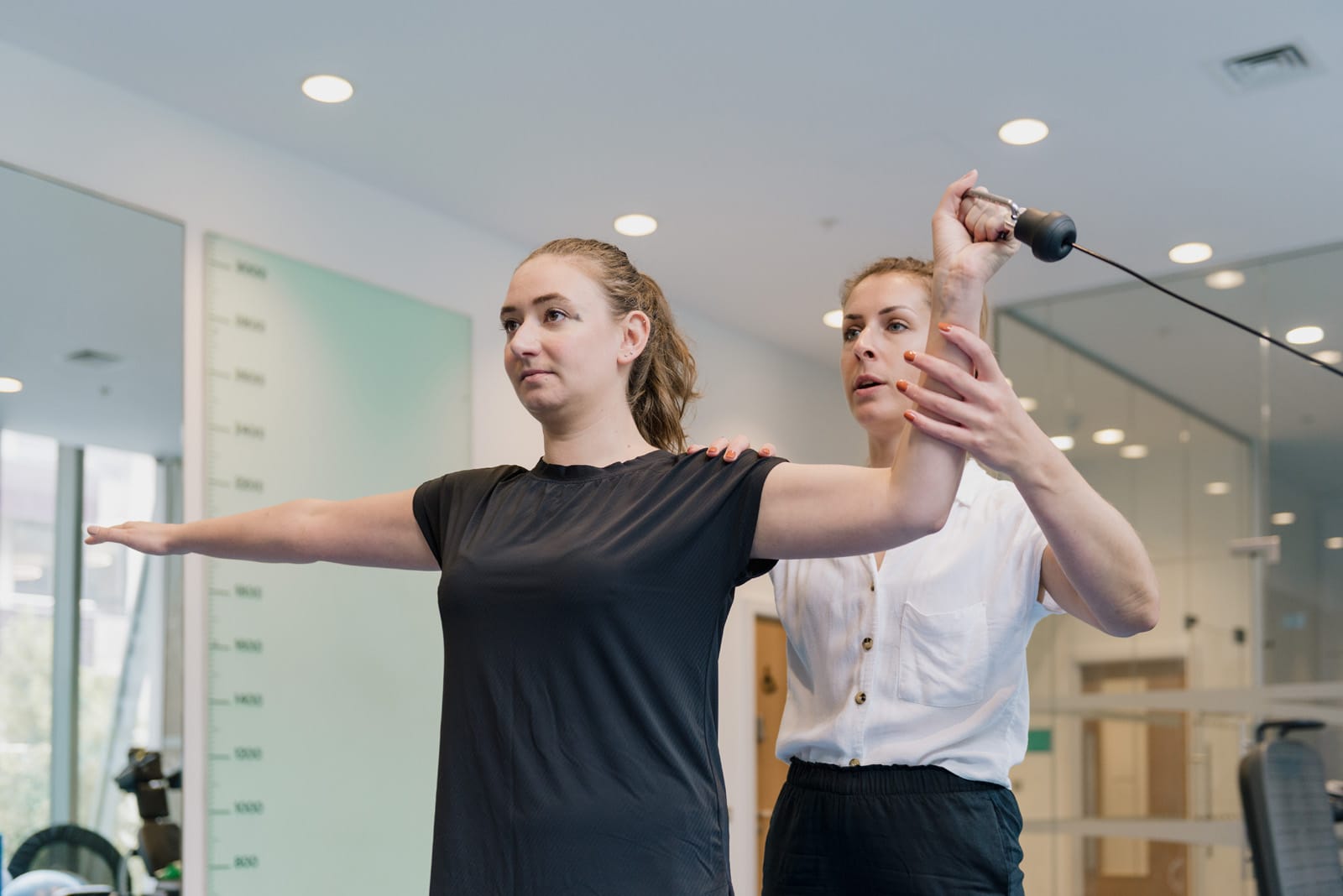
Our London hand physiotherapy services can offer treatments such as:
- Thermoplastic & EXOS splinting for acute fractures and injuries
- Imaging investigations
- Ultrasound-guided injections
- Functional/sport specific rehabilitation
- Acupuncture
- Massage therapy
Your body is your most important investment, and it deserves more. Make sure you get the care and treatment your individual case requires.

-

Work with a dedicated team of specialists, tailored to meet your specific needs and goals.
-

We combine over 1,000 years of expert experience in musculoskeletal healthcare and elite sport.
-

We are covered by all major insurers and also offer flexible self-pay options for added convenience.
The Pure Experience Overview

Your Journey with Pure
Everything we do is personalised to you. Whether your goal is to run a marathon or simply walk up the stairs comfortably, we’ll deliver the correct diagnosis and tailored treatment you need to get there. Ensure you can perform at your best and prevent recurrence.


Frequently Asked Questions
Physiotherapy is a non-invasive treatment that safely eases pain in your muscles, joints, tendons, and ligaments and helps to improve mobility by strengthening the muscles, helping you to get back to doing what you love best.
Physiotherapy is commonly sought if your pain worsens during everyday activities, your pain won’t go away, or is recurring. Hand and Wrist Physiotherapy is also vital for those with recent sports-related injuries which may require treatment, or who require effective pain management post surgery.
An initial appointment with a Physiotherapist begins with a thorough assessment of your symptoms, medical history, and lifestyle factors, alongside an evaluation that includes looking at your movement, strength, and overall function, as well as a hands-on examination to assist in the diagnosis of your issue. Based on this, a personalised treatment plan is created to address your specific needs and goals. Treatment may include exercises, manual therapy, and patient education. Follow-up sessions focus on tracking your progress, making adjustments to your plan as needed, and helping you achieve a full recovery while preventing future issues.
Appointments with a hand Physiotherapist are ideal for individuals experiencing pain, stiffness, or movement difficulties that affect daily activities or sporting hobbies. Physiotherapy is beneficial for those recovering from injury or surgery, dealing with chronic pain, muscle strains, joint discomfort, or sports-related injuries. It’s also a great option if you’re looking to improve mobility, posture, or overall physical function, or if you need guidance on injury prevention and performance enhancement. Seeking physiotherapy early can help prevent further complications and speed up recovery.
An initial consultation takes an hour, and follow-up appointments are typically 30 minutes. Extended follow-up consultations are also available if necessary. We also offer a free 15-minute consultation to allow you to understand if a full appointment is required before claiming on your insurance or self-paying.
Physiotherapists and Osteopaths both treat musculoskeletal issues, but use different approaches. Physiotherapists focus on improving movement, strength, and function through exercises, manual therapy, and patient education, often addressing injuries, pain, and rehabilitation. Osteopaths take a holistic approach, using hands-on techniques like stretching and massage to improve the body’s overall function and address both symptoms and underlying causes of pain. Both aim to relieve pain and improve mobility, but Physiotherapists focus more on rehabilitation, while Osteopaths consider the whole body’s balance.
Physiotherapists and Chiropractors both treat musculoskeletal issues, but with different approaches. Physiotherapists use exercises, manual therapy, and education to improve movement, strength, and function for a wide range of conditions. Chiropractors focus on diagnosing and treating spinal and joint problems, often using manipulation techniques to help with pain.
Yes, you can refer yourself to a Physiotherapist. It is always wise to have an initial appointment to understand what might be the cause of your pain or discomfort, what you might be dealing with, and how to treat it. If further investigation is required, we will refer you to one of our Consultant Specialists who will perform a range of diagnostic methods including ultrasound. We also refer out for MRI scans and further tests should they be required.
Yes, seeing a Physiotherapist for pain is very beneficial. Physiotherapists are trained to assess and treat various types of pain, injuries, and post-surgery recovery. They use evidence-based treatments such as manual therapy, exercises, and education to help reduce pain, improve movement, and prevent future issues. If necessary, Physiotherapists can also refer you to the appropriate consultants for further investigations, medications, or medical interventions.