


Understanding Endometriosis: Symptoms, Causes & Treatment

Dr Linia Patel
Women’s Health Dietitian & Performance Nutritionist
- 10 July, 2025
- endometriosis
- Women's Health
- Diet & Nutrition
- 6 min read
Learn about endometriosis symptoms, causes, and specialist treatment options to manage pain and improve your wellbeing at our expert London clinics
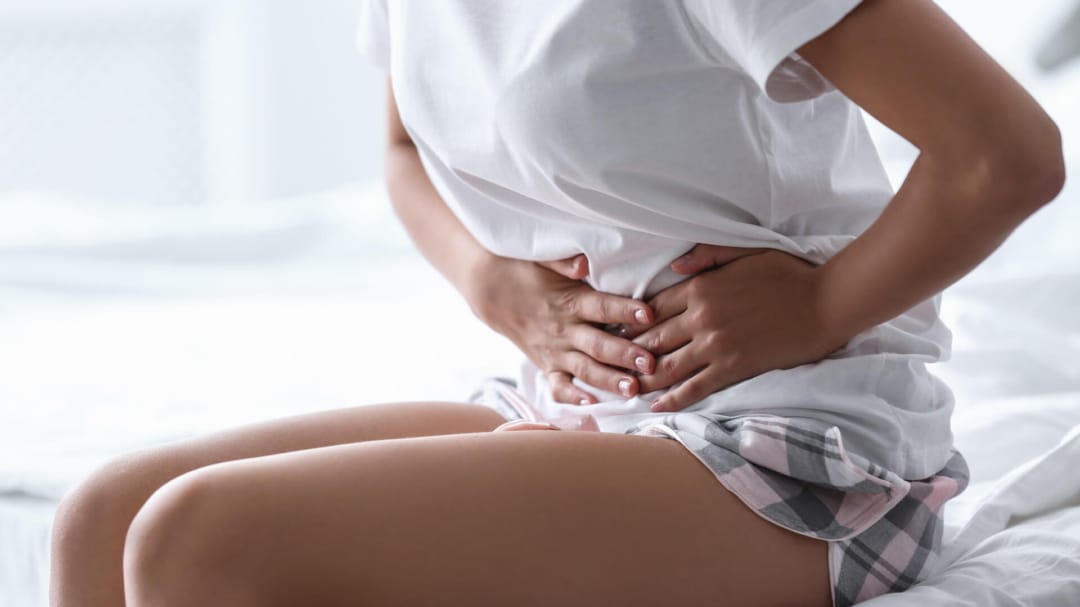
Endometriosis, a chronic and often debilitating condition affecting millions of women worldwide…
Endometriosis is a complex disorder characterised by the growth of endometrial tissue outside the uterus, resulting in pain, inflammation and potential fertility issues. Despite its prevalence, the condition remains widely misunderstood and frequently undiagnosed.
For many, endometriosis is more than just a medical condition – it is a daily struggle that impacts work, relationships, and overall quality of life. The unpredictability of symptoms, including chronic pain, fatigue, and mood changes, can make everyday tasks feel overwhelming. Dietitian Dr Linia Patel explains: “Symptoms tend to be worse around menstruation and often include fatigue, bloating, increased period pain, and potential fertility challenges if left untreated.” Moreover, the condition’s unpredictability can result in feelings of frustration and isolation.
This article provides expert insights into endometriosis, helping you understand its causes, symptoms, treatments, and how to better manage the condition.
What causes endometriosis?
There is no single known cause of endometriosis, but several factors may contribute to its development:
- Retrograde menstruation: some of the womb lining (endometrium) flows backwards through the fallopian tubes into the abdomen instead of leaving the body, where the tissue implants itself on organs in the pelvis.
- Genetics: A family history of endometriosis can increase the likelihood of developing the condition.
- Immune system factors: the body’s immune system may fail to recognise and remove endometrial-like tissue growing outside the uterus.
- Circulatory spread: endometriosis cells might travel through the bloodstream or lymphatic system to other parts of the body.
- Metaplasia: a process in which one type of cell changes into another, potentially causing the formation of endometrial-like tissue outside the uterus.
What are the symptoms of endometriosis?
Endometriosis can manifest differently in each person, with some experiencing no symptoms at all. However, common symptoms include:
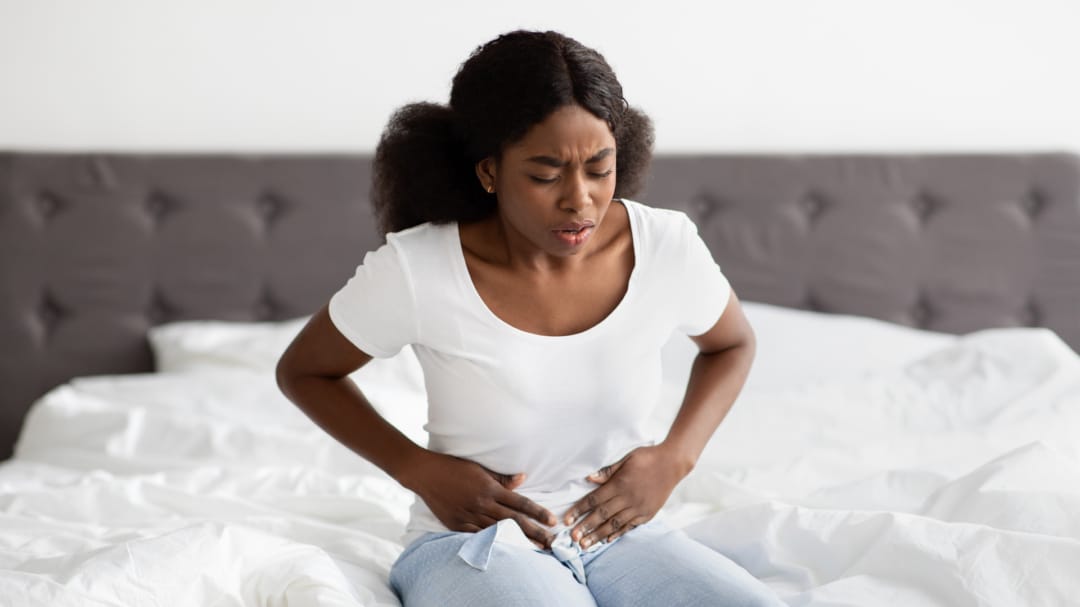
- Severe menstrual pain (dysmenorrhea)
- Chronic pain: Abdominal and pelvic pain, pain during ovulation, during or after intercourse, during an internal examination and during or after sex
- Pain when going to the toilet
- Abnormal or heavy menstrual bleeding
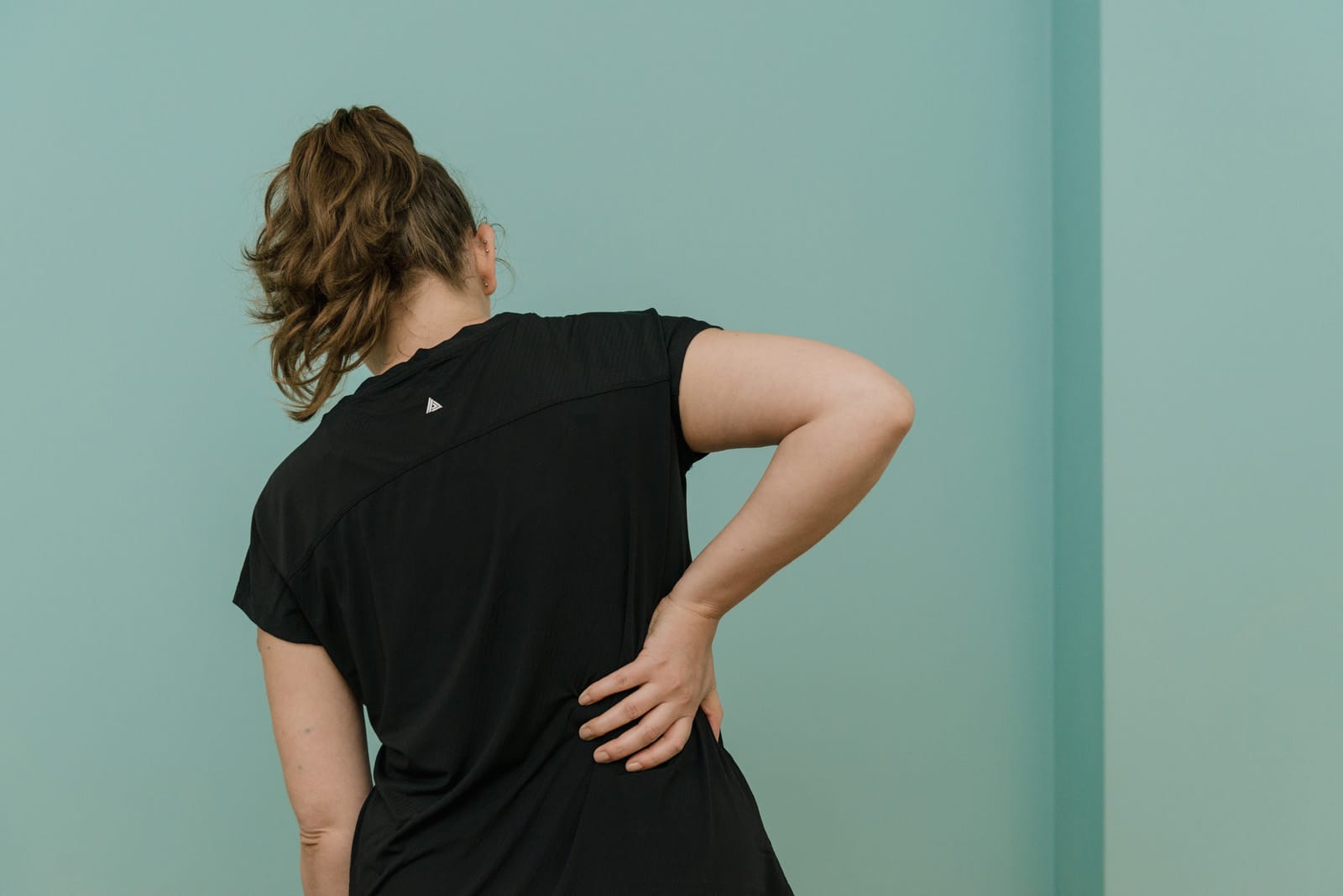
- Lower back or sacral pain, hip or thigh pain
- Digestive issues such as diarrhoea, constipation, or bloating
- Infertility or difficulty conceiving
- Chronic fatigue or lack of energy, which can make usual activities challenging
- Depression/isolation: In some cases, physical symptoms restrict them
- Problems with sex life and relationships due to potential pain, low sex drive and worry related to sex
- Difficulties conceiving: impacting the natural ability to conceive and causing emotional distress
- Difficulty keeping up with work and social commitments from decreased energy levels, which link to focus and reliability
Dr Sarah Rollins adds, “Despite being a Women’s Health Musculoskeletal (MSK) specialist myself, it is important to recognise that making a diagnosis of MSK pain caused by endometriosis is difficult. Tests for the back or hip joint, for example, may yield positive results, even when endometriosis is the underlying cause. This is why careful patient listening is crucial – asking the right questions (which is often missed), conducting the right examination, and interpreting the findings appropriately. Obtaining the appropriate imaging and maintaining a high index of suspicion, particularly in women of the right age who continue to present persistent symptoms despite standard MSK care, is essential for accurate diagnosis.”
How is endometriosis diagnosed?
Seeking a diagnosis for endometriosis can be a long process, with many experiencing delays of more than seven years. This prolonged wait stems partly from the common normalisation of period-related pain, alongside a lack of awareness among healthcare providers regarding the condition’s symptoms and diagnostic criteria, as well as ongoing societal stigma around gynaecological conditions.
Previously, laparoscopic surgery was considered the definitive way to diagnose endometriosis. However, recent guidelines recommend a non-surgical diagnosis based on symptoms, physical examinations, and imaging techniques such as ultrasound or MRI. A pelvic examination can help assess pain points and identify any abnormalities, which can aid in further investigation and treatment.
How can I manage chronic pain and fatigue resulting from endometriosis?
Managing endometriosis requires a multifaceted approach that combines lifestyle changes with medical support.
Physical activity
Exercise plays a crucial role in managing endometriosis symptoms. Low-impact activities like walking, swimming, and yoga can help reduce pain and improve overall wellbeing.
“Being fit and strong can help women face health issues with more resilience and can empower women to be more mindful of the strength of their own bodies, which allows them to feel like they are in more control and have greater self-efficacy,” states Dr Rollins.
Adapting workouts based on pain levels and symptoms also allows for a sustainable approach to fitness, while minimising discomfort or risk of long-term injuries. Many women find relief and support by joining sports communities, fostering solidarity and reducing feelings of isolation, in that they are not alone.
Diet and nutrition
Enhancing overall wellbeing and effectively managing endometriosis symptoms hinges greatly on prioritising nutrition. Embracing an anti-inflammatory diet, rich in fruits, vegetables, whole grains, and omega-3 fatty acids, has been found to help alleviate symptoms, while steering clear of triggers such as caffeine and alcohol can play a key role in symptom mitigation.
Establishing a consistent sleep routine, creating a positive sleep environment, and practising relaxation techniques before bedtime also ensures much-needed rest.
“While you can’t cure endometriosis with specific foods, your diet can be a great tool for the management of the symptoms,” explains expert Nutritionist, Clemence Cleave. “Opting for a diet rich in plant-based foods and omega-3s may help reduce chronic inflammation, a well-known driver of endometriosis.”
Lifestyle Tips to Complement the Diet
A healthy lifestyle goes together with good nutrition when managing endometriosis.
- Stay Active: Regular, low-impact exercise like swimming, yoga, or Pilates can reduce inflammation, improve mood, and alleviate pain.
- Prioritise Sleep: Aim for consistent, quality sleep. For those with disrupted sleep due to endometriosis, magnesium-rich foods like spinach or almonds, as well as melatonin supplements, can support better rest.
- Manage Stress: Incorporate mindfulness, meditation, or gentle stretching into your routine to reduce stress.
When managing chronic inflammation, we often focus on which foods to add to our plate. “However, we sometimes overlook the fact that digestion and inflammation are also influenced by other lifestyle factors, such as physical activity, sleep, and stress management,” notes Clem.
What are the available treatment options?
The cause of endometriosis is not fully understood, and no definitive treatment currently exists. At Pure Sports Medicine, we offer a range of treatments to support individuals with endometriosis:
Physiotherapy
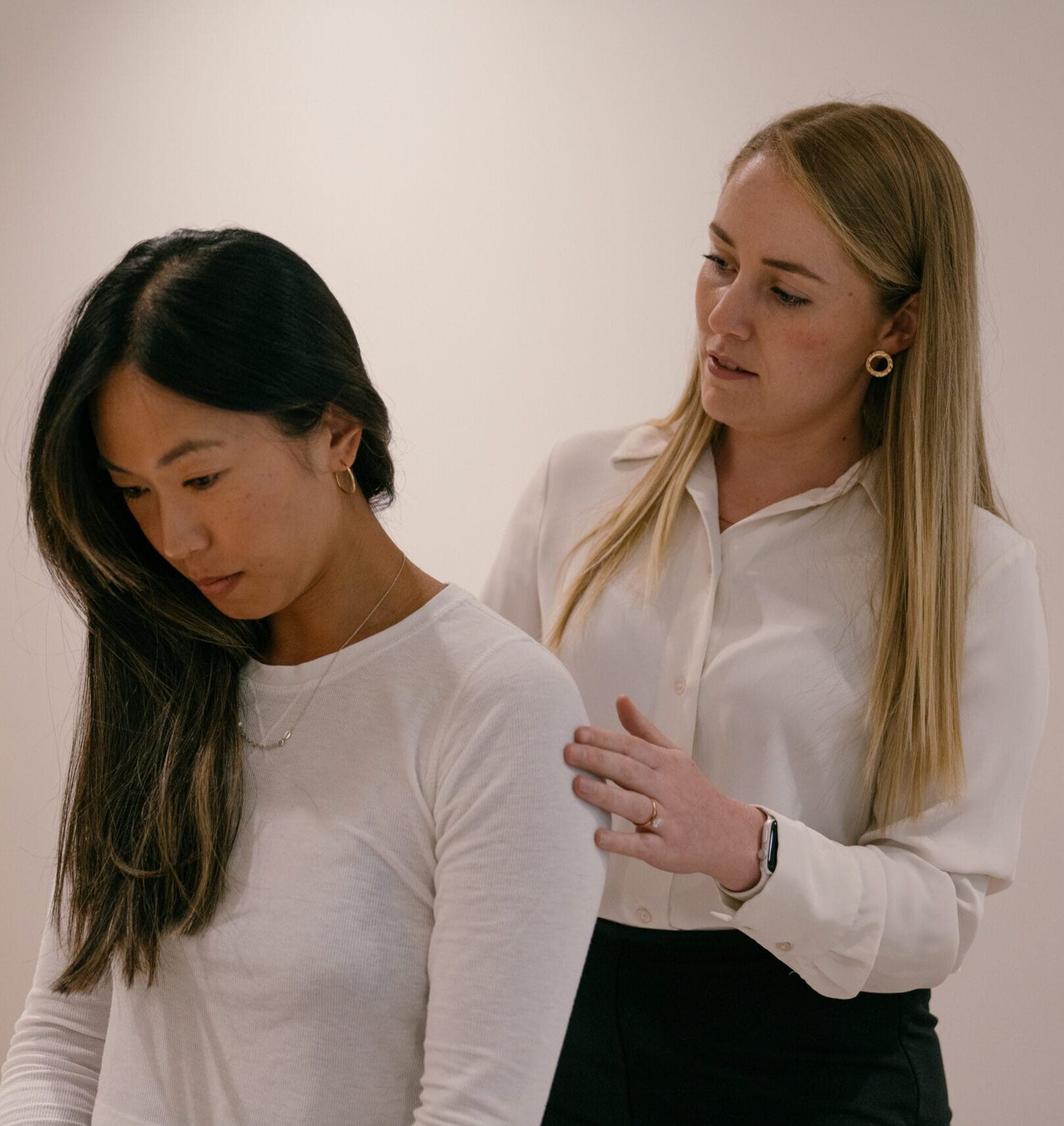
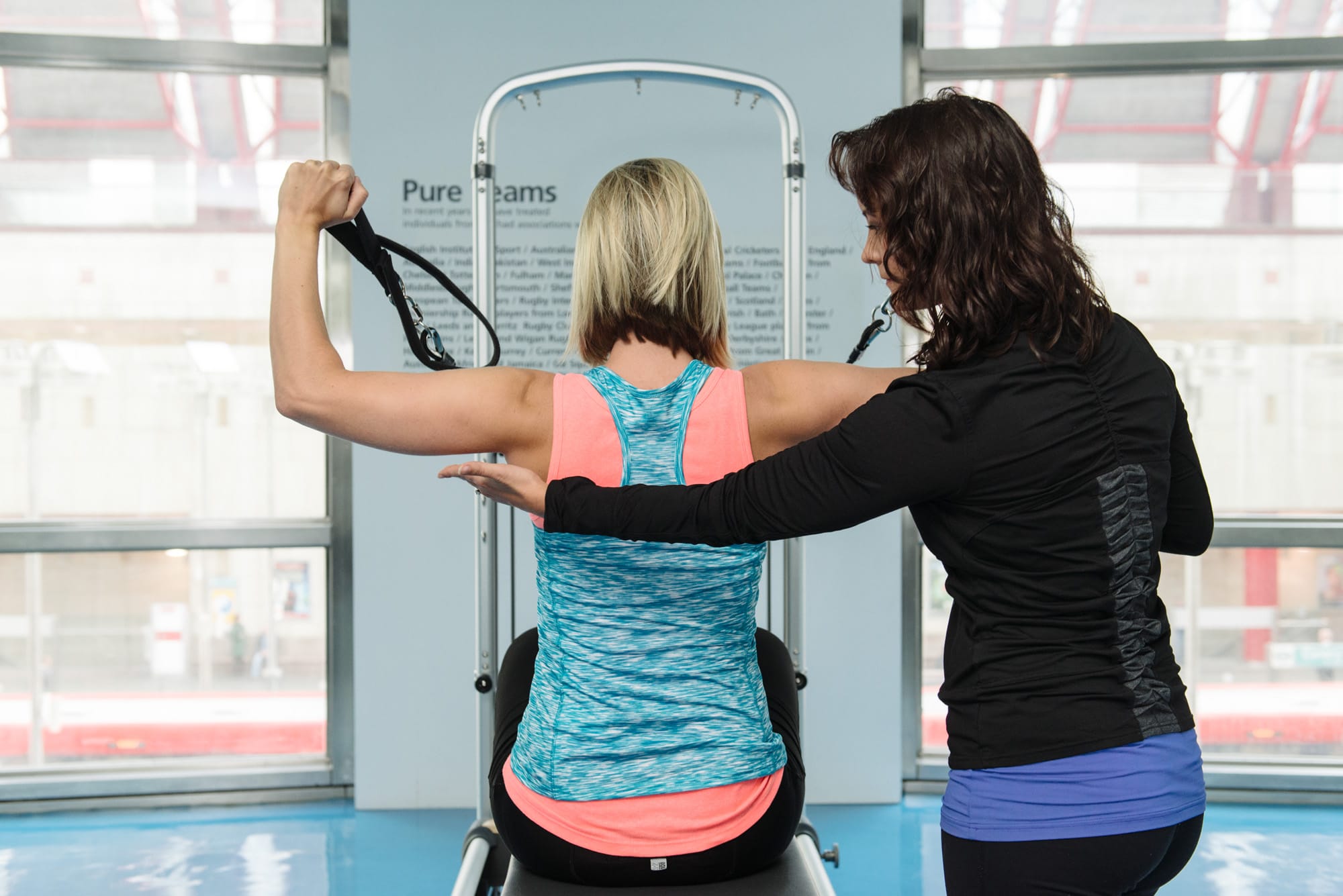
Our expert Physiotherapists can help to provide an accurate diagnosis and will work with you to develop a tailored programme to deliver effective pain management, from reducing pelvic, lower back and hip pain to alleviating muscle tension and improving blood flow. Our expert team can also offer pelvic floor exercises and tailored mobility exercises to restore movement and reduce pain.
Osteopathy
Our Osteopaths focus on hands-on treatment to restore musculoskeletal function, incorporating techniques such as joint mobilisation, dry needling, and acupuncture to improve circulation and relieve pain.
Pain Management
Through our Pain Management programme, our Consultants work with you to create individualised plans aimed at reducing your pain, enabling rehabilitation and enhancing your quality of life. A comprehensive pain treatment plan may include medications, injections, rehabilitation exercises, including Pilates, alongside other treatments to improve cardiovascular fitness and make stronger, good quality muscles, both of which can reduce whole body inflammation.
Medical Treatments
For those requiring additional medical support, the following may be beneficial:
- Nonsteroidal Anti-Inflammatory Drugs (NSAIDs): help reduce pain and inflammation
- Hormonal Therapy: oral contraceptive pills, ovarian cycle suppression hormones (GnRH antagonists), or progestogens can help to suppress endometrial growth. HRT can also be considered alongside ovarian suppression to protect bone health.
- Nerve Block Injections: used for severe pain that does not respond to other treatments.
- Surgical Options: laparoscopic surgery to resect/ablate endometrial lesions, but recurrence is possible. In severe cases, a bilateral oophorectomy (removal of both ovaries) and hysterectomy may be considered. Removing the ovaries is essential, as retaining them would allow endometrial deposits to continue cycling, potentially causing ongoing pain.
See more at Endometriosis UK.
Our multidisciplinary focus
Living with endometriosis requires a personalised, multidisciplinary approach that addresses both the physical and emotional aspects of the condition. Support from healthcare professionals, family, friends, and online communities is therefore essential. Advocacy organisations, peer support groups, and sports clinics offer invaluable resources and solidarity for those affected by the condition.
By raising awareness, promoting education, and offering a holistic approach to wellness, we can empower individuals with endometriosis to lead fulfilling lives. We are committed to providing expert care, long-term support, and a community of understanding for those navigating this challenging condition.
Are you looking for help to manage the symptoms of endometriosis? Get in touch today to see how we can help.
FAQs
Can endometriosis cause back, hip, or leg pain?
Yes. Endometrial tissue can cause inflammation that affects the nerves and muscles of the pelvis. This often manifests as referred pain in the lower back, hips, or even down the thighs. Because these symptoms mimic standard sports injuries, it is crucial to see a specialist who understands the link between Women’s Health and Musculoskeletal (MSK) medicine.
How does Physiotherapy help with a gynaecological condition?
Physiotherapy for endometriosis focuses on the pelvic floor and surrounding musculature. Chronic pain often leads to “guarding,” where muscles in the pelvis and abdomen become tight and restricted. Our specialists use manual therapy and tailored exercises to restore movement, improve blood flow, and alleviate the physical tension that exacerbates pain.
Can I still exercise during a flare-up?
Yes, and it is often encouraged. While high-intensity training might be too much during a flare-up, low-impact movement like yoga, swimming, or walking can stimulate endorphins (natural painkillers) and improve mood.
Related Posts


Advice
Over the last 20+ years our experts have helped more than 100,000 patients, but we don’t stop there. We also like to share our knowledge and insight to help people lead healthier lives, and here you will find our extensive library of advice on a variety of topics to help you do the same.
OUR ADVICE HUBS See all Advice Hubs