


Are You Marathon Ready?

Dawn Nunes
Advanced Practitioner Physiotherapist
- 21 April, 2026
- Running
- 6 min read
With race day getting ever closer, marathon training for most people has well and truly kicked into full gear.

Every year, thousands of runners cross the finish line, but many start their race unprepared and end up injured or exhausted. Marathon readiness is not just about logging miles; it’s about building strength, stability, endurance, and proper fuelling strategies.
This guide will help you assess your body with five simple exercises, outline key training benchmarks, explain how long a marathon and half marathon are, and offer nutrition tips so that you cross the finish line safely and confidently. By the end, you’ll know exactly whether your body is ready for a half marathon or a full marathon—or which areas need improvement.
How Long Are Marathon and Half Marathons?
Most people, especially first timers, will be wondering what it is they need to do to ensure they are ‘marathon ready’.
For many runners, especially first timers, questions start to pile up: How long is a marathon? How should I train? What should I eat before race day? Understanding these fundamentals is key to preparing both your body and your mind for the challenge ahead.
Before diving into training and assessments, it’s important to understand race distances. A half marathon is 21.1 kilometres (13.1 miles), which usually takes beginner runners 2–3 hours to complete, depending on fitness and pace. However, a full marathon is 42.2 kilometres (26.2 miles) and typically takes 3–6 hours, depending on experience and endurance. Knowing these distances helps you tailor your training and pacing strategies appropriately.
The greatest concern we see with many runners is failing to keep up with the pace of their intensive training programmes. Often, we see people push themselves a little too hard to run further or faster than their bodies are ready to do. This is where injuries can happen.
Dawn Nunes, Sports Physiotherapist at Pure Sports Medicine explains, “A common misconception we see is that training is not the only aspect that adds stress to the body. A busy workload, family and life commitments can add to your body’s stress and possibly lead to fatigue unless you adapt your training to suit your lifestyle at the time.”
Therefore, the focus needs to be on injury prevention and preparing your body for the physical demands of race day.
5 Physical Tests to Assess Your Marathon Readiness
Physical readiness relies on the strength, stability, and endurance of muscles that support running. The following five exercises are excellent indicators of your current capability.
1. HEEL RAISE
The first test is the single-leg heel raise, which evaluates calf endurance and Achilles tendon strength.
Stand on one leg and raise your heel as high as possible, then lower it slowly. Completing at least 25 repetitions per leg at the rate of one repetition every two seconds (without wobbling) demonstrates sufficient calf strength for long-distance running.
If you struggle to reach this number, incorporating calf strengthening exercises into your routine will help protect your Achilles during a half or full marathon.
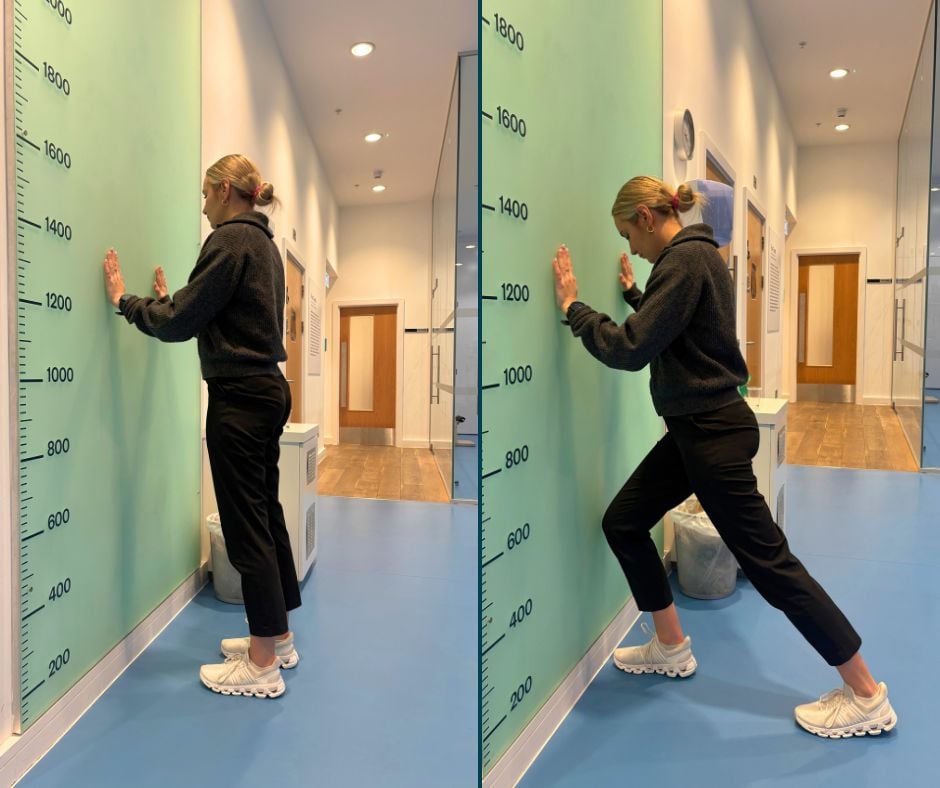
2. KNEE TO WALL
The second test is the knee-to-wall ankle assessment, which measures ankle dorsiflexion and mobility.
Stand a few centimetres from a wall and bend your knee to touch it while keeping your heel on the ground. Reaching at least 10 cm demonstrates good ankle mobility.
If you cannot reach this benchmark, your ankle range may be limited, which could increase the risk of shin or ankle injuries. Simple ankle mobility drills will help improve your performance and reduce injury risk.
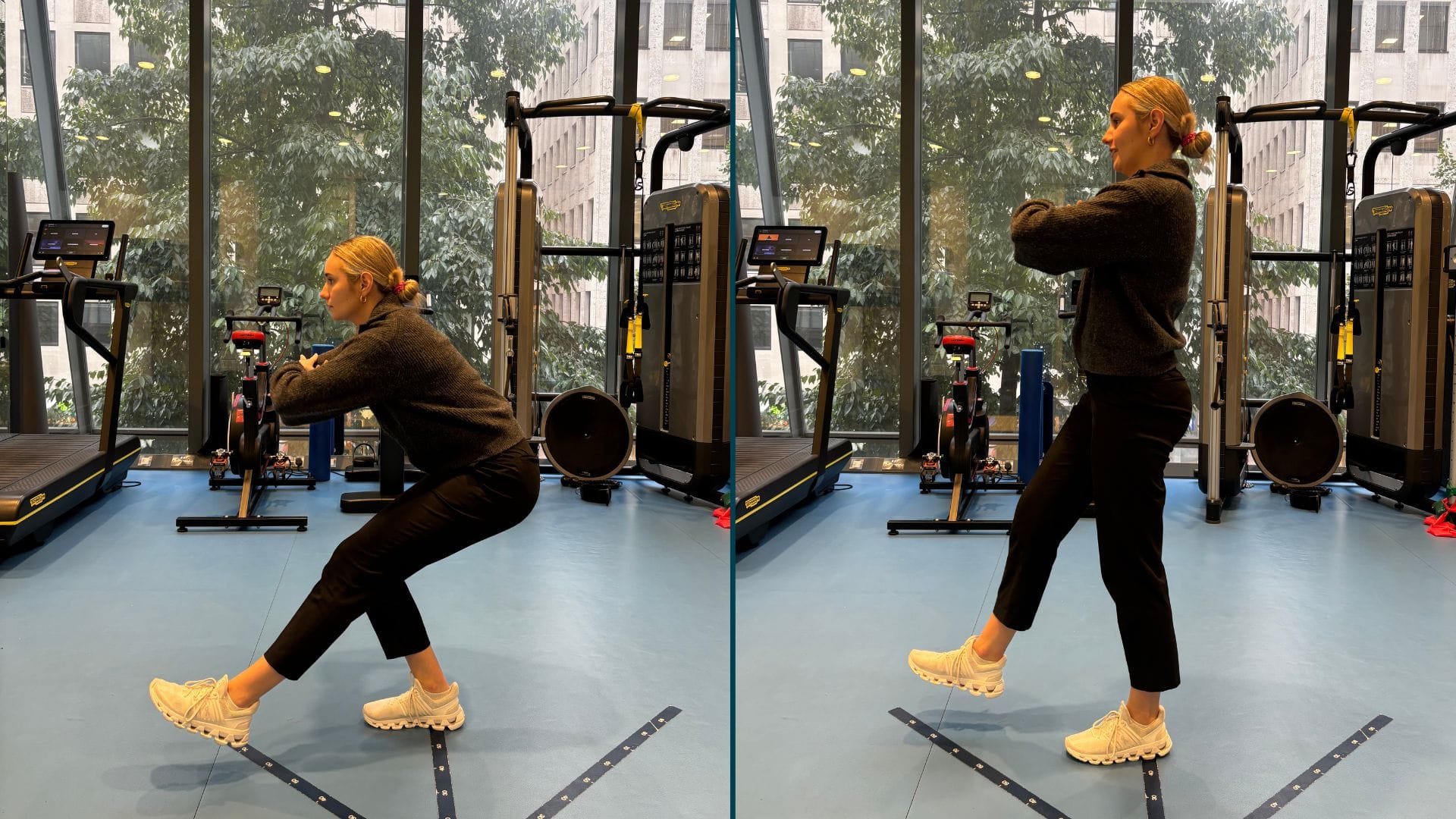
3. SINGLE LEG SQUAT
The single-leg squat evaluates hip and knee control, which are both critical for maintaining proper running form over long distances.
Stand on one leg and perform a slow single-leg squat, keeping your knee aligned with your toes, making sure it doesn’t turn inwards.
Controlled repetitions indicate sufficient hip and knee stability, while difficulty suggests weak glutes or unstable knees, highlighting the need for glute-strengthening exercises.
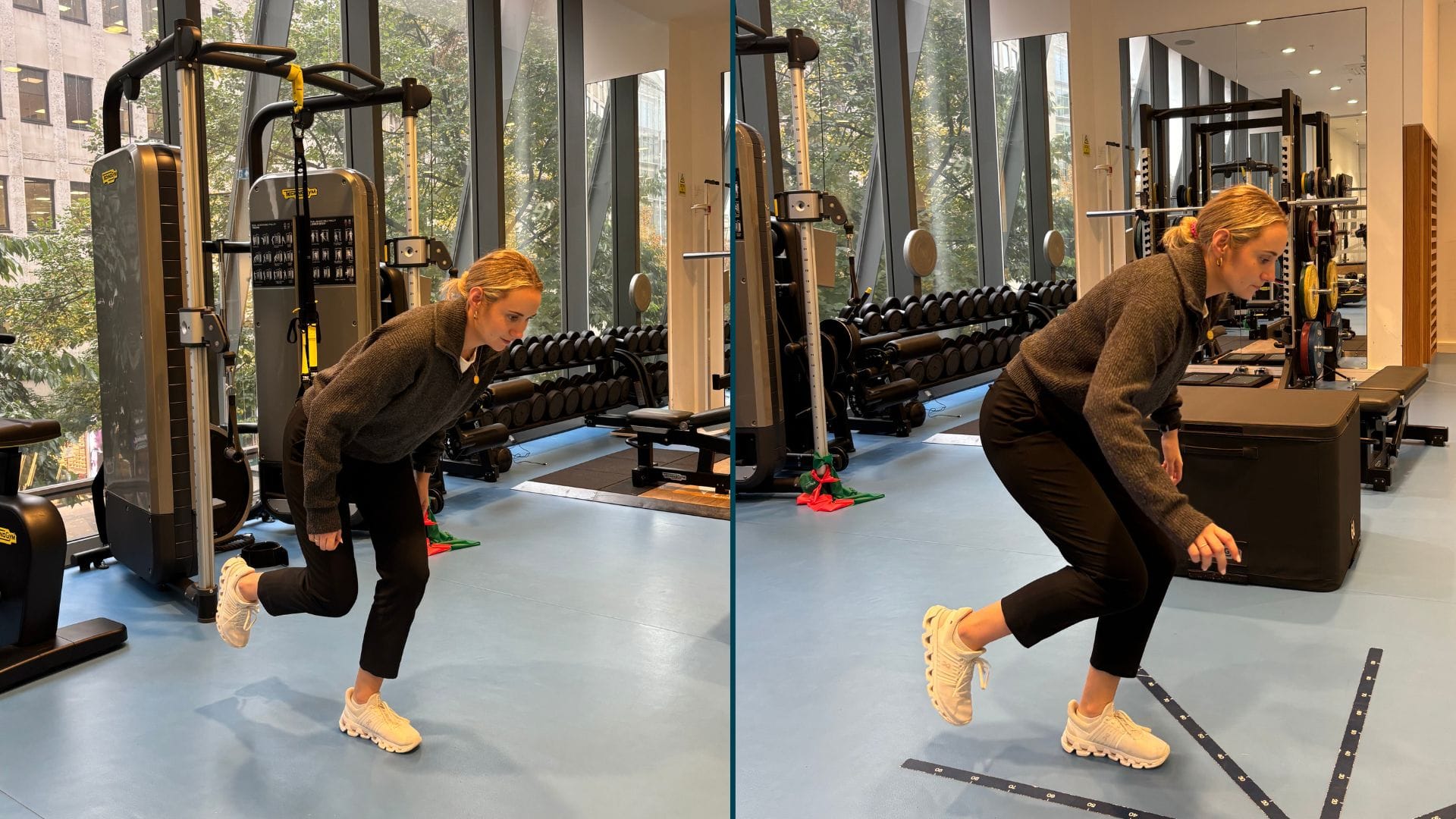
4. HOP & HOLD
The hop and hold test can assess dynamic stability and landing control.
Start on one leg, hop forward one metre and hold the landing for two seconds without assistance from your other foot. Successfully maintaining stability across three attempts shows strong balance and control. Difficulty may indicate increased risk for ankle sprains or knee injuries, signalling the need for targeted balance and proprioception training.
5. SINGLE LEG BRIDGE
Finally, the single-leg bridge evaluates core and posterior chain strengthening.
Lie flat on your back with one leg extended and lift your hips while keeping the extended leg straight, and contract your glutes and keep your pelvis level.
Completing at least 10 repetitions without sagging hips indicates strong glutes and hip extensors. Struggling with this test points to a need for hip and core strengthening exercises.
“These assessments can be used as strength exercises too,” states Dawn. “If one side is weaker or does not perform as well as the other, try adding an additional set to that side to improve the strength.”

Training for a Marathon
While these tests are useful indicators of strength and stability, they should not be your only markers of readiness. Knowing how to train for a marathon is equally important.
Training for a half marathon or full marathon requires a structured approach that includes weekly mileage, long runs, and consistency. Key elements of a well-structured programme include:
- Progressive long runs that gradually increase your distance each week
- Easy recovery runs to build aerobic fitness without excessive strain
- Speed or tempo sessions to improve pace and efficiency
- Strength training to support joints and reduce injury risk
- Rest and recovery days to allow your body to adapt
Leading into marathon training, beginners may aim to build a weekly base of around 30–50 km, gradually increasing to a peak of approximately 48–80 km, although this may vary depending on participation in other sporting activities.
Note that most marathon training plans last 16–20 weeks and gradually build your endurance and resilience. Your training load should increase progressively, usually by no more than about 10% per week, to avoid overuse injuries.
“Do not neglect your strength training during these times,” Dawn adds. “However, it does need to be well timed not to fatigue the legs, especially for your quality/ speed runs, and you need to reduce it as you increase your running mileage to avoid overloading your body.”
Prehab for Runners: Building Resilience Before the Miles Begin
Common Injury Risk Factors
Marathon injuries often result from subtle issues that only become apparent under prolonged stress. Sudden increases in mileage, persistent pain in the knee, shin, or heel, and previous injuries such as ankle sprains or stress fractures all increase your risk. Monitoring these factors and adjusting training accordingly is essential.
If any of these warning signs appear, consulting a sports medicine professional or running specialist can help prevent serious setbacks.
What to Eat Before a Marathon
Nutrition is another essential part of marathon preparation. What you eat in the 24 hours before the race can significantly affect your performance.
In the days leading up to the race, runners typically increase carbohydrate intake to build glycogen stores. Good options include:
- Pasta or rice dishes
- Potatoes or sweet potatoes
- Oats or wholegrain bread
- Fruit and simple carbohydrates
Avoid heavy fats and high-fibre foods immediately before the race, as they can cause gastrointestinal discomfort.
The pre-race meal, usually eaten 2–3 hours before the start, should also be familiar and easy to digest. Examples include:
- Porridge with banana and honey
- Toast with peanut butter or jam
- A bagel with fruit
Staying hydrated is equally important, and runners should consume fluids consistently in the days leading up to the event.
Don’t Forget the Bigger Picture
Although these exercises are great tests to do, please be aware that they are just that, tests. They should not be the only measure you rely on when preparing for your upcoming marathon.
Other areas to consider include:
- The footwear you run in
- Your running technique, also known as your ‘gait’
- Your training load (frequency, distance and speed)
- Your recovery, which is just as important as your physical training, but is very often overlooked.
Combining physical readiness, structured training, and proper nutrition gives you the best chance of crossing the finish line safely and confidently.
“Being consistent is the single most important aspect of training and will do more for you than having big gaps in your training. Also, adding a smile to your face while running reminds you why you’re doing it – enjoy!” Dawn states.
When to See a Sports Medicine Expert
Even experienced runners can encounter challenges that compromise marathon readiness. Booking a running assessment is recommended if you fail one or more physical tests, experience recurring pain, or are significantly increasing mileage. Our professional assessments at our London clinics include a detailed gait analysis, help to identify potential injury risks, and give you personalised guidance for strength, mobility, and race-day preparation.
Book your running assessment today to ensure your body is prepared for race day.
Related Posts




Advice
Over the last 20+ years our experts have helped more than 100,000 patients, but we don’t stop there. We also like to share our knowledge and insight to help people lead healthier lives, and here you will find our extensive library of advice on a variety of topics to help you do the same.
OUR ADVICE HUBS See all Advice Hubs