


The Pure Pod Season 2 Episode 5: Sustainable weight loss, supplements & GLP-1 drugs

Tom Williams
Head of Performance and Strength & Conditioning Coach
- 26 May, 2026
- Podcast
- healthcare
- Exercises Medicine
- Strength & Conditioning
- Diet & Nutrition
- 8 min read
Debates over sustainable and safe weight loss have renewed in recent years, following the widespread use of weight loss drugs such as Ozempic, Mounjaro and Wegovy.
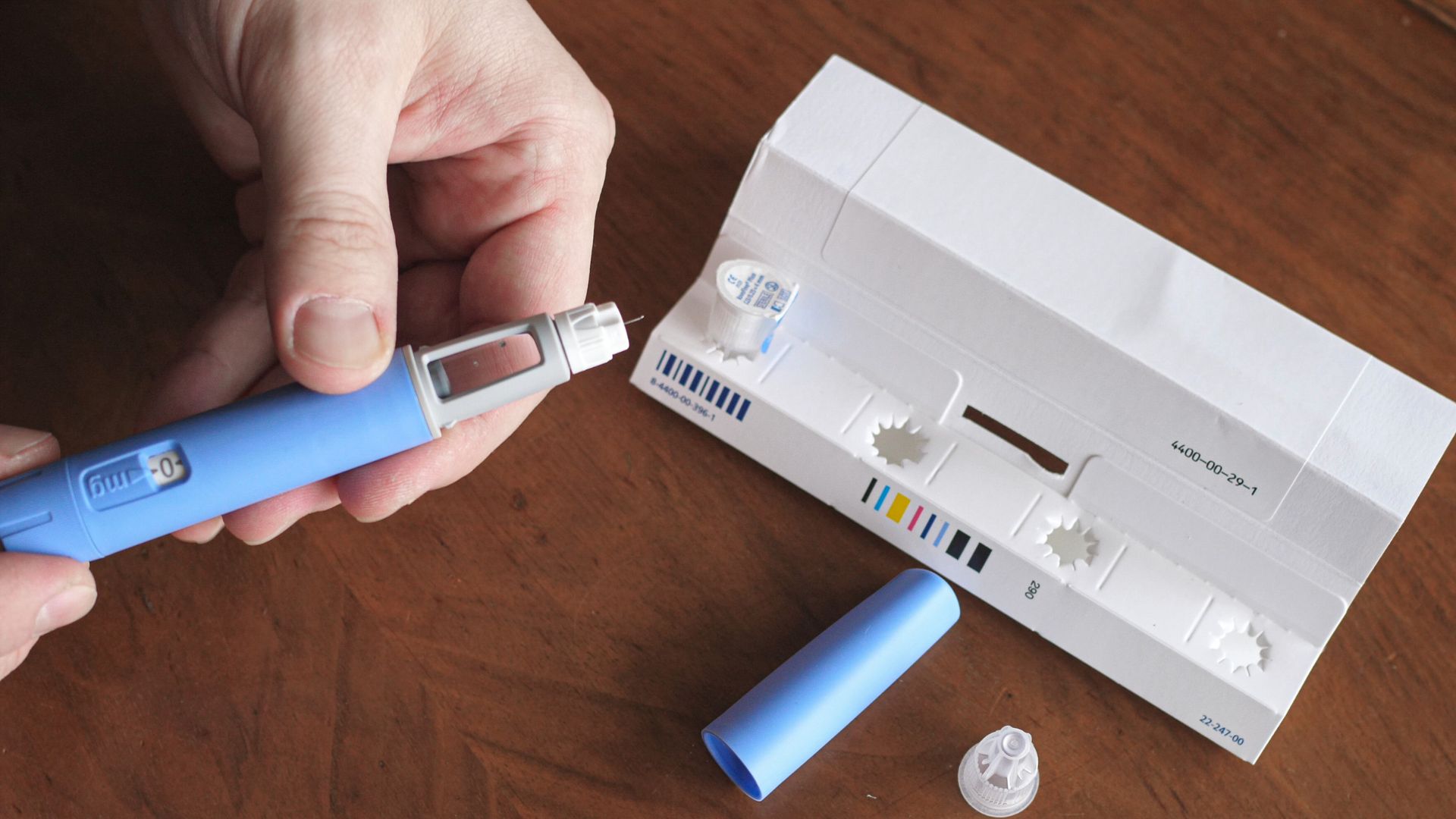
A University College London survey found that roughly 1.6 million adults in the UK took weight loss drugs between January 2024 and 2025 — around 90% of patients accessed these products through a private healthcare provider. The research found that almost one-in-ten British adults would consider using weight loss drugs in the future.
GLP-1 receptor agonists such as Ozempic can have profound side effects. Nausea, and dehydration are common, while serious but rare risks include pancreatitis or disease of the gallbladder. Many patients who stop taking the drugs report a rapid increase in weight in the following months.
The popularity of these drugs reveals a truth. Maintaining a healthy weight is crucial to our long-term wellbeing, and longevity — obese patients are at a greater risk of chronic diseases such as Type 2 Diabetes, heart diseases and cancer. However, there are other important health markers that can also help with longevity, including retention of muscle mass, which people who undertake rapid weight loss can often overlook.
When can weight loss drugs prove helpful in healthy weight loss? Which supplements should people looking to lose weight prioritise? How can we retain muscle mass, and promote a holistic outlook on our health as we age?
To answer these questions, we were joined by Clemence Cleave and Tom Williams. Clem is an award-winning nutritionist with expertise in weight management, women’s health and cardio-metabolic health. Tom is Pure’s Head of Performance, and a strength and conditioning coach. He’s passionate about building solid health foundations for his clients that will last for a lifetime.
You can watch the episode in full below, listen on the podcast platform of your choice, or read on for the highlights of our conversation.
Here’s what we covered:
- The proliferation of GLP-1 Receptor Agonist drugs for weight loss (03:45)
- How these drugs help patients lose weight (07:15)
- When it is advisable for a patient to use GLP-1 drugs to help with sustainable weight loss (12:45)
- The side effects of taking GLP-1 drugs (16:45)
- The risks of carrying excess weight, and visceral fat, as we age (23:30)
- The role of diet and exercise alongside the prescription of GLP-1 drugs (30:30)
- How supplementation can help in sustainable weight loss (40:00)
- How we can live healthier lives, as life expectancy increases (44:30)
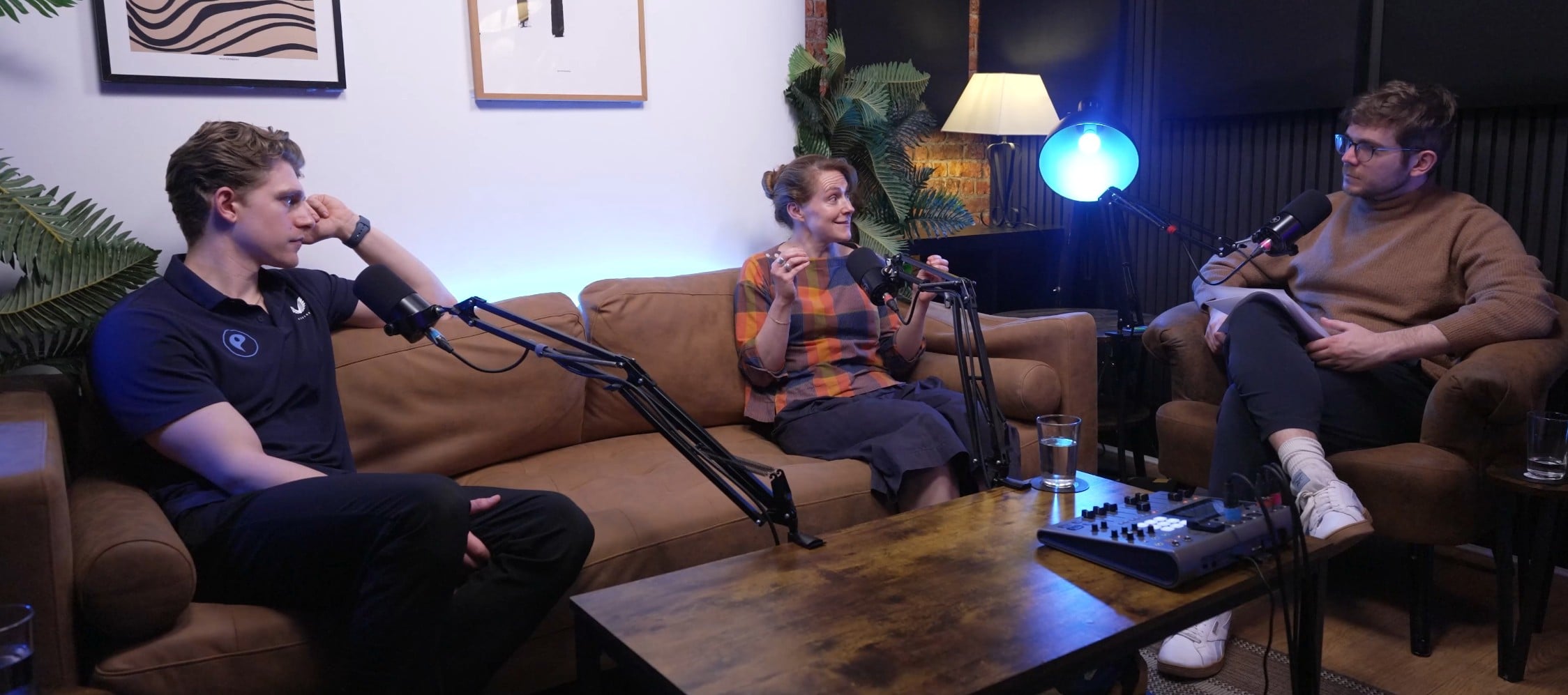
Hi Tom, hi Clemence. I thought we could start with by looking at the rise of GLP-1 receptor agonist drugs such as Ozempic, Wegovy and Mounjaro. What was the original use case for these drugs, when did they start to be used for weight loss, and how do they work?
Clemence: These drugs were used to treat Type 2 Diabetes, and they came onto the market in the early 2000s. Then it was realised that patients were losing weight while using the drugs. In the 2010s, more research was done around actually dealing with obesity.
Tom: They hit the mainstream after the Covid-19 pandemic. I remember I had a client come in, and he asked me ‘what’s your opinion on Wegovy?’ I had no idea, and I was really skeptical, because as a lot of people thought at the time, when you hear something that seems almost too good to be true, you kind of turn your nose up at it.
It’s obviously snowballed more and more. Last year was the time where I started seeing people come in specifically because they’re on drugs.
Clemence: As for how they work; it’s an injection. It mimics a hormone you secrete in your gut called GLP-1. When we eat protein, when we eat certain fibres we secrete the hormone, but the half-life is very short lived. It’s a matter of minutes. The drugs actually last days, so you say you inject yourself on Friday, it can have an effect for up to seven days, for some people even longer.
They affect your appetite. Your sense of hunger. You feel full quicker, and for a long period of time, but they also slow down the time it takes for food to move from your stomach into your small intestine. Mechanistically, that also sends a signal to your brain to say you don’t want to eat anymore.
Tom: It basically makes you feel like you’ve eaten a full Christmas turkey, even if you’ve just had half a sandwich.
In the US now, and probably towards the end of this year in the UK, they are releasing them in tablet pills daily.
What happens when you stop taking the drug?
Clemence: The pills will be useful for the maintenance phase, because stopping them is a problem. A lot of people expect to take these drugs just to lose weight, they can’t wait to stop. They’re not meant to be stopped.
We don’t have much data yet, but we know that if you stop, you gain back up to two thirds of the lost weight within a year. So we really need to have a lifestyle intervention alongside the drugs: improve your diet quality and your behaviours around using the drugs to eventually phase them out, but thinking you can live without them forever is probably unrealistic.
You probably need to lower the dose once you’ve reached your target weight. Titrate down to the lowest dose that allows you to maintain your weight loss.
Tom: It’s kind of like statins, right? Statins are dished out a lot to reduce blood pressure and cholesterol. That is something people are quite happy to take for the rest of their life. There are things you can do in terms of exercise and diet to reduce blood pressure, but actually, still taking statins is still worth doing.
Alongside GLP-1 medications, we absolutely 100% should be doing things to improve diet and lifestyle, and giving ourselves the best shot we can by our own means, but we should also remove some of the stigma around taking these drugs.

When would you recommend a patient use these drugs?
Tom: If you’re someone that is at risk by staying at your current weight, if you’re someone that has an increased rate of mortality, it’s worth taking them.
If you’re someone whose BMI is okay and you’re just trying to shed a few pounds for aesthetic reasons, the risk outweighs the benefit.
Clemence: We talk about them as ‘weight loss drugs’, but really they are obesity medications. Obesity is a health condition, in the US and in Europe, it’s considered to be a disease. The definition is it’s a chronic, complex and relapsing condition where excessive body fat increases the risk to your health.
You need to think, ‘what are your risks of not taking it’, as well as the risks of using the drugs. Talking about it as a ‘skinny jab’ undermines that we are talking about health conditions here.
What are some of the risks?
Clemence: There are some gastrointestinal issues that come from using them, but they tend to fade away. So nausea, at the beginning, and if you titrate up. You can also suffer from diarrhoea or constipation, but these symptoms tend to calm down.
There are some rarer risks, but these have mainly been seen during rodent testing. There is a risk of acute pancreatitis, at one point, we were worried about thyroid cancer.
Nevertheless, dropout is high, with around two thirds of people who start using GLP-1 drugs will stop within the first year.
Tom: What we know is when you lose any amount of weight, using the drugs or not, but particularly in this instance because you lose a lot of weight quite quickly, you can lose lean mass and lean tissue.
Losing that mass can mean increasing frailty, the risk of fracture, osteoporosis, osteopenia; things that can have a real effect on quality of life.
Although people are losing weight on the scale, their body composition isn’t changing too much. They’re getting smaller but they’re not actually improving their health in any way. If you haven’t made any lifestyle changes, you can put weight on really quite quickly. If you’ve lost a severe amount of bone and muscle mass in that time, and then you put on fat quite quickly, you’re actually in a worse position. You’re made up of more fat, and your bones and muscles are weaker.
How can these drugs be used to promote sustainable weight loss? Has it changed how you help patients, and how you might work together as part of an MDT?
Clemence: They are a fabulous tool, because they create a window of opportunity to focus on what nourishment is without a patient having their effort constantly undermined by ‘food noise’ that reminds them they want to eat. It’s hard not to eat!
People might think that losing weight is a matter of willpower. We know that is not the case. You can deploy willpower when you are running a marathon and you’re in the last few kilometres. You can make it through because you know there is an end. But when you have to constantly hold back a feeling of hunger, that nagging thought, there is no end to it, that’s impossible.
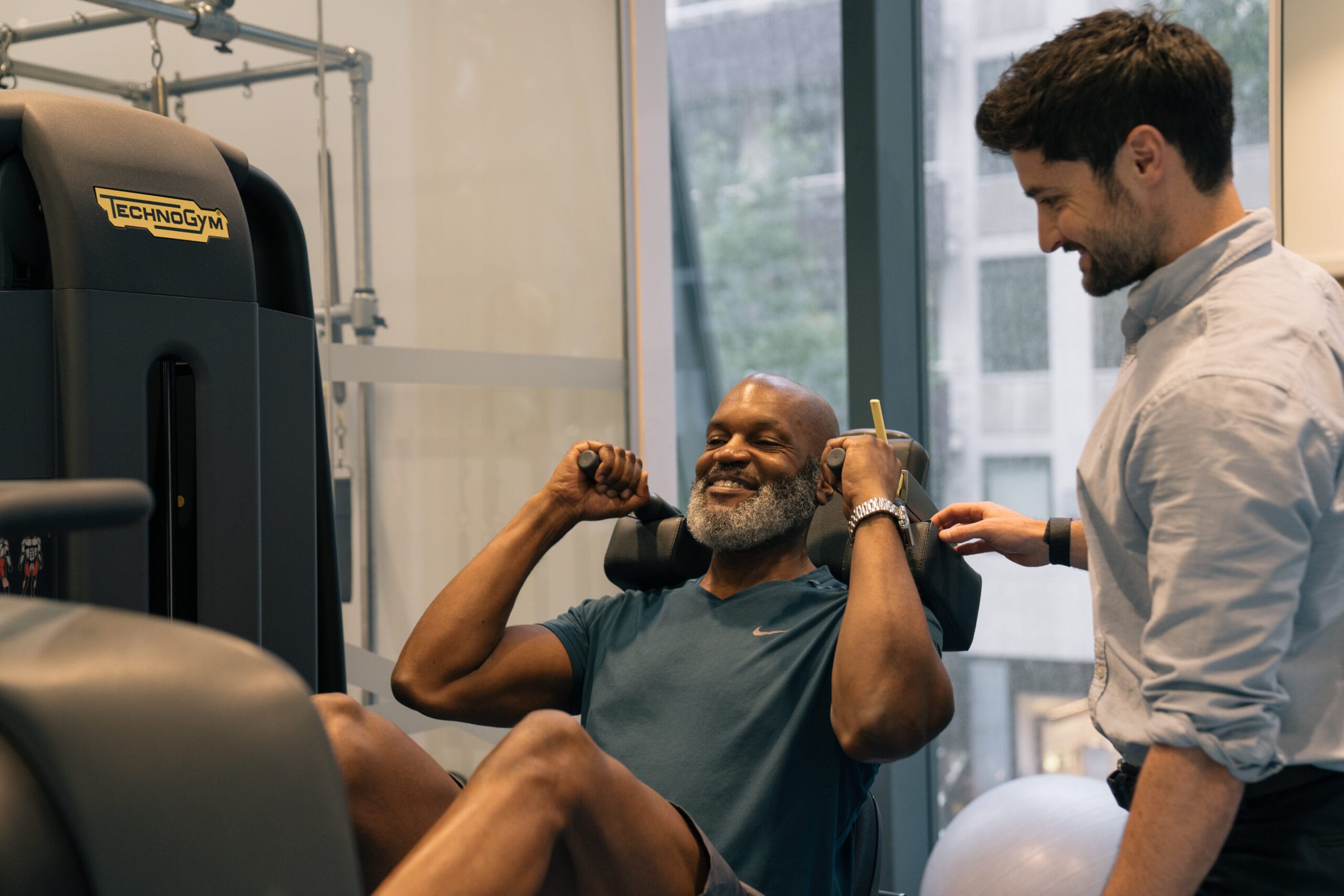
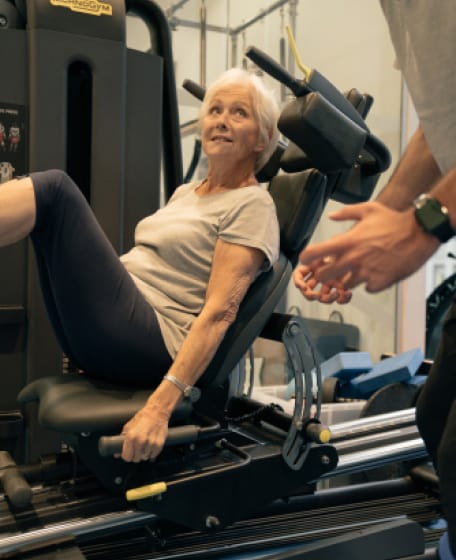
Tom: From a training perspective, the key is resistance training. If someone is losing weight, it’s really important to slow the loss of muscle mass, or at least try to maintain it as best we can. When you’re in a severe deficit it’s very hard to build muscle, but you can maintain as much as you can; the evidence points towards two to three resistance sessions per week.
Clemence: It’s really important to maximise nutrition as the patient eats less. Suddenly, every bite counts. We want to make sure they get enough protein (1.2g-1.6gs per day, per KG of ideal body weight), but protein on its own is not going to preserve your lean mass. That resistance training is the first foundation.
One thing that is often forgotten is fibre. So fibre is going to help with your digestion but also help you live longer with protection against a lot of diseases. It reduces inflammation.
Eating fibre is harder when you’re on GLP-1 medication because it fills you up quite quickly, as does protein.
Tom: In the past if you have someone that is overweight, a big part of that training would be about getting them moving to stimulate energy expenditure. We don’t need to worry about that as much. They will lose weight, these drugs are very effective.
We can bring down intensity to an extent, because if the goal is to build muscle and bone, it doesn’t need to be that high heart rate. Of course, we still want to improve people’s cardiovascular health, but people are actually pleasantly surprised that you can come in and not crawl out of the gym afterwards.
Clemence: When we work together, in every conversation we have with a patient, we make it clear these two pieces are very important together. We explain that they cannot just focus on exercise or nutrition. You need the two together.
The widespread use of this drug shows that people are conscious of the impact of excess weight on their long-term health. What tips would you give for someone who wants to improve their quality of life as they age?
Tom: When we talk about longevity, exercise is the foundation. Naturally from the age of 30-35, we start to lose muscle and bone mass generally, and our fitness starts to decrease. It’s important we try and slow that, whether we’re losing weight or not.
People who are keen to live well into their old age; to spend time with their family and friends, to keep working need to be exercising.
Clemence: We need to think about health span. So not just adding years to your life, but adding life to your years. Keep your waistline in check, minimise alcohol — despite being very pleasant — have enough protein to support your muscles, but most importantly eat a lot of plants. Plant based food give you a wide range of nutrients, fibres, polyphenols and antioxidants. That looks after your gut, improves your immune system and reduces inflammation.
Thanks for listening to this episode of The Pure Pod, a podcast brought to you by Pure Sports Medicine. You can catch up on Season 1, and hear every episode of Season 2 by following us on the podcast provider of your choice. It’s available to download on Apple Podcasts, Spotify, or wherever you get your podcasts. You can also watch every episode of Season 2 by subscribing to our Youtube channel.
Planning on your first triathlon? Looking to make that step up in distance? Nursing a nagging injury that is keeping you from training? Our Triathlon screening process helps you perform to your absolute best come race day. Click here, to find out more.
Related Posts



Advice
Over the last 20+ years our experts have helped more than 100,000 patients, but we don’t stop there. We also like to share our knowledge and insight to help people lead healthier lives, and here you will find our extensive library of advice on a variety of topics to help you do the same.
OUR ADVICE HUBS See all Advice Hubs