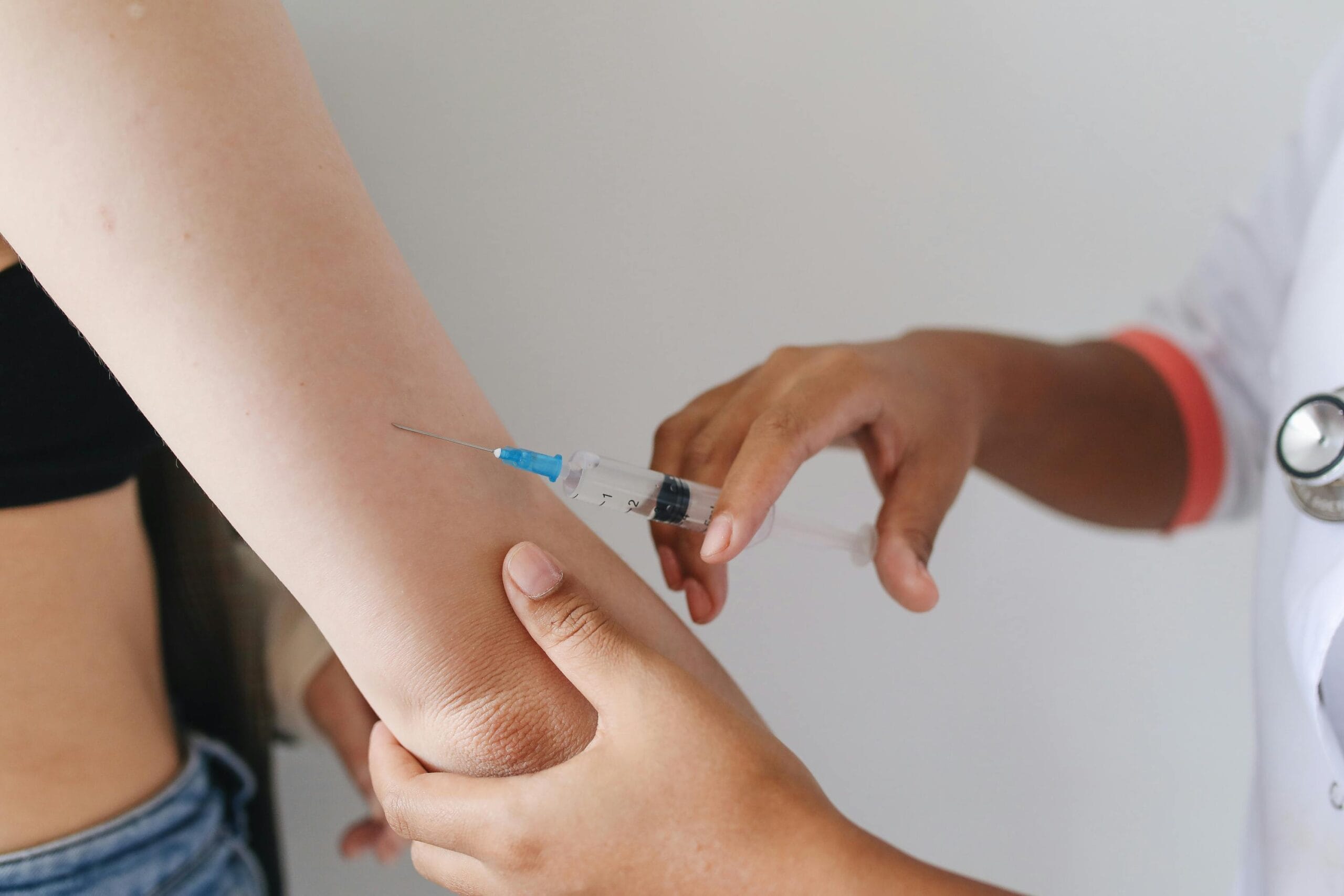
Platelet-Rich Plasma (PRP) Injections
Suffering from pain and swelling due to an injury? Platelet-rich plasma injections help chronic musculoskeletal conditions for tendinopathy, osteoarthritis, ligament and muscle tears. The treatment separates the patients’ platelets and plasma from their blood to treat the area of injury for growth and stimulates the number of restorative cells.
Select your appointment type
Start by selecting your appointment type.
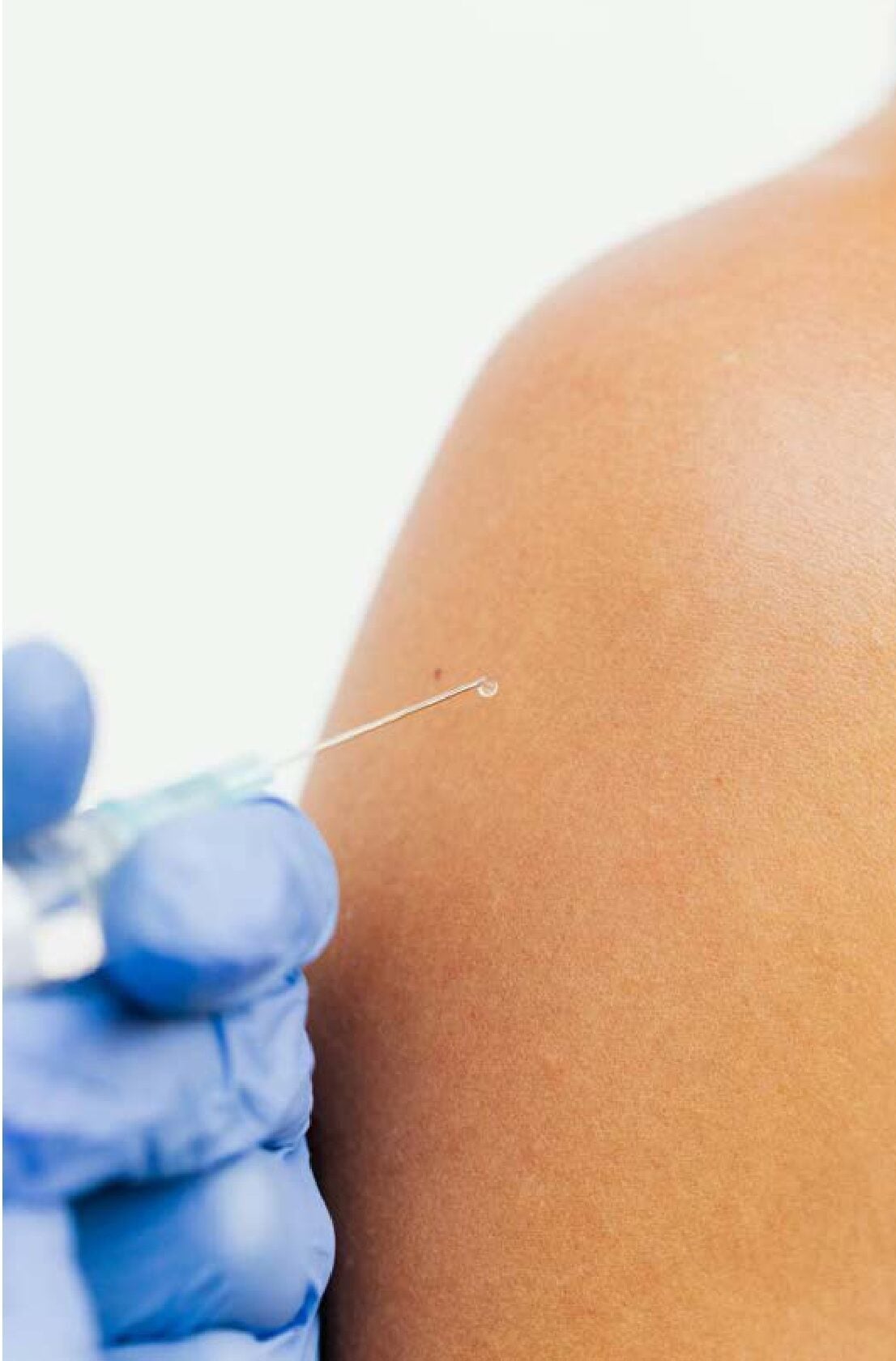
What Are PRP Injections?
Platelet-rich plasma injections (PRP) are a type of orthobiologic therapy that involves taking a patient’s own blood and concentrating the levels of platelets and growth factors to promote healing in injured musculoskeletal tissue and improve mobility.
This PRP treatment not only reconstructs tissue, but it also prevents painful natural inflammatory processes, delays disease progression and allows patients to reduce painkillers that have side effects.
PRP Injections are considered a treatment for those with soft tissue injuries traditionally known to have poor healing properties (e.g. tendon and ligament injuries) where the wound healing process may have ‘stalled’. It can be a great option if your consultant agrees, as it treats those who wish to avoid surgery.
Book an appointmentWhat is involved in PRP treatment?
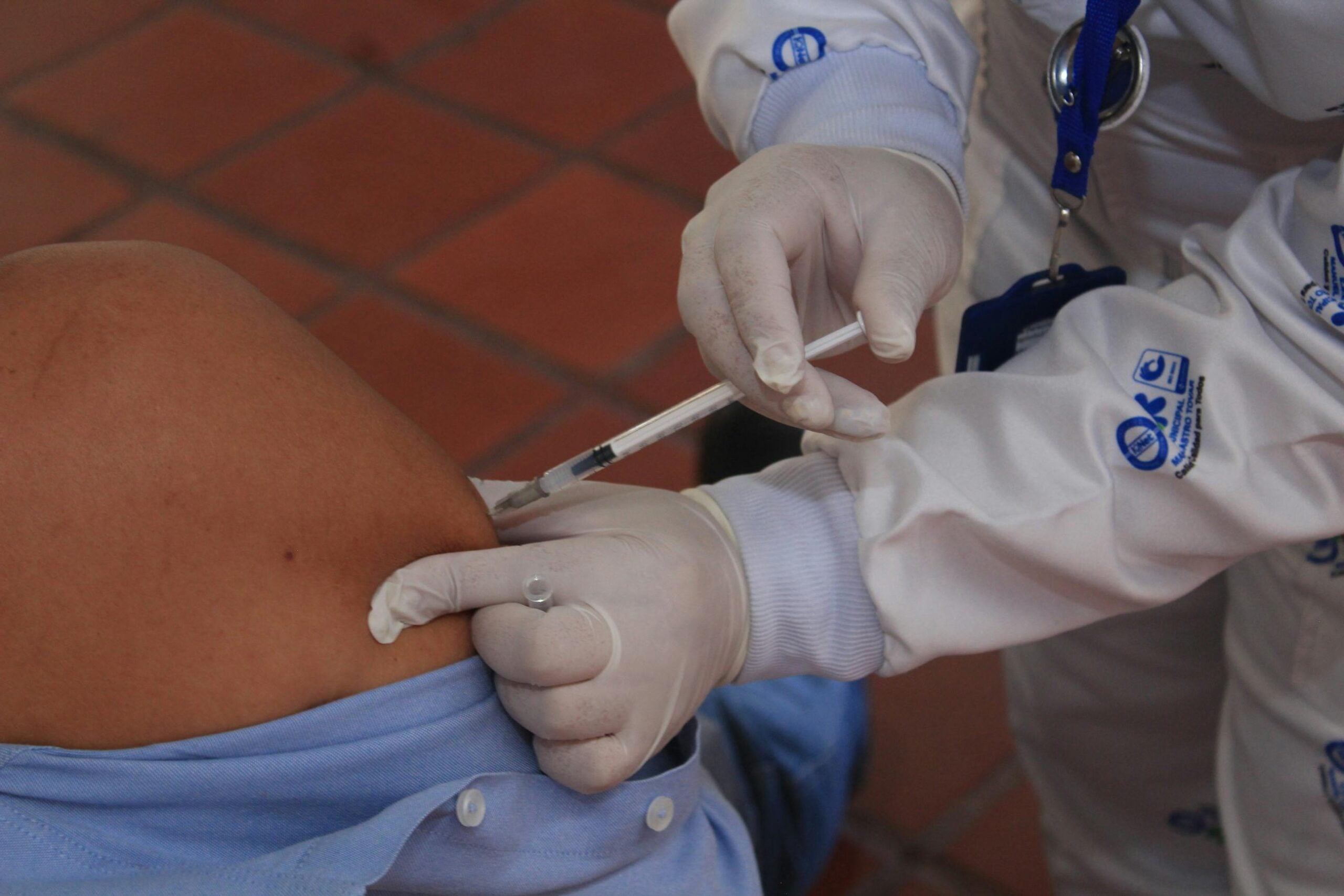
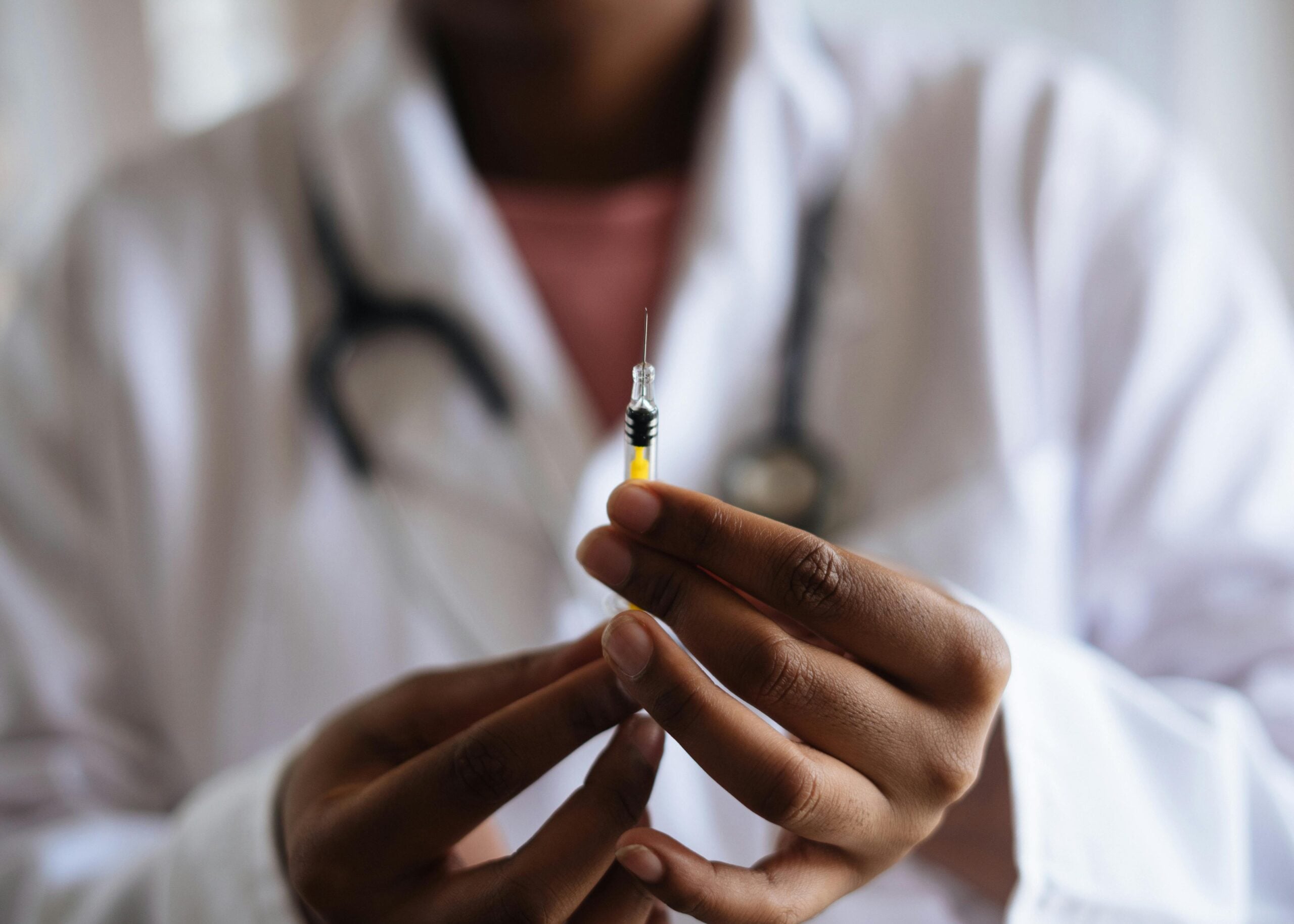
After an initial clinic consultation and imaging tests (e.g. MRI/ CT/ X-rays/ diagnostic ultrasound scan) to ensure the diagnosis is correct and other similar conditions have been ruled out, a discussion on the suitability of PRP, the procedure, risks and aftercare will guarantee you are fully aware of the treatment process. Blood is obtained by the process of venesection, which is similar to a routine blood test. This is stored in a sterile syringe to prevent infection and contamination. A process of centrifugation is then undertaken, which involves a machine separating blood into its constituent parts. The plasma-rich layer is then extracted and injected back into the same patient under sterile conditions. A series of injections is usually required. Ultrasound guidance is used for accuracy to ensure the injection reaches its intended target. Injections are carried out in a medical/clinical environment to ensure the risk of infection is minimised.
Get in touch
PRP Injection Specialists
















Pricing
- PRP – (ACP) Injection initial – £850
- PRP – (ACP) Injection Follow Up – £850
- PRP – (ACP Max) Injection Initial – £1,300
- PRP – (ACP Max) Injection Follow Up – £1,300
- PRP – Injection W9046 Initial – £1,000
- PRP – Injection W9046 Follow up – £1,000
- PRP – Injection W9048 Initial – £1,000
- PRP – Injection W9048 Follow up – £1,000
- PRP – (ACP) Injection Initial Bilateral – £1,100
- PRP – (ACP) Injection Follow Up Bilateral – £1,100
- PRP – (ACP Max) + Sinovial 64 Injection Follow Up – £1,450
- PRP – (ACP) + Sinovial 64 Injection Follow Up – £995
- PRP – Injection T7482 Follow up – £1,000
Injuries That Can Be Targeted with PRP
-
Tennis elbow (Common extensor origin tendinopathy)
-
Golfer’s elbow (Common flexor origin tendinopathy)
-
Early osteoarthritis
-
Chronic muscle injuries (e.g., Gastrocnemius and soleus muscle tears)
-
Chronic ligament injuries (Knees, ankles, elbows and wrists)
-
Chondral injuries (injuries involving the articular cartilage overlying all joints)
Frequently asked questions
Platelet-rich plasma (PRP) therapy uses a patient’s own blood, a medium for red blood cells, white blood cells and platelets to support the healing of damaged tendons, joints, muscles, and ligaments.
With any procedure, there are always risks and side effects which can occur. After the procedure, you may experience some soreness and bruising at the injection site, which are usually temporary and mild. Very rare complications include blood clots, infection and allergic reaction.
Lasting effects can last up to two years, but will vary depending on the individual and desired treatment.
Yes, PRP has been in use for over a decade and has gained popularity due to media coverage of its use in high-profile athletes with injuries. These athletes are reported to include: Tiger Woods, Rafael Nadal, Kobe Bryant, Alex Rodriguez and Jermaine Defoe. Its use in elite sports waxes and wanes.
Some research studies have demonstrated positive results, others have not. The evidence base on this treatment is growing, and PRP appears to be helpful only in some musculoskeletal conditions such as chronic tendon issues (e.g, tennis elbow, Achilles tendonitis), ligament sprains and arthritis. The associated dry needling of the injured tissue, which is performed with the PRP injection, may also contribute positively to its outcome. The injections are carried out under strict sterile conditions.
PRP is not generally considered to have any major harmful effects. Besides a patient’s own (autologous) blood, no other constituents are added to the injection. For that reason, it is appealing to patients who want more of a ‘natural approach’ to dealing with their injuries. It is often also considered an option by patients who have trialled various other treatments unsuccessfully for their longstanding injuries but wish to avoid having surgery.
As a rough guide, the gap between each injection is several weeks to allow the tissue to heal. The number of injections needed varies according to individual circumstances and needs. If you feel you have improved sufficiently, then further injections will not be required.
This procedure works better if coupled with a comprehensive rehabilitation programme. For that reason, you will be asked to follow up with your physiotherapist within days of having the injection – this is to encourage functional tissue healing, whereby the injured tissue regains its tensile strength and flexibility, allowing you to return to a good level of function.
Your Journey with Pure
Everything we do is personalised to you. Whether your goal is to run a marathon or simply walk up the stairs comfortably, we’ll deliver the correct diagnosis and tailored treatment you need to get there so that you can perform at your best and prevent reoccurrence.