


The Pure Pod Season 2 Episode 2: Topical Health & Access to Care
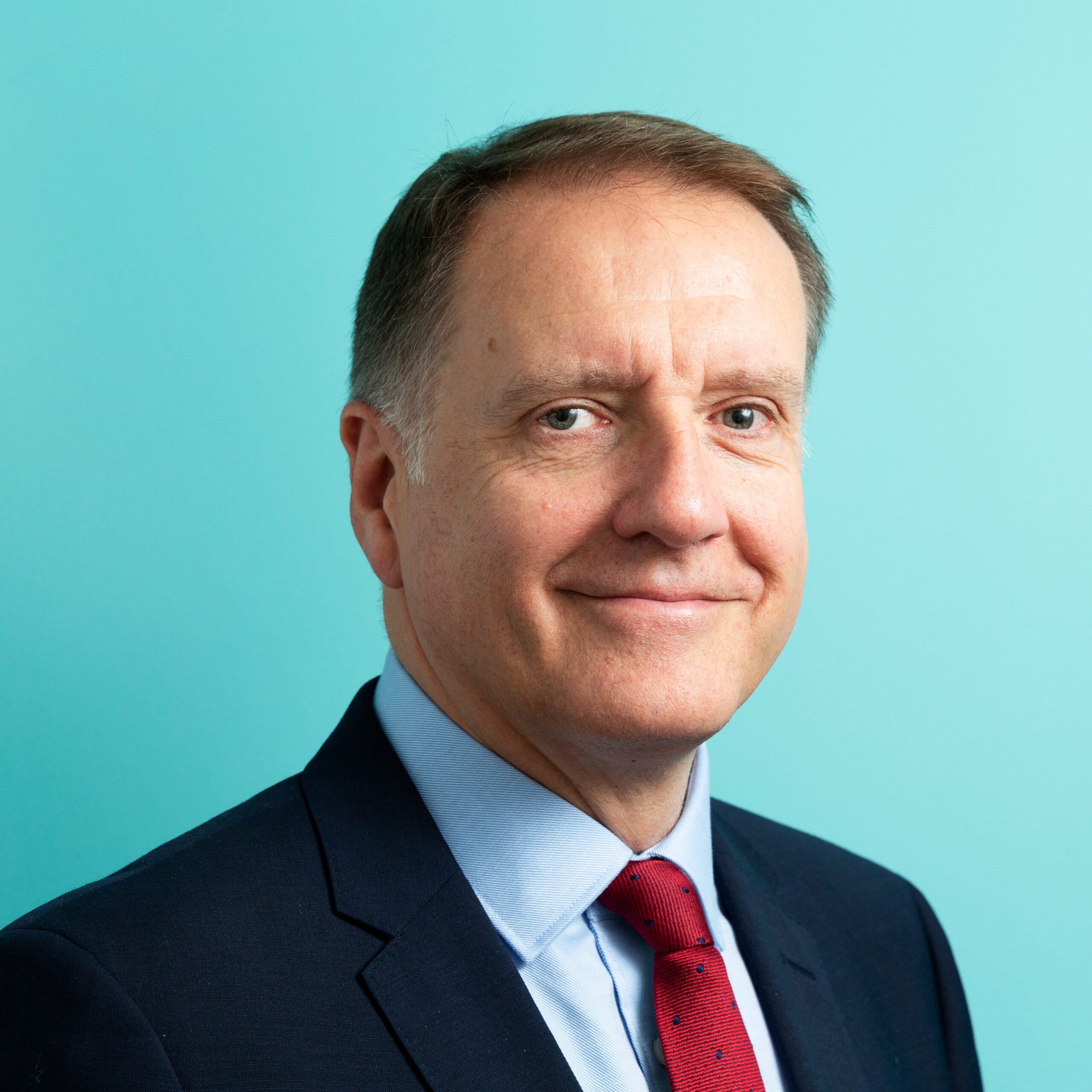
Dr John Etherington CBE
Medical Director & Consultant Rheumatologist
- 19 February, 2026
- Podcast
- healthcare
- 6 min read
Prioritising prevention over treatment is a current hot topic. We discuss options and ways to help people suffering from existing health conditions improve their quality of life.
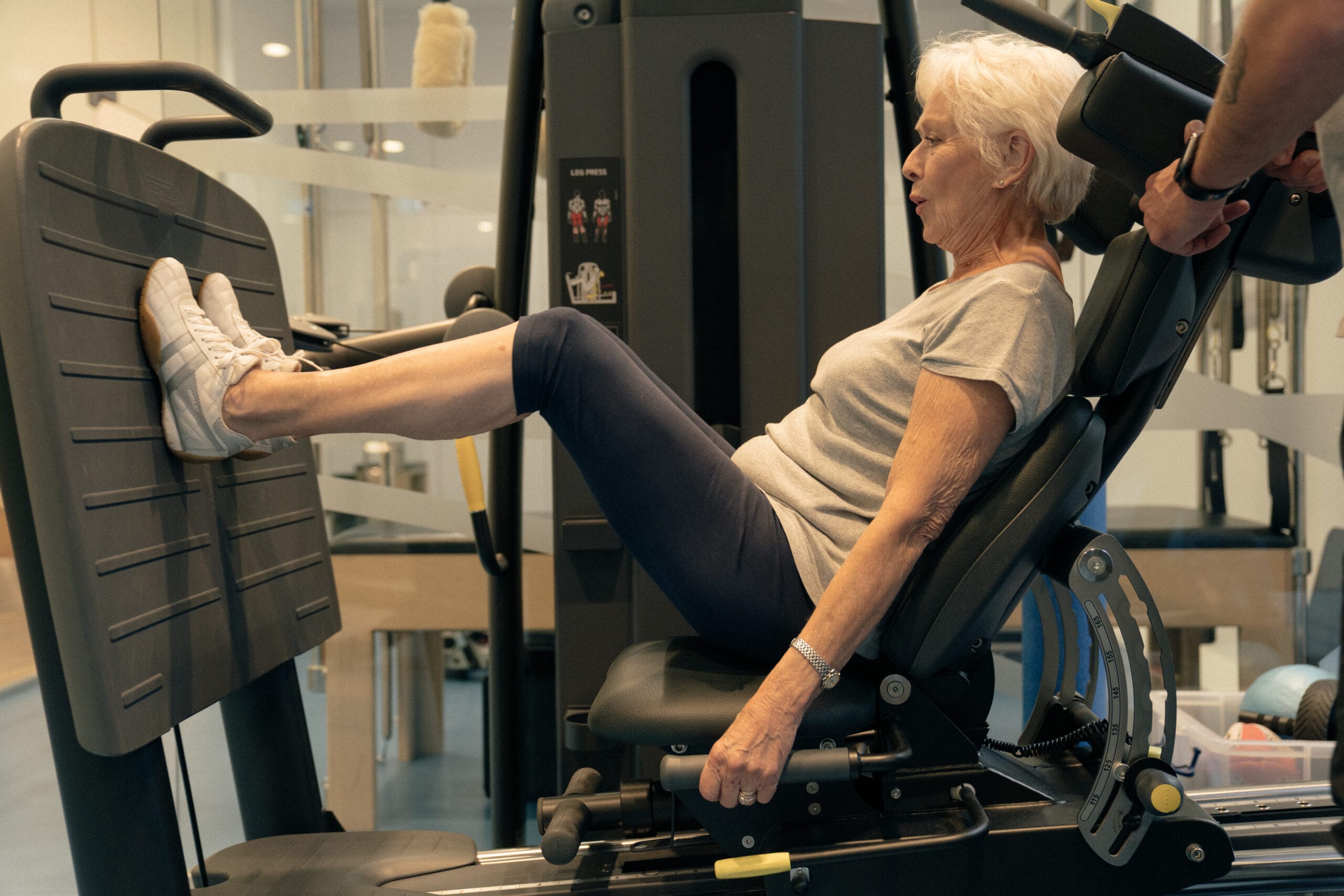
The ever-increasing waitlists for treatment within the NHS are constantly in the news. Long-term conditions including musculoskeletal ailments, rheumatological conditions, the treatment of overweight patients and those with diabetes, as well as patients recovering from cancer have some of the longest waiting periods. That lack of access to care is creating worsening health outcomes for millions of Britons.
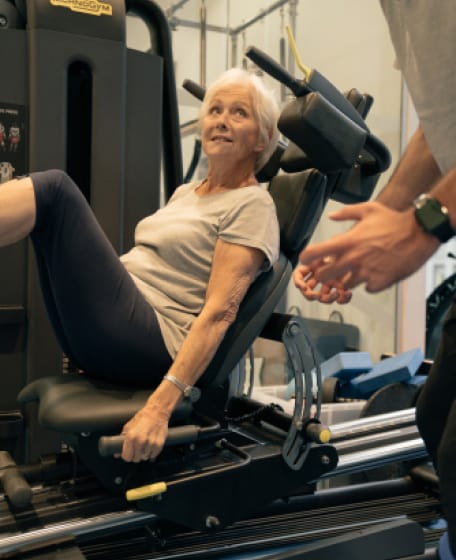
It is imperative for individuals to take more control of their health. Retaining muscle as we age, improving cardiovascular health and maintaining a level of fitness reduces risk of chronic pain and reduces risk of ‘lifestyle diseases’. The government has announced a future focus on prioritising prevention over treatment, which is a welcome development. However, many patients still are either unable to access the insights of medical professionals or are unsure of their options. Self referring to a physio, a strength & conditioning coach or a nutritionist can help people suffering from existing health conditions improve their quality of life.
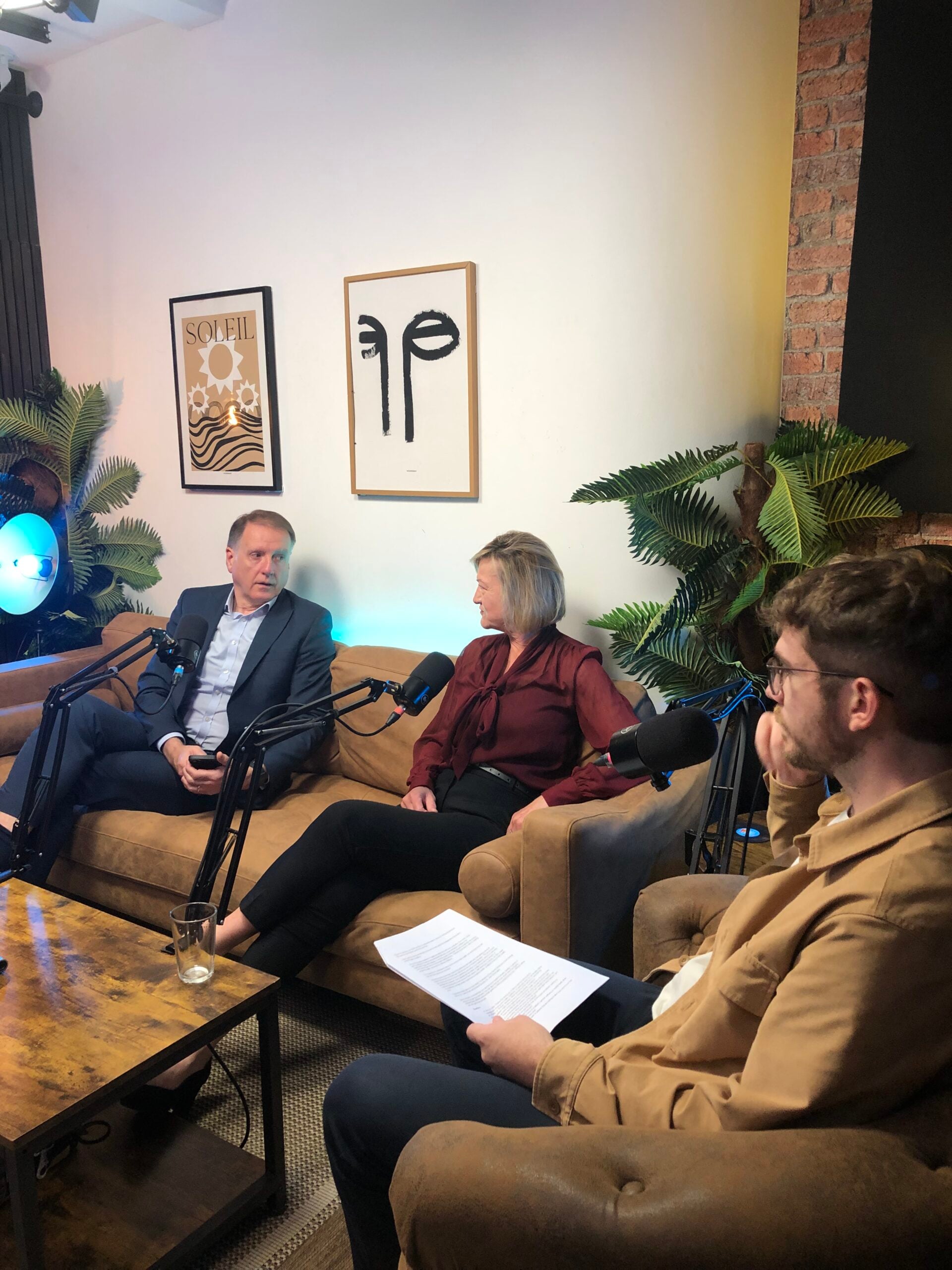
To talk about these topics in more detail, we’re joined by Pure Sports Medicine’s Chief Clinical Officer, Claire Small, and its Medical Director, Dr. John Etherington.
You can watch the full conversation below on our Youtube channel. The Pure Pod is available to download on all major podcast platforms, including Spotify and Apple Podcasts.
Here are the topics we covered in the conversation:
- The barriers to care for patients with long-term health conditions (2:45)
- The risk factors when patients experience long waiting times for treatment (5:30)
- How inadequate access to care can affect our mental wellbeing (9:30)
- Options for care outside of the NHS (15:15)
- Why empowering patients to take control of their health leads to positive outcomes (25:00)
- Some of the markers that patients should look for in their general health (30:00)
- How a multidisciplinary team (MDT) approach can help patients achieve better health outcomes (37:00)
Your speakers:
What are some of the issues for patients that are experiencing chronic conditions?
Claire: I think the biggest barrier is access to treatment, outside of an acute scenario. We’re very good within healthcare at managing something when there’s a problem, but what we’re not very good at is then looking at how we deal with it in the longer term. In essence, how we prevent it from getting worse.
The NHS just isn’t set up for managing those conditions in any other way, generally speaking, other than with medication.
John: We tend to underestimate the effect of these conditions on people, both the person it’s affecting, but also its effect on society and the health service as a whole.
It’s very easy to think about treating someone’s acute injury or illness like a heart attack. It’s not so easy to think about how you manage their chronic pain or musculoskeletal conditions or indeed concerns after a heart attack.
Claire: One of the things we say is that no one’s going to die of a musculoskeletal condition, but they often will die of the comorbidities, the other problems that they develop as a result of not being able to to exercise.
What are some of the risk factors if people cannot access care for the treatment of chronic conditions?
Claire: That they develop other conditions associated with the inactivity. That could be a poor diet or lifestyle because they are in pain.
That can have a real effect on your mental health as well. It becomes this huge vicious cycle. You develop other problems which then make it harder to get back to work, or harder to exercise.
John: I see a lot of patients who use running or sport as an outlet for their mental health issues. You take that away, and their sense of control goes out of the window.
Getting people back into physical activity when they’re ill is really important. It’s a very good treatment for most forms of inflammatory arthritis, for example.
Claire: We often say that exercise is a wonder drug. There’s mounting evidence about the benefits of exercise for diabetes, heart disease and particularly for cancer. The evidence says people who have cancer should be exercising because it actually helps treat the disease, treat the illness. It reduces the side effects of other treatments like chemotherapy and radiotherapy. It makes those treatments more effective.
What options outside of the NHS exist for people as they look to access treatment for these conditions?
John: Well, Pure Sports Medicine delivers that sort of treatment. From our point of view, the key is to provide a combination of accurate diagnosis and early treatment but also trying to get our patients to understand that lifestyle changes will make a difference. That’s both in their recurrence of injuries and illness, but also in terms of managing that injury and illness.
We’re wedded to the concept of a multidisciplinary team and bringing all elements of that treatment together under one roof. That helps people understand they are under control of their condition. We can’t deliver everything; we give them advice, sometimes we give them medication but we can also provide services like physiotherapy. It’s about lifestyle modification.
Claire: We’ve got a team of exercise professionals who are specifically trained to help people with those long term health conditions: cancer, cardiac conditions, metabolic diseases, diabetes, osteoporosis, all the things that have a real effect on people’s longevity.
The biggest thing is people don’t necessarily have the knowledge of where else they can go. In this country, the NHS is set up as something that will treat us from cradle to grave. There isn’t a lot of information out there about alternatives; about choice. I’m a big believer that people should choose how they want to look after themselves. For some, the NHS is the only option, and it’s really important to make sure they have access to high quality evidence-based and informed healthcare. But, there are people who choose to spend their own disposable income on seeing a healthcare professional, and it’s important those people know their options.
What are the benefits of empowering patients to take a more proactive role in the management of their health?
John: Giving control back to the patient is a critical part of what we do. If I see a 25-year-old with a newly diagnosed form of chronic arthritis, I’m not going to see them for the rest of their lives. I can’t follow up forever. They are going to be managing this and looking after themselves. Therefore, you have to take them from an area, a position where they feel hard done by. We want them to feel like they can control that condition and empower them to get better. To stop them from getting worse.
What are some of the indicators of good health that can help people stave off, or manage chronic conditions?
Claire: Muscle mass is really important because muscle has a phenomenal impact on the way our body functions. It impacts the way we use sugar; they release tumor necrosis factor which then deal with inflammation and cancers.
There’s also your cardiovascular fitness. So something like a VO2 max test can look at how effectively your system is using oxygen.
We also like to look at a patient’s diet. We’ve got a great group of dietitians and nutritionists who can really personalise that for people. The thing with diet is, everyone thinks they can read about it online or in a magazine, but sometimes it’s not just about the information. It’s about how you personalise it for your lifestyle as well. It’s not just about calories, it’s about finding the right balance for your body to be behaving in an optimal way.
How does a multi-disciplinary approach help patients with these conditions?
John: Most studies can’t tell you why it does, or what bit if it does. I’ve just been reviewing this for trauma rehabilitation, there’s a big debate around which part makes a difference.
You’ve got to have every component part, and you’ve got to have those components talking to each other, and talking to the patient to find out where they are, and then working together to get there. Most data shows that in most areas of rehabilitation, be it musculoskeletal or cancer, showed that you need a team to do it better. It’s a little bit magical.
Thanks for listening to this episode of The Pure Pod, a podcast brought to you by Pure Sports Medicine. You can catch up on Season 1, and hear every episode of Season 2 by following us on the podcast provider of your choice. It’s available to download on Apple Podcasts, Spotify, or wherever you get your podcasts. You can also watch every episode of Season 2 by subscribing to our Youtube channel.
Planning on your first triathlon? Looking to make that step up in distance? Nursing a nagging injury that is keeping you from training? Our Triathlon screening process helps you perform to your absolute best come race day. Click here, to find out more.
Related Posts



Advice
Over the last 20+ years our experts have helped more than 100,000 patients, but we don’t stop there. We also like to share our knowledge and insight to help people lead healthier lives, and here you will find our extensive library of advice on a variety of topics to help you do the same.
OUR ADVICE HUBS See all Advice Hubs