


Gait Analysis: A Comprehensive Guide

Alex Townsend
Podiatrist
- 7 August, 2026
- Exercise & Musculoskeletal Medicine
- Podiatry
- Running Injuries & Rehabilitation
- 8 min read
Whether you’re training for your first marathon, recovering from persistent knee pain or simply curious about your running technique, you’ve probably come across the term ‘gait analysis’. While it’s often presented as a way to identify “faults” in the way someone walks or runs, or even as a method for finding the perfect running technique, the reality is far more nuanced.
At Pure Sports Medicine, we use gait analysis as one part of a wider clinical assessment. Rather than searching for a single “ideal” way to move, our multidisciplinary team looks at how your movement patterns relate to your symptoms, injury history, physical capacity, training demands and personal goals.
As Sports Podiatrist Alex Townsend explains: “The question isn’t whether someone pronates (for example), but whether that movement is contributing to their current problem.”
This distinction is important. Movement differences are not necessarily problems to be “corrected” – every person walks and runs differently, and many variations are completely normal.
Our informative guide explains what gait analysis involves, what it can (and cannot) tell us, who may benefit from it and how it can support decisions around injury management, rehabilitation, footwear and return to activity.
What is Gait Analysis?
At its simplest, gait analysis is the assessment of how somebody walks or runs.
During a clinical gait analysis, a Sports Podiatrist observes your movement patterns, joint mechanics and how forces travel through the body during activity. At Pure Sports Medicine, this involves high-speed, two-dimensional video analysis alongside a comprehensive physical assessment.
“We interpret your movement within the context of your symptoms, injury history, sporting demands and goals. Rather than simply looking at how someone runs, we interpret those patterns within the context of an injury or symptoms,” explains Alex. “For example, two runners may demonstrate almost identical movement patterns, yet only one experiences pain. Equally, an unusual running style may be entirely appropriate for another athlete if it allows them to train comfortably and perform consistently.”
This is why gait analysis is never interpreted in isolation.
Why Visit a Sports Podiatrist?
Many specialist running shops offer gait analysis as a service and offer valuable guidance on footwear and overall running advice. However, their assessment is primarily designed around helping you select a suitable shoe. However, a Sports Podiatrist provides a clinical assessment with a deeper understanding of anatomy, biomechanics, injury history and rehabilitation. The advice is individualised and evidence-informed, particularly when the clinician understands the demands of your specific sport.
“The movement demands of marathon running differ significantly from football, cycling or court sports,” for example. “Clinicians who understand those activities are better placed to interpret what they see.”
The Initial PSM Assessment
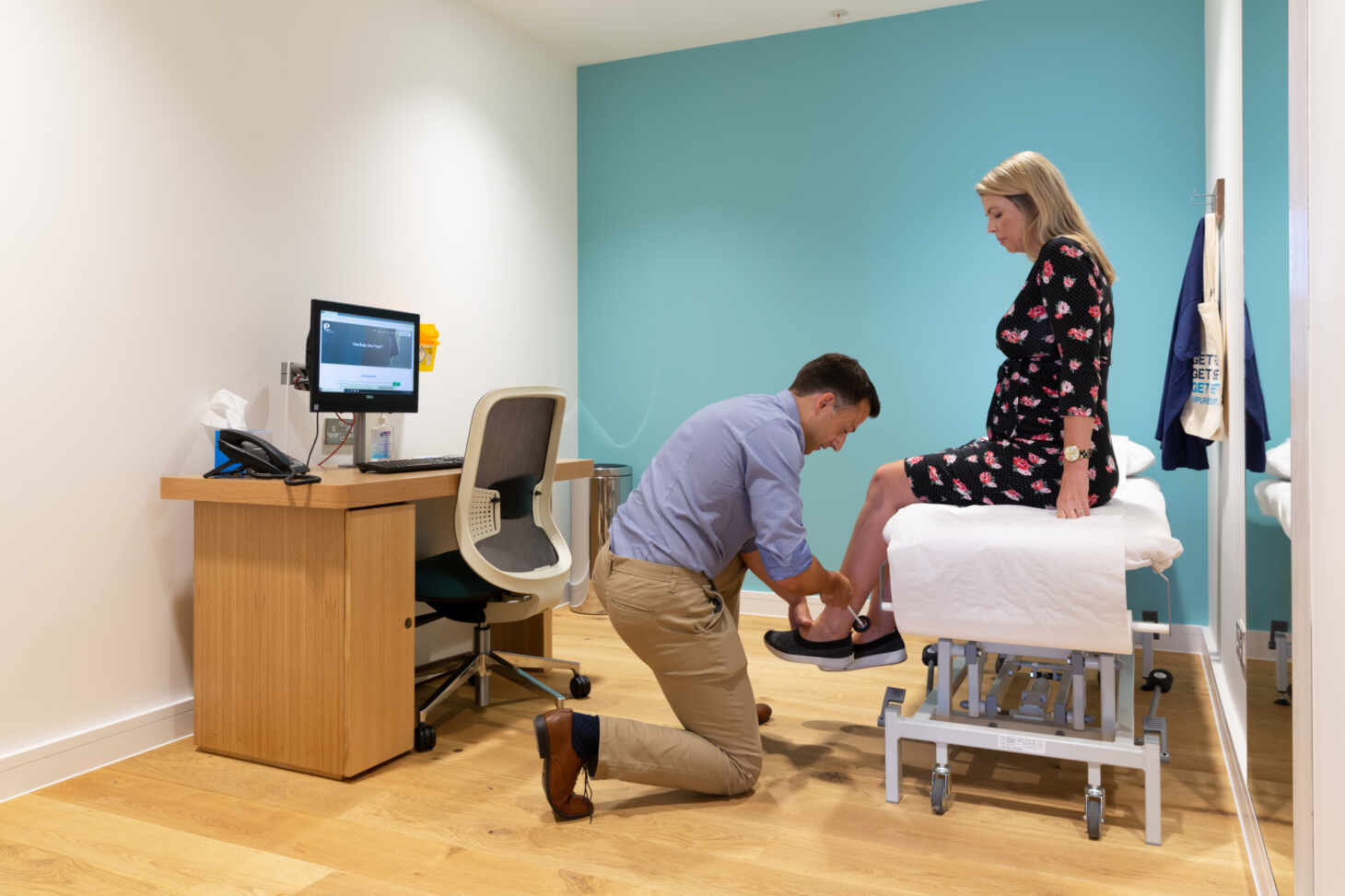
Walking and running involve far more than foot posture. Before analysing movement, our clinicians take the time to understand you as an individual.
Your appointment will begin with a chairside assessment, where we discuss your symptoms, previous injuries, medical history, current medications, training habits and sporting goals. This information is just as valuable as the movement assessment itself.
What Does Gait Analysis Assess?
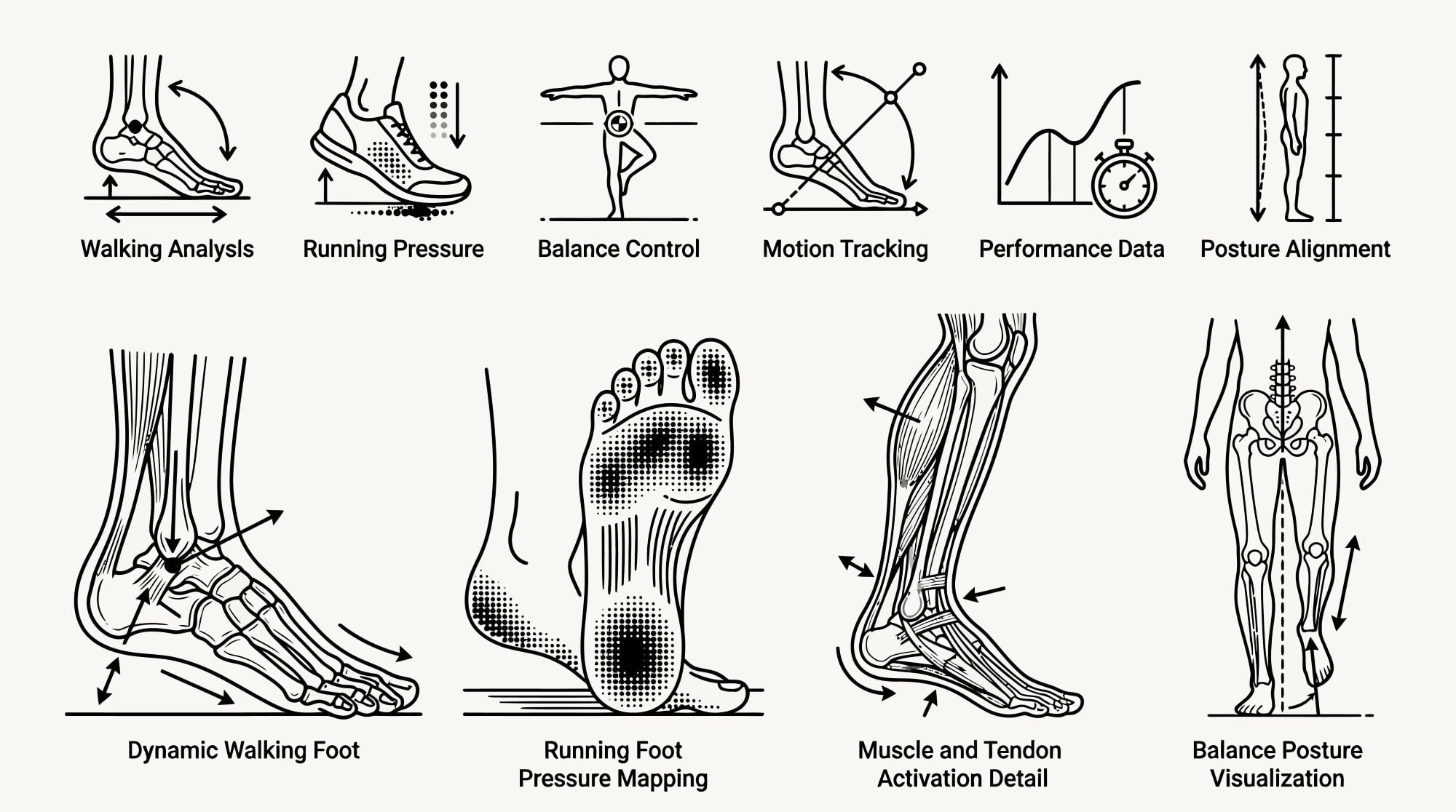
Following the initial examination, your physical assessment considers the whole lower kinetic chain, recognising that every joint influences the next.
During an assessment, your clinician may examine the following:
| Foot function | Pelvic positioning |
| Ankle mobility | Overall posture |
| Knee movement | Running mechanics |
| Hip control | Lower limb alignment |
“A member of our Sports Podiatrist team will physically observe the overall lower-limb alignment, looking for any structural or functional factors that may influence movement,” notes Alex.
“For example, excessive hip drop may indicate reduced gluteal control or weakness around the hip stabilisers, which may increase load further down the chain. We look at how the body functions, rather than focusing on one isolated joint.”
This analysis also helps determine whether gait analysis is appropriate for your needs.
“Someone with a suspected stress fracture, tendon rupture or acute ligament injury would usually require diagnosis and initial management before running on a treadmill. Assessing running mechanics while someone continues to overload an injured bone would be inappropriate and could delay recovery,” adds Alex.
Additionally, pain in one area of the body could also originate elsewhere. For example, excessive knee movement may be influenced by reduced hip stability, while foot symptoms may be linked to strength or mobility limitations higher up the leg.
Understanding how all of these interrelate with one another is what makes gait analysis clinically useful.
Examining Your Gait
For some people, the idea of stepping onto a treadmill for a gait analysis can feel daunting. However, using a treadmill enables our clinicians to observe your natural movement over a longer period of time and analyse multiple gait cycles, rather than relying on a small number of individual steps. Video is captured from several angles and reviewed frame by frame, offering a more reliable picture of how your body moves during continuous activity.
The analysis may reveal the following:
- Changes in running width or a crossover (“scissor”) gait pattern, which may increase load through the tibia and contribute to conditions such as medial tibial stress syndrome (commonly known as shin splints).
- Movement patterns associated with anterior knee pain (patellofemoral pain).
- Compensations that develop due to pain, reduced strength or restricted mobility.
However, the purpose is not simply to identify whether your technique looks unusual.
“Our clinicians assess how movement changes and whether compensatory strategies have developed because of pain, weakness or reduced mobility elsewhere,” notes Alex.
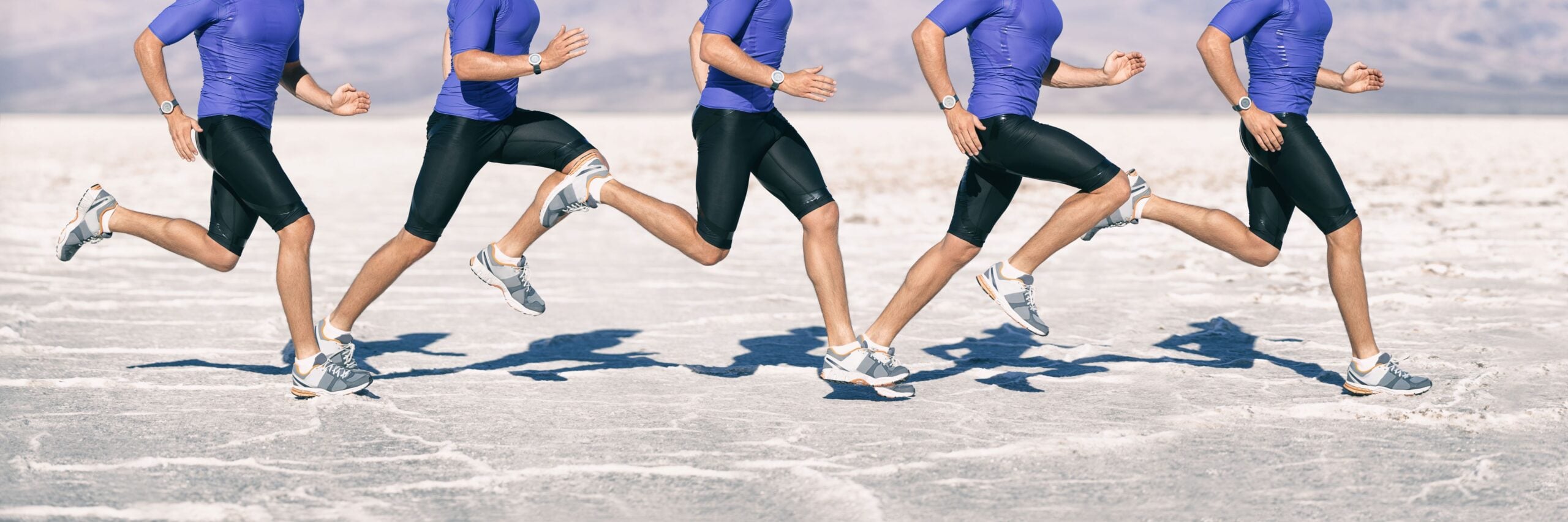
For some individuals, small adjustments may help redistribute load during rehabilitation. For example, gently increasing cadence (steps per minute) may reduce stress on certain tissues by changing how forces are absorbed during running.
Any changes are introduced carefully and alongside appropriate rehabilitation. The goal is not to completely rebuild the way someone moves, but to find strategies that support recovery and allow the body to gradually tolerate more.
At the end of your assessment, we will discuss all findings with you and work together on an individual management plan. This may include rehabilitation exercises, Strength and Conditioning support, training modifications, running technique advice, footwear recommendations, orthotic consideration (where appropriate), alongside collaborative care with members of our multidisciplinary team
Rather than leaving you with a list of things to “fix”, gait analysis should ultimately provide you with a toolbox of strategies to better understand your injury and support your recovery.
What Does the Evidence Support?
Gait analysis has been previously marketed as a way of finding flaws that need correcting, but modern research presents a much more balanced picture. There is no universally “perfect” way to run. Successful athletes display a wide range of running styles, foot postures and stride characteristics. Variation is normal, and differences in technique do not automatically increase injury risk.
Instead of searching for an ideal movement pattern, clinicians focus on whether certain mechanics may be contributing to increased stress on specific tissues.
The principle of load management sits at the heart of modern sports medicine. Changing movement does not eliminate force; it simply transfers it elsewhere. Gait retraining should always be introduced gradually and alongside progressive strengthening, allowing tissues to adapt safely.
To summarise, gait analysis helps answer practical clinical questions, such as:
- Are certain movement patterns increasing stress on an injured tissue?
- Have compensatory movements developed because of pain, weakness or reduced mobility?
- Would modifying technique help reduce symptoms during rehabilitation?
- Are there opportunities to improve movement efficiency without increasing injury risk?
The purpose of gait analysis is to better understand how your body currently moves and how that information can support your goals.
Who Benefits Most from Gait Analysis?
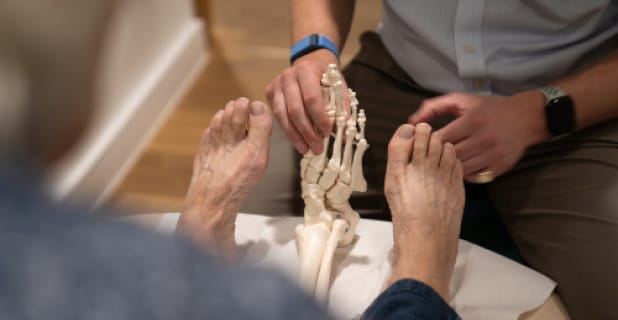
While gait analysis is often associated with elite athletes and competitive runners, it can be useful for many different people. Those who may benefit include people experiencing persistent foot pain, anterior knee pain, shin pain, recurrent running injuries, ongoing lower-limb discomfort, or difficulty returning to sport after injury.
It can also be valuable for recreational runners, walkers experiencing persistent symptoms and athletes looking to better understand their movement.
As Alex explains: “Many injuries are influenced just as much by factors outside biomechanics. These include rapid increases in training volume, inadequate recovery, poor sleep, high stress levels, previous injuries, or overall tissue capacity that can impact your gait.”
“Someone with excellent running mechanics can still develop an overuse injury if their training load exceeds what their tissues can tolerate. Conversely, another runner with noticeably unusual biomechanics may remain pain-free because their body has adapted successfully over time.”
Should You Worry About Pronation?
Few topics generate as much discussion in running as pronation! For years, runners were often told that “overpronation” was something that needed correcting. However, clinical practice has become far more cautious about using pronation alone to explain injury.
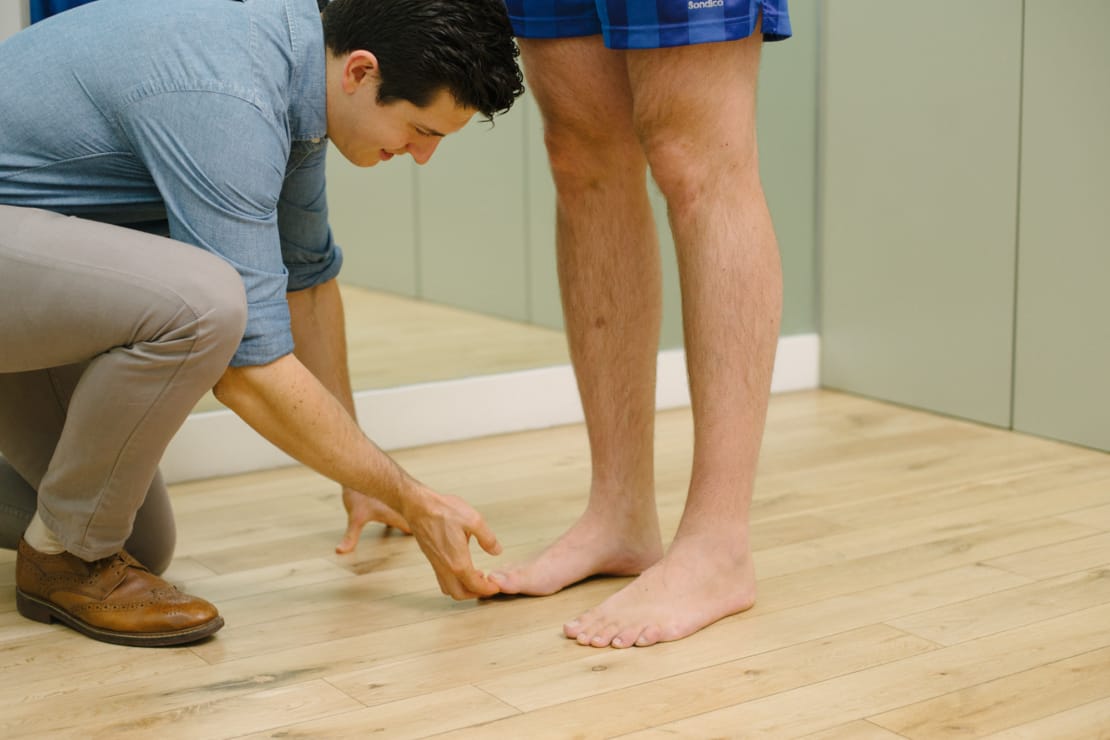
Pronation is a normal part of walking and running, and describes a combination of movements within the foot, including ankle dorsiflexion, subtalar eversion and forefoot abduction. These movements allow the foot to adapt to the ground and help absorb forces during activity.
Without pronation, the foot would be far less effective at adapting and absorbing load.
The key point is that pronation itself is not a major concern.
“There isn’t a universally accepted threshold that defines overpronation,” says Alex. “Many successful athletes have naturally flatter feet, demonstrate significant pronation and remain injury-free throughout their careers. Equally, someone with a relatively neutral foot posture may still develop running-related pain because of factors such as training load, muscle weakness or inadequate recovery.”
“Modern gait analysis looks beyond labels such as “neutral”, “overpronator” or “supinator”. Instead, we consider the position and function of the foot within the context of our patient’s symptoms.”
In other words, the question isn’t whether you pronate – the more important question is whether your movement pattern appears to be contributing to your current symptoms.
Is There a Perfect Running Gait?
The short answer is no.
The goal is not to make everyone run in the same way. It is to help each individual move efficiently within the limits of their own anatomy, strength and sporting demands.
An individual’s height, limb length, joint mobility, strength, previous injuries, training history and sporting background all influence movement.
Rather than completely rebuilding someone’s running technique, clinicians may introduce small, carefully selected changes designed to reduce stress on an injured structure while rehabilitation improves tissue capacity.
That’s why gait retraining should always be combined with appropriate strengthening and progressive return to activity.
How Important is Footwear?
At Pure Sports Medicine, footwear is considered one tool within a wider treatment approach.
For example:
- Someone managing Achilles tendinopathy may benefit from a shoe with a higher heel-to-toe drop, which can reduce strain on the Achilles tendon during running.
- A rocker sole or increased stack height may help reduce loading through certain areas of the foot and make running more comfortable for some individuals.
However, these recommendations are always personal.
The shoe that works well for one runner may not be appropriate for another with a different injury, anatomy or movement profile.
Rather than searching for the “best” running shoe, our clinicians aim to identify footwear that complements your body, supports your rehabilitation and helps you continue the activities you enjoy.
Where Do Orthotics Fit In?
Orthotics are often closely associated with gait analysis, but they are not routinely prescribed.
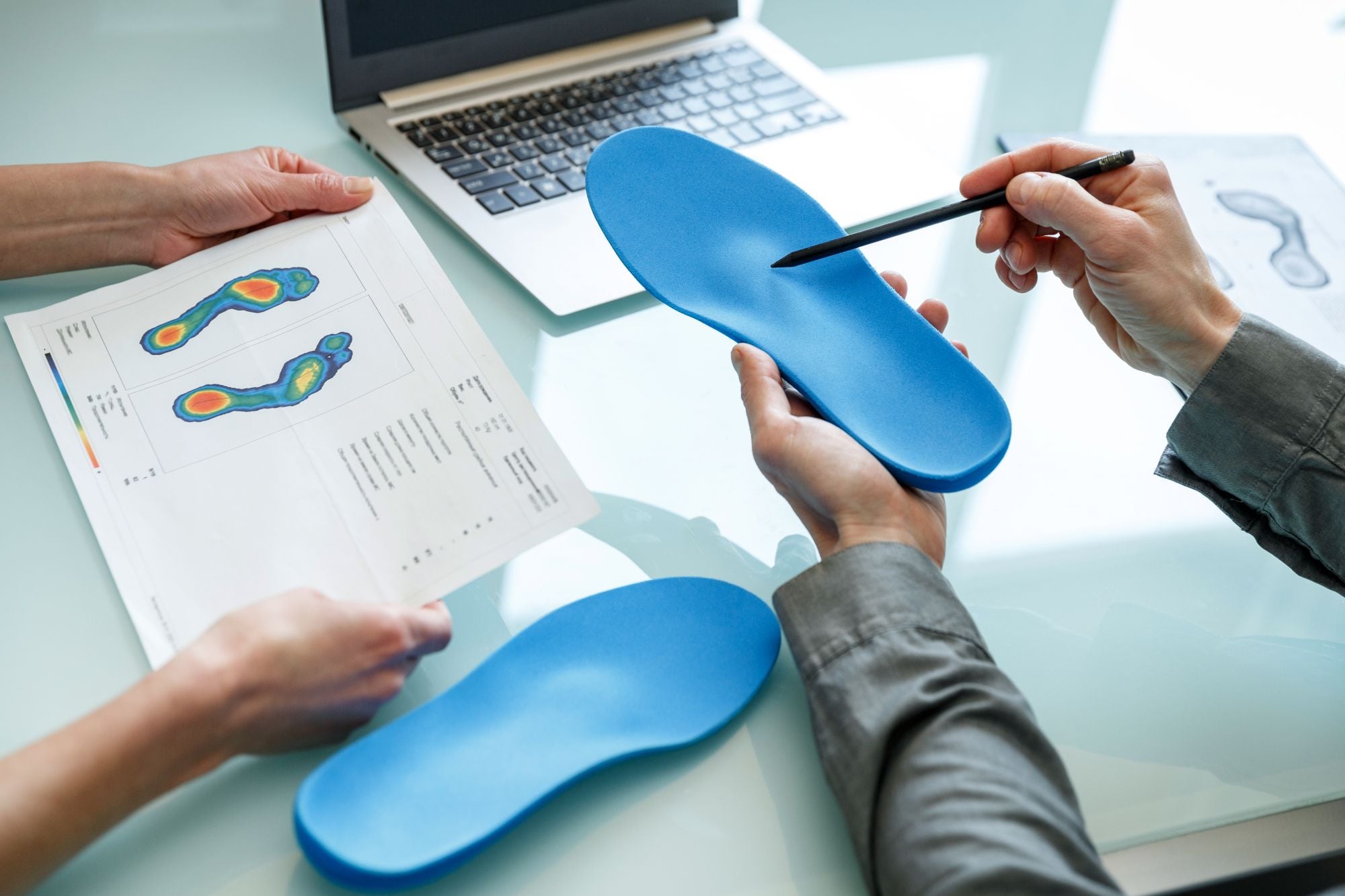
Alex explains that footwear, Physiotherapy, mobility and strength work are all frequently explored via the multidisciplinary team before orthotic devices are introduced. This integrated approach allows our clinicians to address both the symptoms you are experiencing and the factors that may have contributed to them.
When orthotics are recommended, they are used to help modify loading through particular tissues rather than permanently “correct” foot posture. Just as importantly, they should never replace rehabilitation.
“Long-term improvement comes from increasing what your body can tolerate through progressive strengthening and recovery, not relying solely on external support,” he adds.
Key Takeaways
At Pure Sports Medicine, we take a personalised approach to understanding how your walking or running mechanics relate to your symptoms, physical capacity, training history and goals.
Clinical gait analysis provides valuable insight into the movement patterns and loading strategies that may be contributing to pain or injury. When combined with a comprehensive clinical assessment, it helps guide rehabilitation, inform footwear and exercise recommendations, and support a safe return to sport or everyday activity.
Rather than comparing your movement to an idealised model, we interpret it within the context of your individual anatomy, lifestyle and objectives. This ensures that any recommendations are relevant, practical and tailored to you.
Ultimately, successful injury management is rarely the result of a single intervention. The best outcomes come from combining an accurate diagnosis, targeted rehabilitation, sensible load management and, where appropriate, gait analysis to help you recover confidently and keep doing the activities you enjoy.
Get in touch today and find out how our dedicated Podiatry team can help you reach your goals today.
Related Posts



Advice
Over the last 20+ years our experts have helped more than 100,000 patients, but we don’t stop there. We also like to share our knowledge and insight to help people lead healthier lives, and here you will find our extensive library of advice on a variety of topics to help you do the same.
OUR ADVICE HUBS See all Advice Hubs