


Exercise & Endometriosis: Tips to Stay Active & Manage Pain

Claire Small
Chief Clinical Officer & Consultant Physiotherapist
- 6 February, 2025
- Women's Health
- Exercise
- 7 min read
Exercise & Endometriosis: Tips to Stay Active & Manage Pain
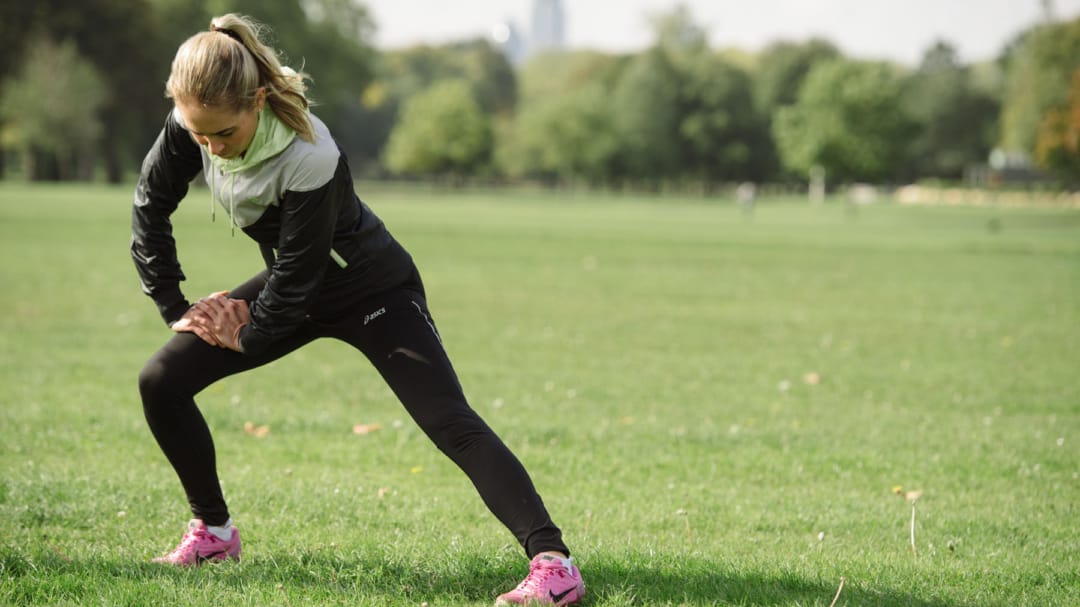
Did you know that 15% of women worldwide have endometriosis? Endometriosis is a chronic condition that affects 1 in 10 women globally, yet it remains one of the most frequently undiagnosed gynaecological disorders.
With most women reporting 7.5 years before receiving a diagnosis, living with endometriosis can be a challenge to complete regular daily tasks. Symptoms such as heavy, painful periods, pain around ovulation, fatigue, and pain with intercourse are the most common signs to look out for. Endometriosis is often due to the growth of endometrial tissue outside of the uterus, around the bladder, bowel and other organs.
Those with these symptoms can often feel a little overwhelmed, but staying active under the guidance of a pelvic health physiotherapist is an effective way to alleviate pain, boost mental health, and help those regain control of the condition. At Pure Sports Medicine, we understand how crucial a tailored approach to exercise and care is for managing endometriosis, and we’re here to guide you every step of the way.
‘Each month, there are contractions of the uterus to shed its lining, resulting in a period. Often, when this is painful, it can lead to sensitisation of the surrounding tissues, including the abdominal muscles and pelvic floor. To reengage these muscles and help reduce pain, NICE guidelines recommend an exercise assessment followed by a program to retrain the muscles.’
– Aisling Freir, Head of Women’s Health
The importance of physical activity
Physical activity has emerged as a healthy tool for managing endometriosis symptoms. From reducing inflammation, improving circulation, and alleviating pain, all without exacerbating symptoms, regular exercise, such as walking, swimming, or cycling, can be an early way to help women improve their physical health while managing their symptoms.
Research has consistently shown the benefits of exercise for endometriosis:
- Pain Reduction: Women who exercise regularly report reduced pain intensity, including reduced menstrual discomfort.
- Improved Wellbeing: Exercise promotes better mood, lowered stress levels, and reduced anxiety, all of which can positively affect pain management.
- Social Benefits: Group activities or community-based sports encourage connection and reduce the isolation often associated with chronic illness.
‘According to Frawley and Petterson et al. (2021), having pain for a long period of time in the pelvic region for people with endometriosis can be a barrier to reengaging in exercise. Understanding the mechanisms of pain and what exercise is right for you is imperative with endometriosis and should be done under the care and guidance of a pelvic health physiotherapist. This can allow you to re-engage with the activities that you want to do.’
– Aisling Frier, Head of Women’s Health
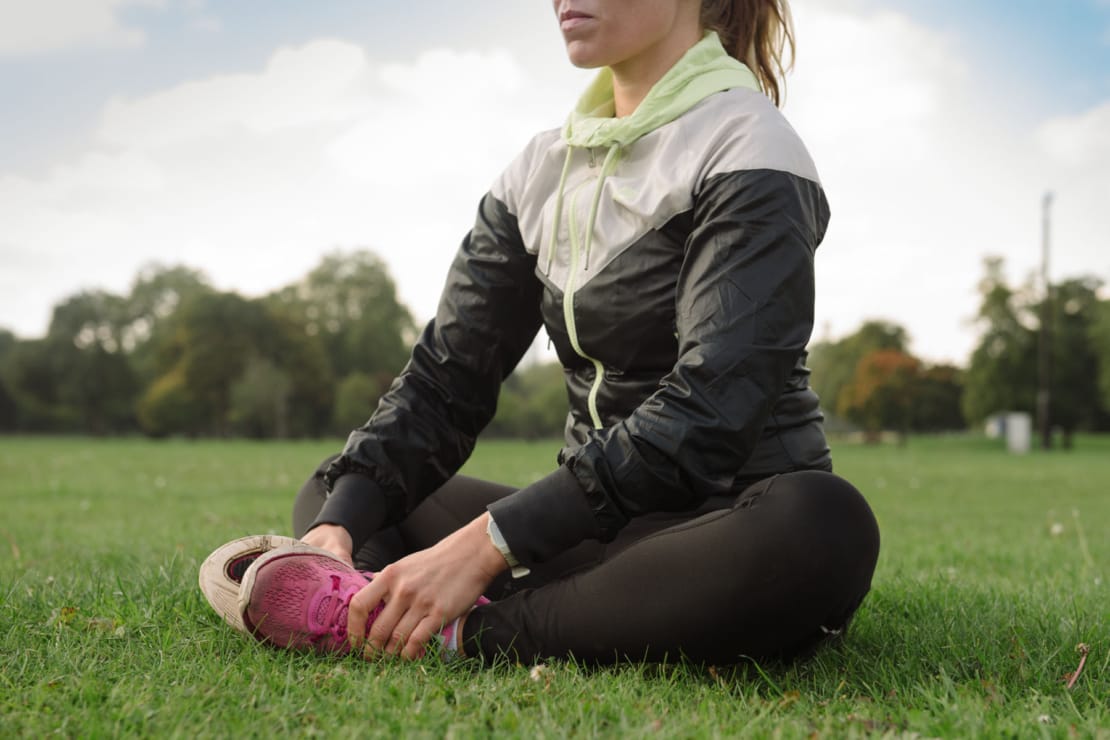
Tips for staying active
The symptoms of endometriosis can have an impact on your exercise routine. They can even make you walk away from a sport you once loved, and that brought you a lot of joy and movement to your life.
The good news is that all is not lost. There are ways to manage endometriosis symptoms so that you can continue to exercise and reap all the benefits that movement brings.
These tips will guide you through the various challenges and decisions you may face, offering practical advice and emotional support to keep you motivated as you navigate your endometriosis journey.
1. Choose activities you enjoy
Low-impact exercises, such as yoga and Pilates and be particularly effective for managing pelvic pain symptoms. Our team will help to guide you in this journey to advise if this is the best strategy for you. Our aim is to enable women to feel more in control of their condition, giving them the strategies to self-manage long term.
Additionally, physical activity, whether aerobic or strength-based, plays a vital role in reducing these challenges. Research shows that regular exercise can lower pain intensity, enhance overall wellbeing, and decrease the need for pain medications. Exercise has a positive impact by reducing stress, anxiety, and depression, higher rates of which are reported in patients with endometriosis and pelvic pain.
2. Create a flexible routine
Building a flexible schedule around your energy and pain patterns is key to managing your endometriosis symptoms to ensure long-term viability.
The best exercise is ultimately the one you’ll stick with, so start with something you genuinely like or are interested in. For those with endometriosis, Harriet’s advice within the blog ‘How to Train Around Your Menstrual Cycle’, would be to begin with breath work, yoga/Pilates and some gentle non-impact cardio for 10-15 minutes. Assess how the body responds and build from there.
3. Join a community group
Exercising with others and joining a group can provide motivation and foster a sense of belonging. Sharing experiences and fostering solidarity can also help to reduce feelings of isolation, often associated with this invisible illness. For example, Endometriosis UK offers guidance and support groups to help with this.
4. Nutrition and Lifestyle
Enhancing overall wellbeing and effectively managing endometriosis symptoms hinges greatly on prioritising an anti-inflammatory diet, rich in fruits, vegetables, whole grains, and omega-3 fatty acids, which have all been found to help alleviate symptoms; while steering clear of triggers such as caffeine and alcohol can play a key role in mitigating existing symptoms.
While bloating and cramping are also common symptoms of endometriosis, continuously drink from 5-6 glasses of water to reduce the risk of dehydration. Establishing a consistent sleep routine, creating a positive sleep environment, and practising relaxation techniques before bedtime also ensures providing needed rest.
5. A Multidisciplinary Approach
Living with endometriosis can feel overwhelming, but you don’t have to face it alone. With the right support and a tailored exercise plan, it’s possible to manage symptoms and improve your overall wellbeing.
We’re here to provide expert guidance, personalised care, and an understanding and friendly team. That’s why we offer a comprehensive range of services tailored to your needs, including physiotherapy to address pain and improve mobility, Pilates and strength and conditioning training to build core strength, Sports and Exercise Medicine, as well as individualised plans to help you stay active and empowered.
Low-Impact Exercises to Alleviate Endometriosis Pain
When experiencing the symptoms of endometriosis, it can make exercise more challenging; sometimes, it can feel simply impossible.
As a result of the painful symptoms associated with endometriosis, the muscles of the stomach and pelvic floor can feel contracted and overworked, so here are a few simple exercises to help relieve that.
Try 10 breaths in each position. Every time we breathe in, our pelvic floor should relax, allowing the muscles to lengthen and fill the lungs with air. Every time we breathe out, our pelvic floor should naturally rise. We are trying to build awareness of what is going on in the body, so don’t worry if you feel you are disconnected. If we have had pain in an area, it is often hard to reconnect with those muscles, and it can take time. Take it one breath at a time.
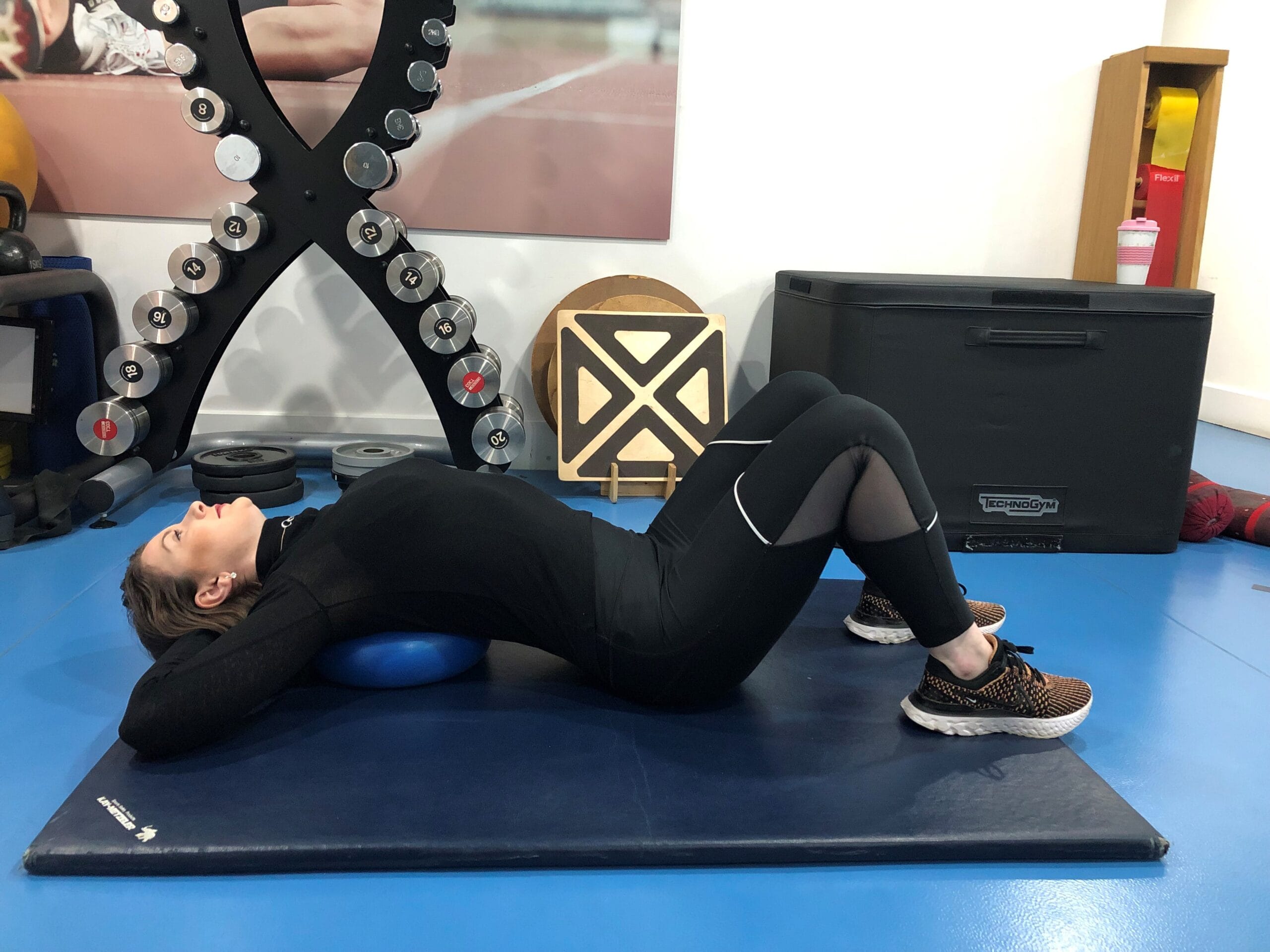
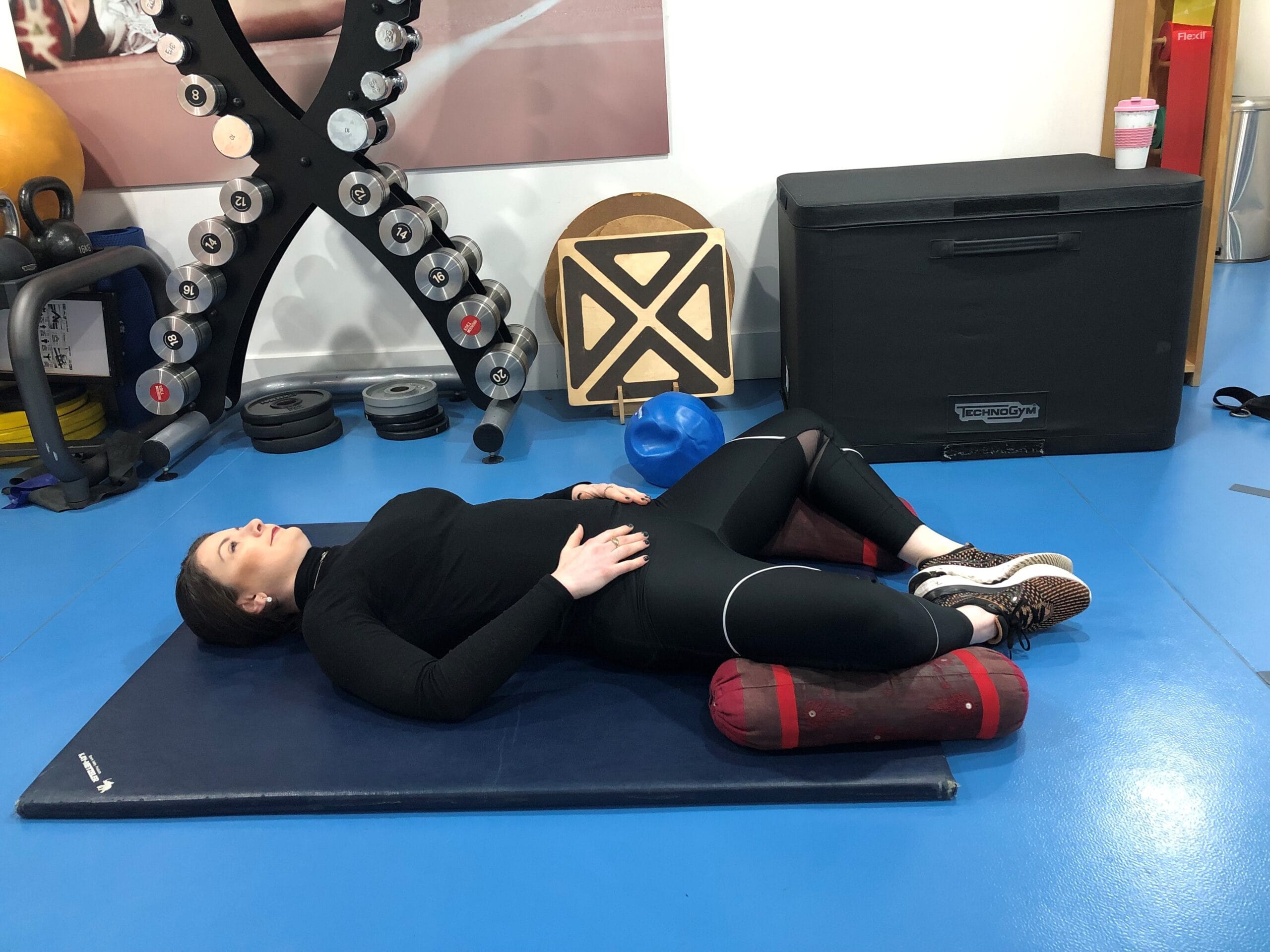
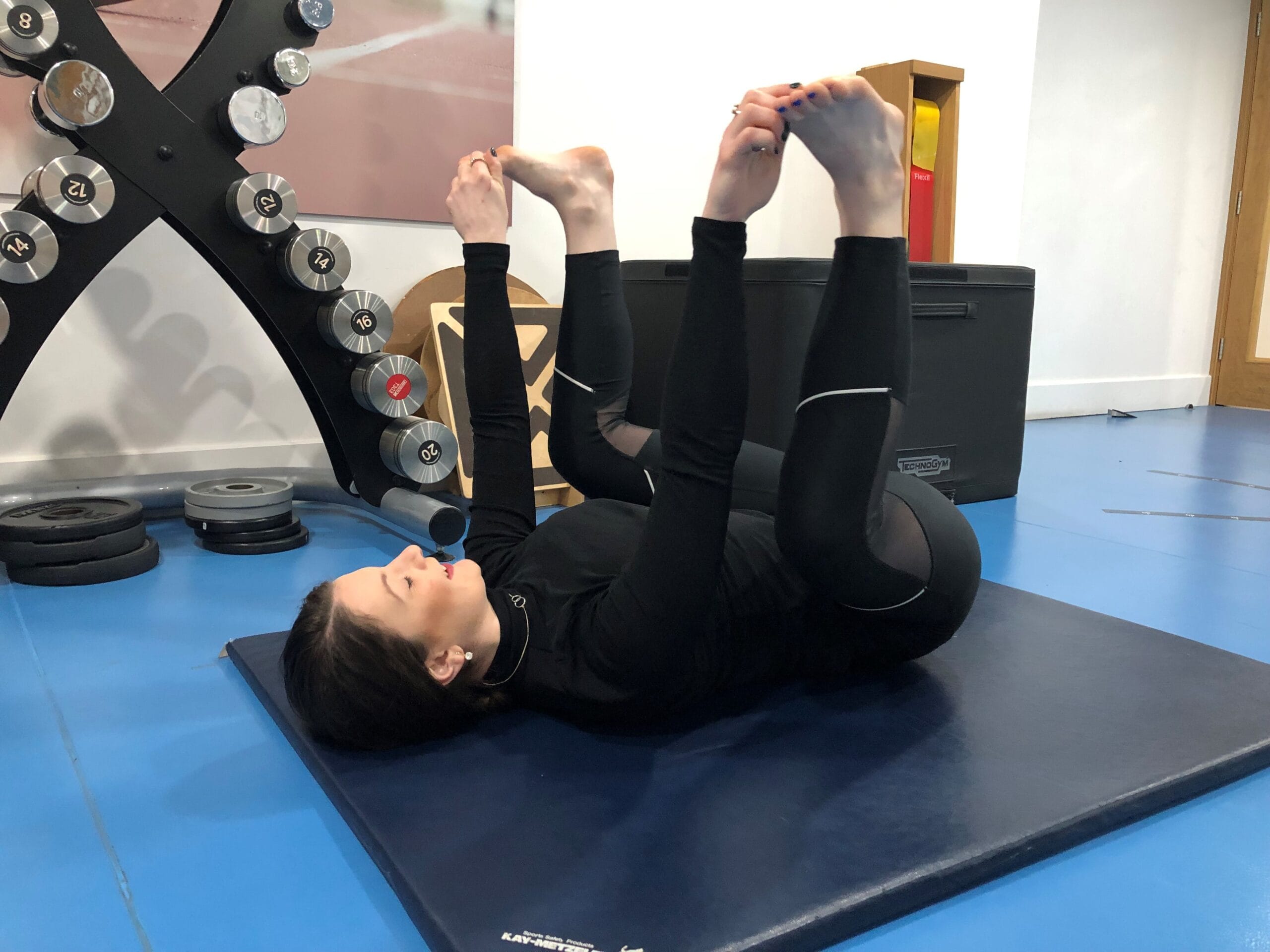
Please note that if your symptoms are in a state of high irritability, it is best to consult your Women’s Health Specialist, Physiotherapist or Consultant first in terms of how to best manage these symptoms through nutrition, physiotherapy, soft tissue therapy and pain medication.
FAQs
What forms of exercise are good for treating the symptoms of endometriosis?
There are no specific exercises in the literature that are known to help endometriosis symptoms, and similarly, there is minimal scientific literature evidence that exercise changes pain symptoms. Having said that, we know that exercise is good for mood and a reduction in stress and feelings of mental and physical wellbeing, which is really important in endometriosis because it can be such a debilitating condition.
Is running a good form of exercise for treating the symptoms of endometriosis, and if so, why?
Although running is not specifically known to be ‘good’ for treating the symptoms of endometriosis specifically, we know that it can very much help people with their physical and mental health, not least because it can be easy to fit into your day, can get you outside into natural spaces, and can be a chance to meet people who also love running with whom you can build relationships and share problems. These simple things should not be diminished in value. Humans are better together (especially when running!).
We also know that it can be beneficial to some degree because it reduces the inflammatory levels in the body by increasing cardiovascular exercise. However, we recommend running during the weeks around your period.
When, how often and to what intensity should such exercises be undertaken?
Women struggling with symptoms of endometriosis should be encouraged to listen to their bodies and learn what works for them.
There is no prescribed program specifically for endometriosis; however, as endometriosis is a predominantly pelvic pain problem (sometimes also back and hip), it is certainly worth focusing on strength and control around the torso and lumbopelvic region (trunk, back, pelvis and hips). This will make you a stronger runner regardless of other symptoms, and it makes sense even if the written scientific evidence is currently lacking.
How & why is exercise effective in treating the symptoms of endometriosis?
We don’t have evidence of exercise being effective, unfortunately. The studies available thus far are not of high enough quality to draw any conclusions.
I think all we can say is that exercise is really important for health and well-being, and as above, that effect should not be diminished. Being fit and strong can help women face other health issues with more resilience and can empower women to be more mindful of the strength of their own bodies, which allows them to feel like they are in more control and have greater self-efficacy.
Are there any situations when you shouldn’t exercise?
Endometriosis, for the most part, should not preclude women from exercising, but there will be times when symptoms limit their ability or desire to be active.
Because women with endometriosis have such a wide variety of symptoms, exercise may often need to be tailored from person to person, but also from day to day or week to week for that particular person. For this reason, it can sometimes be helpful to seek assistance from a women’s health sports clinic for support and guidance, not least because it may be that you can do more than you think, and sometimes it only takes some encouragement and empowerment to help women to be more active and make positive changes that can help them deal with their symptoms.
The last thing to say is that we need more research in this area; exercise is a powerful tool for good, and given that endometriosis can be challenging to treat, the more tools we have to help women with their symptoms, the better.
nutri
Related Posts


Advice
Over the last 20+ years our experts have helped more than 100,000 patients, but we don’t stop there. We also like to share our knowledge and insight to help people lead healthier lives, and here you will find our extensive library of advice on a variety of topics to help you do the same.
OUR ADVICE HUBS See all Advice Hubs